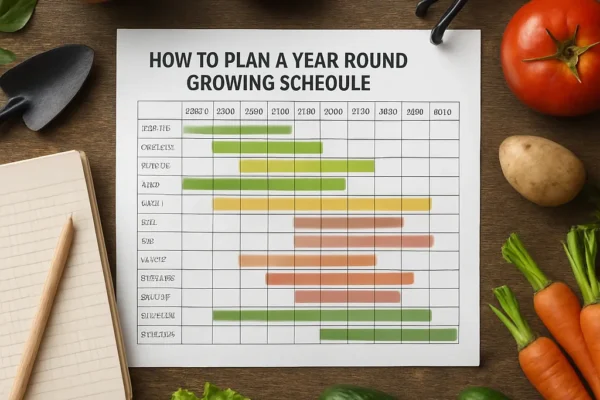





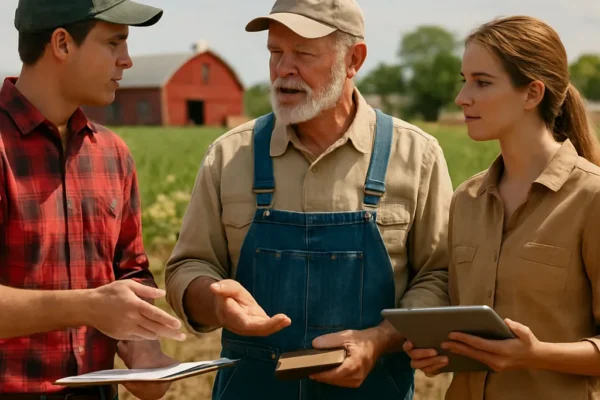

How to Plan a Year-Round Growing Schedule
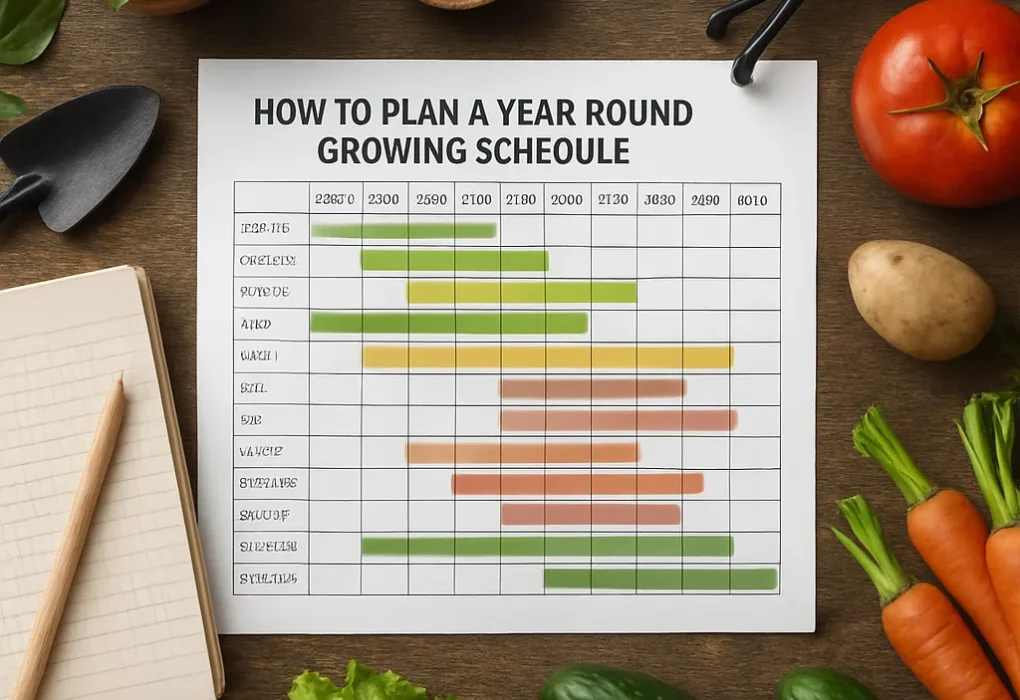
Establishing an effective year-round growing schedule requires attention to climatic changes, resource availability, and crop requirements. A well-designed plan aligns planting dates, harvesting windows, and environmental controls to maximize productivity and ensure consistent yields. By incorporating principles of sustainability and…

The Benefits of Urban-Rural Farm Partnerships
Urban-rural farm partnerships have emerged as a powerful model to bridge the gap between city dwellers and agricultural producers. By fostering collaboration, these alliances unlock a range of **sustainability**, **innovation**, and mutually beneficial opportunities. This article explores the multifaceted advantages…

How to Create a Soil Carbon Monitoring Plan
Creating an effective soil carbon monitoring plan is essential for modern growers seeking to enhance soil health, increase farm resilience and contribute to climate mitigation. A systematic approach to measuring and documenting changes in soil organic carbon levels enables producers…
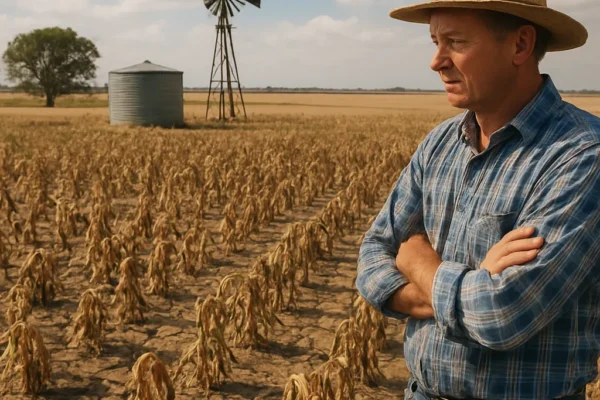
How to Manage Drought Conditions on the Farm
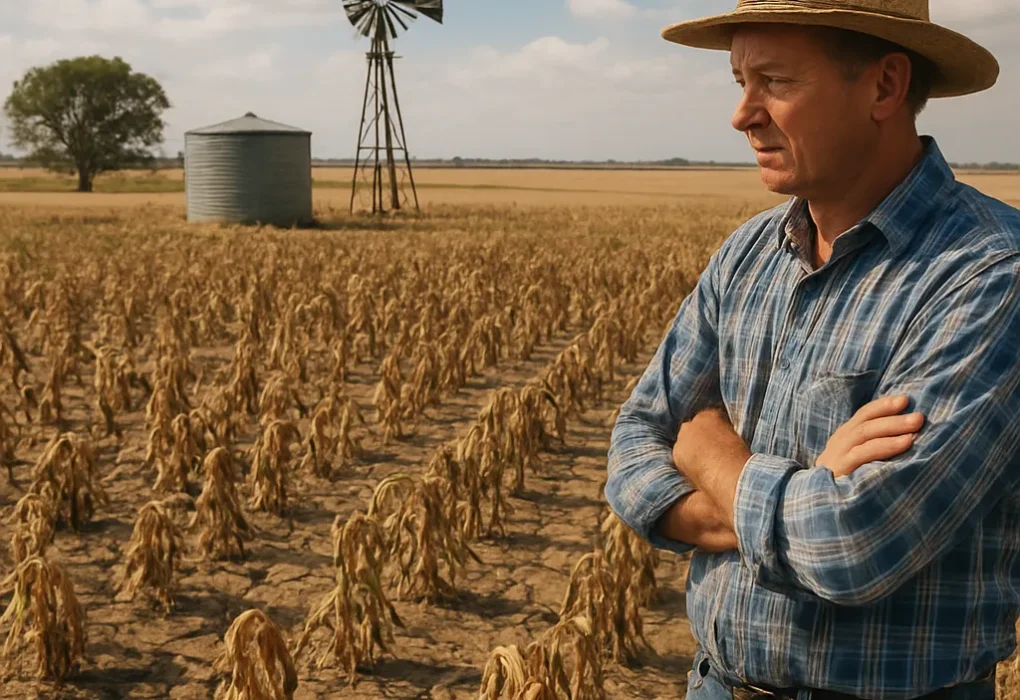
Farming communities worldwide face mounting challenges as extended dry spells threaten crop yields and livestock health. Farmers must adopt proactive strategies to safeguard their operations, ensuring long-term resilience despite unpredictable weather patterns. By combining traditional practices with modern innovations, it…

How to Grow Herbs for Essential Oils
Producing high-quality essential oils begins with careful planning and attention to detail. A successful herb farm blends sound cultivation practices with precise timing to maximize yield and potency. Whether you are growing lavender for its calming aroma or peppermint for…

Best Practices for Farm Waste Recycling
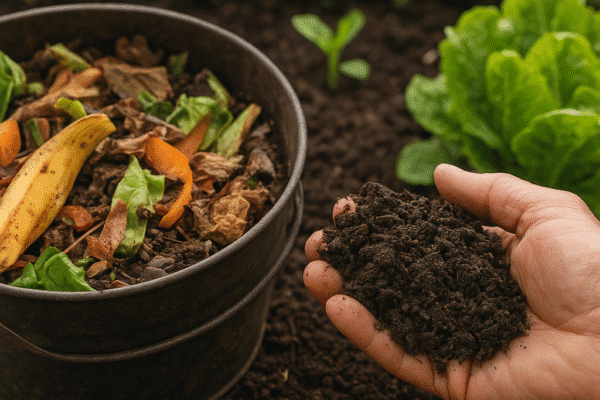
Effective farm waste recycling transforms byproducts into valuable resources, enhancing both environmental protection and economic resilience. Integrating sound strategies into daily operations not only reduces disposal costs but also boosts soil health and fosters a circular economy model across agricultural…

How to Start a Farm Podcast or Newsletter
Embarking on the journey to share rural expertise and farm-to-table stories through audio or written formats can be as rewarding as cultivating a thriving field. Whether you choose to launch a podcast that resonates through headphones or a newsletter landing…
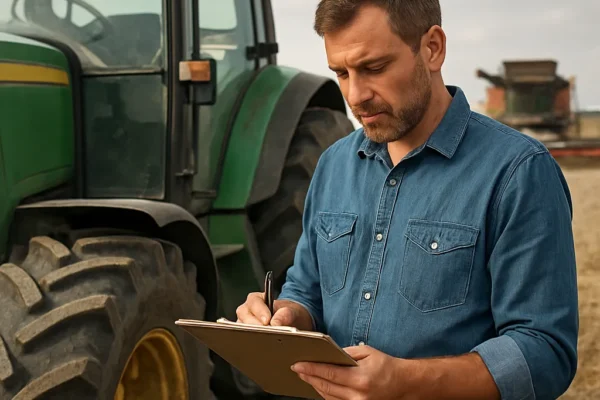
The Importance of Maintaining Farm Equipment Logs
Proper farm operations rely heavily on systematic equipment monitoring and comprehensive log-keeping. Farmers who prioritize meticulous documentation of every repair, inspection, and usage detail can significantly boost overall productivity and reduce unforeseen costs. Such practices are vital for optimizing workflows,…

How to Build a Natural Windbreak System
Creating a natural windbreak system is an investment in the long-term health of your farm. By integrating rows of carefully chosen trees, shrubs, and other vegetation, you can reduce wind speed, limit soil erosion, and improve the overall productivity of…
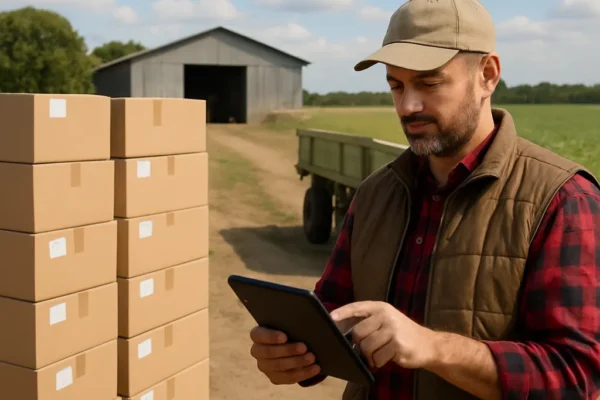
How to Manage Farm Supply Chains Efficiently
Efficient farm supply chain management plays a pivotal role in ensuring that agricultural products move seamlessly from fields to consumers. Integrating modern strategies and adopting best practices can significantly improve **productivity**, reduce **waste**, and boost **profitability** for farmers, distributors, and…