Across diverse agricultural landscapes, protecting sensitive plants from unexpected freezes is a critical challenge for farmers. Frost events can inflict severe damage on young seedlings, blossoming fruit trees, and tender vegetable crops, leading to significant yield losses and financial setbacks. By understanding the science behind frost formation, implementing targeted preventative measures, and employing both passive and active protection techniques, growers can safeguard their precious harvests and maintain consistent production levels.
Understanding Frost Formation and Risks
Frost occurs when air temperatures drop near or below the freezing point, causing water vapor in the atmosphere to crystallize on exposed surfaces. Two primary types of frost are common in agricultural settings:
- Radiation frost: Forms on clear, calm nights when heat radiates away from soil and plants into the sky, allowing surface temperatures to fall rapidly.
- Advection frost: Results from a cold air mass moving into a region, lowering ambient temperatures over a broader area.
Key factors influencing frost development include:
- Clear skies and low wind speeds, which facilitate heat loss.
- High relative humidity, increasing moisture available for ice formation.
- Local topography, where low-lying areas or frost pockets accumulate colder air.
Understanding these variables enables growers to anticipate high-risk conditions and plan appropriate interventions. Continuous monitoring of weather patterns and microclimates within fields is essential for timely response.
Pre-Planting Strategies
Implementing frost-resilient practices before sowing or transplanting lays a solid foundation for reducing vulnerability. Early decisions on site selection, crop varieties, and field layout can have long-term benefits.
Selecting Cold-Hardy Varieties
Cultivar choice is one of the most cost-effective defenses. Many seed companies now offer frost-resistant or cold-tolerant lines bred for later-than-average spring frosts or early fall chills. When evaluating varieties, consider:
- Minimum temperature tolerance ratings.
- Breeding history for regional adaptability.
- Growth stage timing in relation to typical frost dates.
Site Selection and Land Preparation
Topography and field design play crucial roles in microclimate management:
- Avoid planting in natural frost pockets such as valleys or draws where cold air settles.
- Implement raised beds to improve drainage and reduce frost intensity at the soil surface.
- Install hedgerows or windbreaks to moderate wind speed and temperature fluctuations.
Soil moisture also influences thermal properties: wet soils release more stored heat overnight than dry soils, providing a subtle heat buffer.
Active Frost Protection Methods
When frost threatens, active interventions can make the difference between crop survival and overwhelming losses. These methods require investment in equipment or labor but can be highly effective.
Use of Frost Fans and Heaters
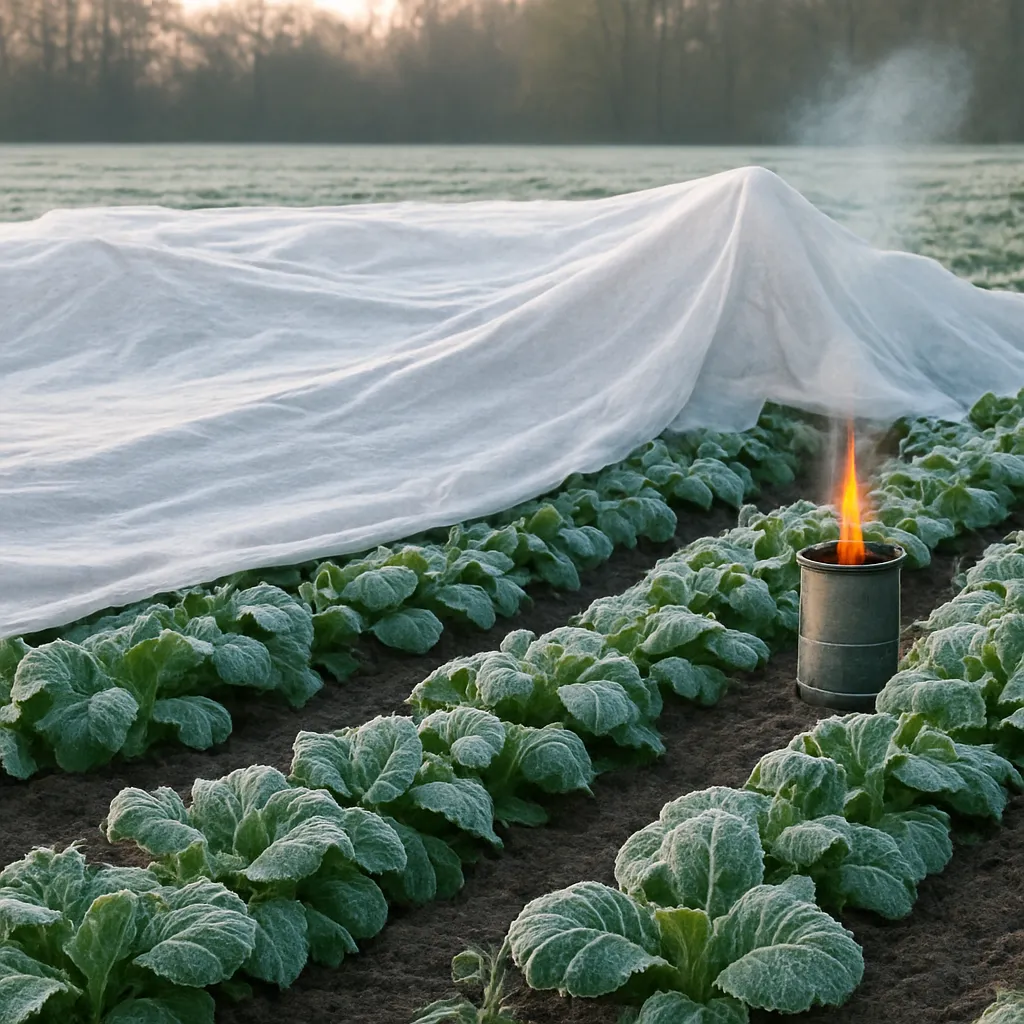
Frost fans, or orchard wind machines, circulate warmer air from above down to canopy level, preventing temperature inversion near the ground. Heaters—ranging from portable propane units to permanent orchard heaters—directly increase ambient temperature. Best practices include:
- Positioning fans strategically to cover the most vulnerable areas.
- Ensuring adequate fuel supply for continuous operation through the frost event.
- Routine maintenance of heaters and fans to guarantee reliable start-up.
Irrigation Techniques
Water application can protect flowers and buds through the release of latent heat as water transitions to ice. Two common approaches are:
- Sprinkler irrigation: Evenly applies water during frost nights to maintain surface temperatures at or just above freezing.
- Micro-sprinklers or mist systems: Useful for high-value orchards and vineyards requiring precise water delivery.
Operators must monitor flow rates meticulously to avoid under- or over-application, which can exacerbate plant stress or waterlogging.
Passive Frost Protection Techniques
Passive methods demand less frequent labor and can be integrated into standard field operations. They focus on enhancing the overall resilience of the cropping system.
- Row covers: Lightweight fabrics draped over vegetables trap radiated heat and create a mini greenhouse effect.
- Mulches: Organic materials like straw or wood chips insulate soil and protect root zones from extreme temperature swings.
- High tunnels and hoop houses: Semi-permanent structures that moderate temperature and humidity without full-scale greenhouse investment.
While passive measures may not suffice during severe frost episodes, they raise the baseline temperature by a few degrees, often tipping the balance in favor of crop survival.
Monitoring and Forecasting Systems
Early warning is at the heart of effective frost management. Integrating real-time sensors with reliable weather forecasts allows for rapid decision-making:
- Field thermometers and electronic data loggers to capture soil and air temperatures at multiple heights.
- Remote sensing and satellite-based models to predict frost risk at regional scales.
- Smartphone apps linked to local meteorological stations for instant alerts.
Regular calibration of instruments ensures data accuracy. Combining local measurements with broader forecasts enhances confidence in the timing and severity of potential frost events.
Cost-Benefit Considerations and Best Practices
Every frost protection strategy must align with farm size, crop value, and budget constraints. Before investing in expensive machinery or labor-intensive methods, producers should conduct a thorough economic analysis:
- Estimate the potential financial losses from a frost event versus the cost of protection.
- Evaluate the lifespan and maintenance requirements of equipment like heaters and fans.
- Consider insurance products that cover weather-related crop losses as part of a diversified risk management plan.
Best practices for implementing an integrated frost protection program include:
- Developing a frost action plan that outlines clear roles, resource allocations, and activation triggers.
- Training farm staff in the setup, operation, and troubleshooting of protection systems.
- Documenting outcomes and costs to refine strategies over successive seasons.
By combining insulation, active heating, and robust monitoring, growers create layered defenses that greatly reduce the likelihood of significant crop losses due to frost.