Establishing an effective year-round growing schedule requires attention to climatic changes, resource availability, and crop requirements. A well-designed plan aligns planting dates, harvesting windows, and environmental controls to maximize productivity and ensure consistent yields. By incorporating principles of sustainability and water conservation into every stage, farmers can reduce waste, lower operating costs, and enhance long-term profitability. This article explores methods to develop a robust calendar that accommodates multiple planting cycles, integrates protective structures, and supports steady growth from winter through late autumn.
Seasonal Planning Principles
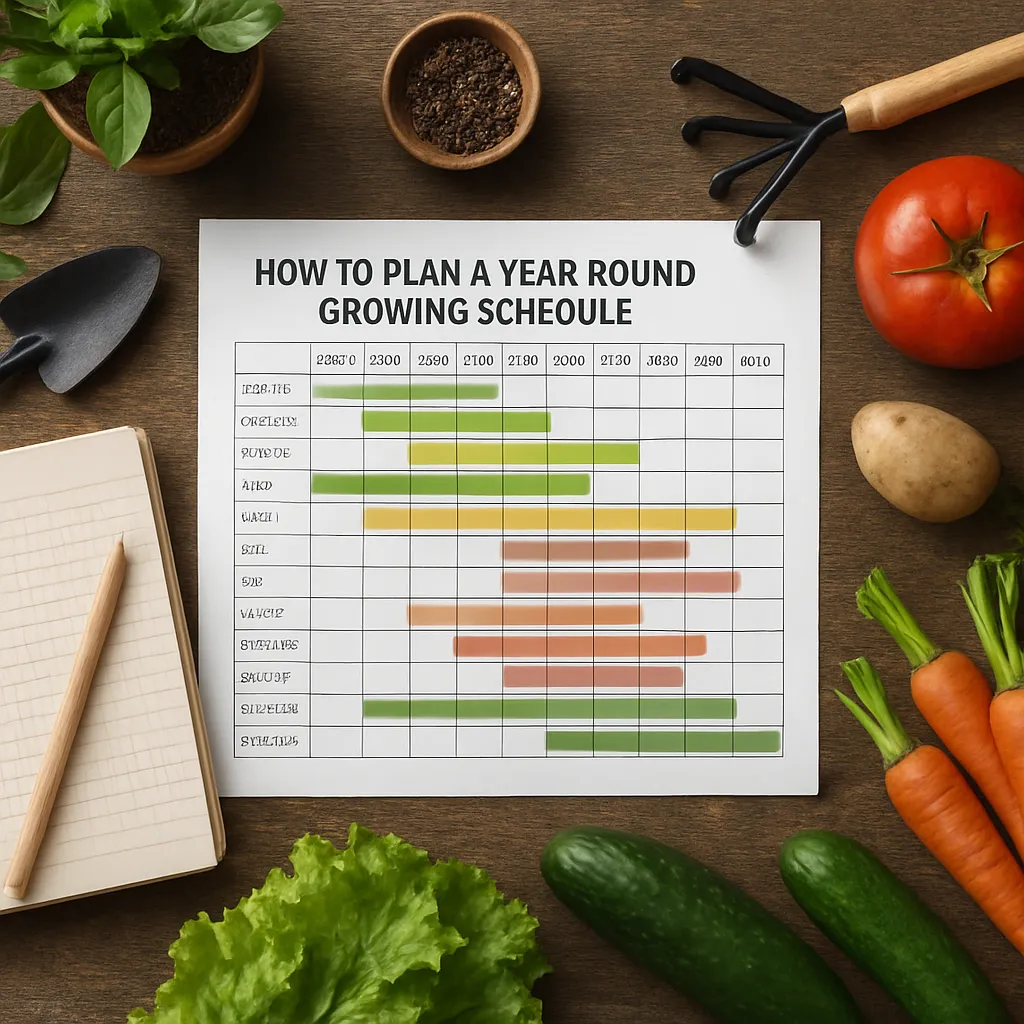
Success begins with mapping local weather patterns and frost dates. Tracking the first and last frost of each season informs ideal sowing and transplanting times. Early spring plantings benefit from hardening-off seedlings, while late-summer success demands fast-maturing varieties. Producers must maintain detailed records of past years’ outcomes to refine timing. Over 12 months, predictable transitions between cool-weather and warm-weather crops can be orchestrated, creating overlaps that minimize gaps in field activity and storage demands.
Incorporating crop rotation and cover cropping enhances resilience against disease and soil degradation. Alternating families such as brassicas, nightshades, and legumes prevents pathogen buildup and diversifies nutrient extraction. Cover crops like clover or rye planted during fallow periods capture residual nitrogen, curb erosion, and improve soil health. Strategic rotations also create planting windows: as one crop is harvested, the next can be direct-seeded or transplanted without significant downtime.
Understanding microclimates within a farm is vital. South-facing slopes, wind-protected valleys, and sheltered lowlands each exhibit unique temperature and moisture profiles. Microclimate management allows earlier planting in warmer niches and extends harvesting in cooler spots. Aligning field plots by their environmental characteristics supports a continuous flow of produce. Careful record-keeping of these zones, combined with weather station data, builds the foundation for informed scheduling year after year.
Implementing Crop Scheduling Techniques
Efficient scheduling relies on grouping crops by growth duration and environmental needs. Categorize plants into fast, medium, and slow maturities. Fast-growing greens like microgreens and radishes can fit snugly between longer-season staples such as tomatoes or peppers. This interplanting approach amplifies land use. Planning successive sowings every two to four weeks—known as succession planting—ensures a steady supply of fresh produce. By staggering dates, harvests overlap smoothly and workload spreads evenly.
Succession Planting and Relay Cropping
Relay cropping involves sowing one crop before the previous one finishes. For example, when early peas near the end of their yield, lettuce or beets can be direct-seeded between rows. This tactic demands keen observation: soil moisture, root competition, and canopy closure must all be balanced. Visual monitoring and simple tools like row covers or shade cloth help protect young seedlings from the shading effects of mature plants above.
Greenhouse Integration
Protected cultivation in a greenhouse or hoop house extends the growing window into cold months. Insulating walls, thermal mass (such as water barrels), and supplemental heating allow manipulation of internal temperatures. Ventilation and automated shading prevent overheating in spring. Planning greenhouse rotations means scheduling leafy greens and herbs through winter, followed by tomatoes and cucumbers as days lengthen. Maintenance downtime—cleaning, soil replacement, pest control—should also fit into the overall calendar.
- Pest management: schedule routine scouting and biological control introductions.
- Soil amendments: apply compost and lime during low-activity periods.
- Equipment checks: perform tractor and irrigation system maintenance between harvests.
- Marketing preparations: align planting dates with farmers’ markets and CSAs.
Maintaining records of sowing and harvesting dates, germination rates, and yields in each environment builds a reliable dataset. Analysis of this information informs future amendments, such as adjusting planting density or switching to shorter-season varieties. Continual refinement ensures that each new cycle performs better than the last.
Optimizing Infrastructure and Resources
Infrastructure choices play a pivotal role in maintaining productivity. Investing in rainwater catchment and drip irrigation systems supports water conservation and reduces dependence on municipal supplies. Drip lines placed near the root zone limit evaporation and lower disease pressure by keeping foliage dry. Automated timers and soil moisture sensors enable precise control, ensuring young transplants receive consistent hydration during critical establishment phases.
Field layout can enhance efficiency. Designing beds in standardized dimensions simplifies crop mapping and mechanization. Wide aisles accommodate equipment, while narrow beds maximize planting area. Incorporating access paths for wheelbarrows, carts, or small tractors speeds up planting and weeding tasks. Renewable energy sources—solar panels, wind turbines—can power irrigation pumps, lighting in cold frames, or electric tools, reducing long-term energy costs and carbon footprint.
Composting systems transform organic waste into a nutrient-rich amendment. Hot composting produces steady heat and kills weed seeds, while vermicomposting yields high levels of micronutrients and beneficial microbes. Integrating compost production into routine operations closes the loop on waste, supports nutrient cycling, and limits reliance on synthetic fertilizers. Scheduling regular yard waste collection and turning intervals keeps piles active year-round.
Maintaining Year-Round Productivity Through Monitoring
Constant observation is essential to adapt to unexpected weather events, pest outbreaks, or market demands. Implement a weekly checklist that covers plant health, soil moisture, nutrient status, and microclimate readings. Utilize simple tools like pH meters, infrared thermometers, and handheld weather stations. Integrating digital farm management software can streamline data recording. Alerts for frost risk or heat spikes enable timely deployment of row covers, frost fans, or shade cloth.
Implementing integrated pest management strategies early in the schedule prevents severe infestations later. Beneficial insects, trap crops, and physical barriers offer non-chemical controls that align well with continuous cropping systems. Regular sampling of leaves and soil fosters awareness of emerging threats. When treatments are necessary, choose targeted products that minimize residual effects on subsequent plantings and beneficial organisms.
Harvesting strategies must accompany planting plans. Scheduling multiple pickings for crops like leafy greens extends the window of availability. Tomatoes, peppers, and beans benefit from staggered pruning or selective harvesting to encourage new fruit set. Maintaining consistent labor allocation through careful job scheduling ensures the workforce can handle peak loads without overwhelming systems. Mapping peak harvest weeks and aligning them with storage or processing capacity prevents loss and improves quality.
By weaving these elements together—climate data, infrastructure optimization, crop sequencing, and diligent monitoring—farmers can enjoy reliable supplies and maximize land use. A well-crafted year-round growing schedule balances risk, promotes sustainability, and leverages every square foot to its fullest potential, making continuous production both practical and profitable.