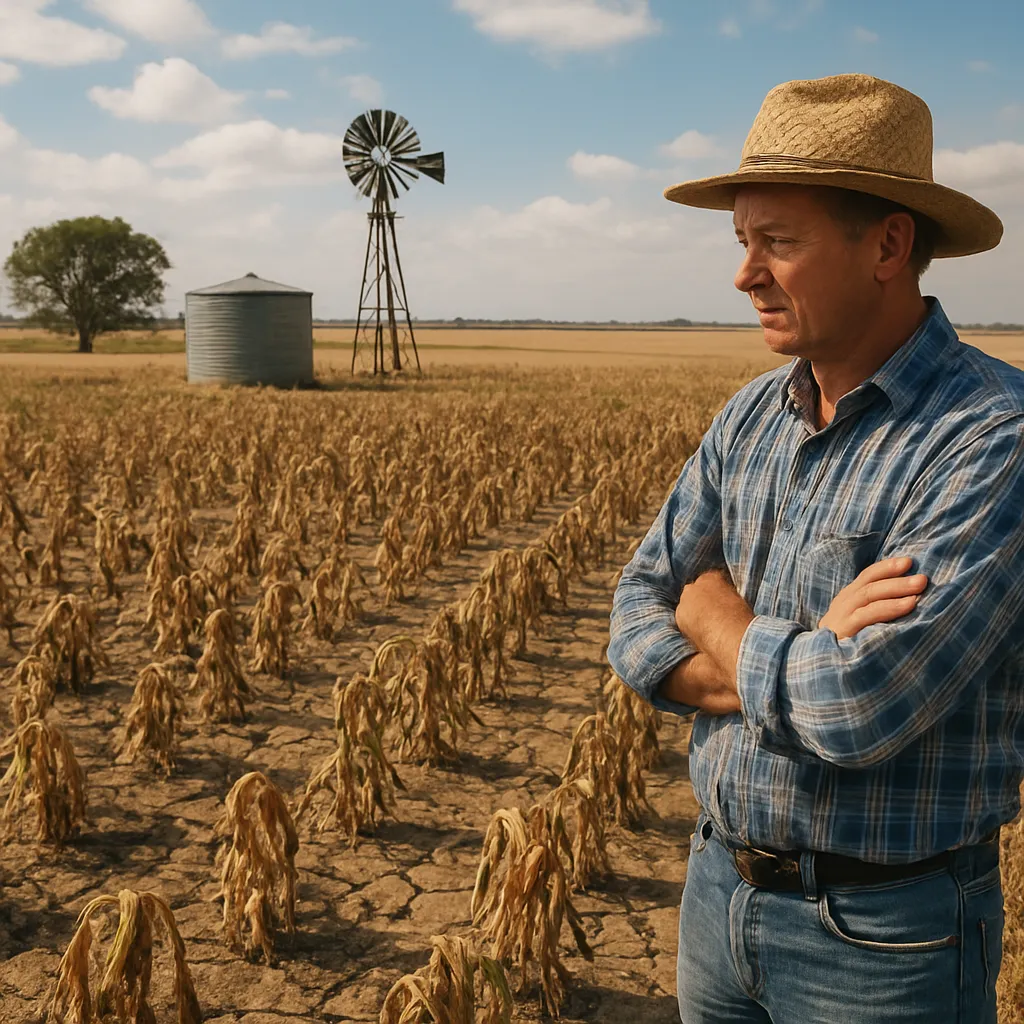
Urban-rural farm partnerships have emerged as a powerful model to bridge the gap between city dwellers and agricultural producers. By fostering collaboration, these alliances unlock a range of **sustainability**, **innovation**, and mutually beneficial opportunities. This article explores the multifaceted advantages of urban-rural farm partnerships, detailing the economic, environmental, and social gains alongside practical guidance for establishing successful collaborations.
Benefits for Urban Communities
As cities expand, residents face challenges such as limited access to fresh produce, food deserts, and a growing disconnect from the sources of their nourishment. Urban-rural farm partnerships address these issues through several key mechanisms:
- Access to Fresh Produce: Direct supply chains from rural farms guarantee a steady stream of nutrient-rich fruits, vegetables, and dairy products to urban markets, restaurants, and community centers.
- Educational Opportunities: By collaborating with rural growers, schools and local nonprofits can organize field trips, workshops, and internships that deepen agricultural literacy among city youth.
- Community Engagement: Farmers’ markets, pop-up stands, and cooperative buying clubs build stronger ties between urban residents and rural producers, elevating the sense of **community**.
- Health Outcomes: Improved access to farm-fresh goods is linked to better nutrition, reduced chronic disease rates, and overall enhanced well-being in urban neighborhoods.
Economic Advantages for Rural Farms
Rural producers benefit from reliable urban outlets and collaborative ventures that increase profitability and resource efficiency.
Stable Market Demand
Long-term agreements with city-based distributors, restaurants, and grocery co-ops enable farmers to plan production, invest in modern equipment, and reduce post-harvest waste. Predictable demand fosters **resilience** and mitigates price volatility that often plagues small-scale agriculture.
Value-Added Products
Partnerships frequently encourage the development of value-added items—such as artisanal cheeses, pickled vegetables, or specialty grains—enhancing revenue streams and showcasing local flavors to an urban clientele willing to pay a premium for quality.
Shared Resources and Expertise
Pooling logistical assets like refrigeration trucks, shared storage facilities, and joint marketing platforms lowers operational costs. Technical exchanges—for instance, urban designers advising on farm-to-table store layouts—inject fresh **innovation** into rural practices.
Environmental and Ecological Impacts
Urban-rural alliances yield significant environmental dividends by optimizing resource use and preserving biodiversity.
- Reduced Food Miles: Shorter transportation routes cut greenhouse gas emissions and energy consumption, contributing to a lower carbon footprint for every meal.
- Land Stewardship: Urban demand for sustainably grown produce encourages farmers to adopt regenerative methods—cover cropping, reduced tillage, and integrated pest management—that enhance soil health and conserve water.
- Habitat Conservation: Support for family-run operations often correlates with preserving small-scale landscapes rather than converting land into monoculture plantations, thus safeguarding **biodiversity**.
- Waste Reduction: Joint composting initiatives turn urban organic waste into valuable fertilizers, closing nutrient loops and reducing landfill burden.
Strengthening Social Fabric
Beyond economics and ecology, urban-rural farm partnerships cultivate social cohesion and empower diverse stakeholders.
Food Justice and Equity
By ensuring that underserved neighborhoods receive fair distribution of affordable, wholesome foods, these collaborations promote **cooperation** and address socioeconomic disparities in food access.
Cultural Exchange
City-based chefs, artists, and educators teaming up with rural producers facilitate a vibrant exchange of traditions—culinary festivals, farm art residencies, and harvest celebrations—that enrich cultural identity on both sides.
Skill Development
Training programs co-hosted by urban nonprofits and rural mentors equip participants with hands-on farming techniques, business management skills, and marketing know-how, boosting career pathways in the growing green economy.
Implementation Strategies for Effective Partnerships
Successful alliances require thoughtful planning and ongoing communication. The following strategies can guide stakeholders toward productive collaboration:
- Needs Assessment: Conduct surveys and community meetings to identify priority areas—whether it’s food security, educational outreach, or economic development.
- Partnership Models: Explore cooperative marketing, community-supported agriculture (CSA) shares, farm-to-institution contracts, or urban incubator farms to match objectives and capacities.
- Governance Structures: Establish clear roles, decision-making processes, and conflict resolution mechanisms to foster transparency and trust.
- Logistics Planning: Coordinate transportation, storage, and distribution networks, leveraging technology platforms for real-time tracking of inventory, orders, and delivery.
- Marketing and Branding: Craft compelling narratives that highlight the journey from rural field to city table. Engaging storytelling strengthens consumer loyalty and emphasizes product authenticity.
- Continuous Evaluation: Implement metrics to assess economic impact, environmental footprint, and social outcomes. Regular feedback loops help partners adapt strategies and scale successful initiatives.
Overcoming Challenges and Scaling Up
Despite numerous benefits, urban-rural farm partnerships face obstacles that must be proactively addressed:
- Infrastructure Gaps: Inadequate roads, cold storage, or processing facilities can impede efficiency. Joint investment plans and public-private funding schemes can fill these gaps.
- Regulatory Hurdles: Health codes, zoning laws, and licensing requirements differ across jurisdictions. Collaborative advocacy for policy reforms can harmonize regulations and simplify compliance.
- Trust Building: Cultural differences and misaligned expectations may strain relations. Regular site visits, transparent communication, and pilot projects lay the groundwork for strong partnerships.
- Financial Constraints: Small-scale farmers and urban nonprofits often operate on tight budgets. Microgrants, low-interest loans, and impact investors can provide the capital needed to launch and expand joint ventures.
Future Outlook and Innovations
The landscape of urban-rural farm partnerships continues to evolve, driven by emerging technologies and shifting consumer preferences:
- Digital Platforms: Mobile apps and blockchain tracking systems increase **productivity** and trust by offering transparency in provenance, quality control, and supply chain logistics.
- Vertical Integration: Urban rooftop and indoor farms collaborating with nearby rural fields can create circular systems that optimize space and diversify yields.
- Renewable Energy Integration: Solar arrays and biogas digesters on farms, combined with energy-sharing agreements in cities, reduce operational costs and enhance overall **resources** efficiency.
- Policy Innovations: Zoning reforms that allocate urban land for community gardens, tax incentives for localized sourcing, and municipal procurement mandates promise to institutionalize partnerships and expand their reach.
Key Takeaways
By centering mutual benefit and shared purpose, urban-rural farm partnerships nurture robust food systems that deliver economic vitality, environmental stewardship, and social inclusion. As stakeholders continue to refine collaboration models, they pave the way for a future where sustainable agriculture and healthy urban living go hand in hand, reinforcing the **connections** that sustain people and planet.