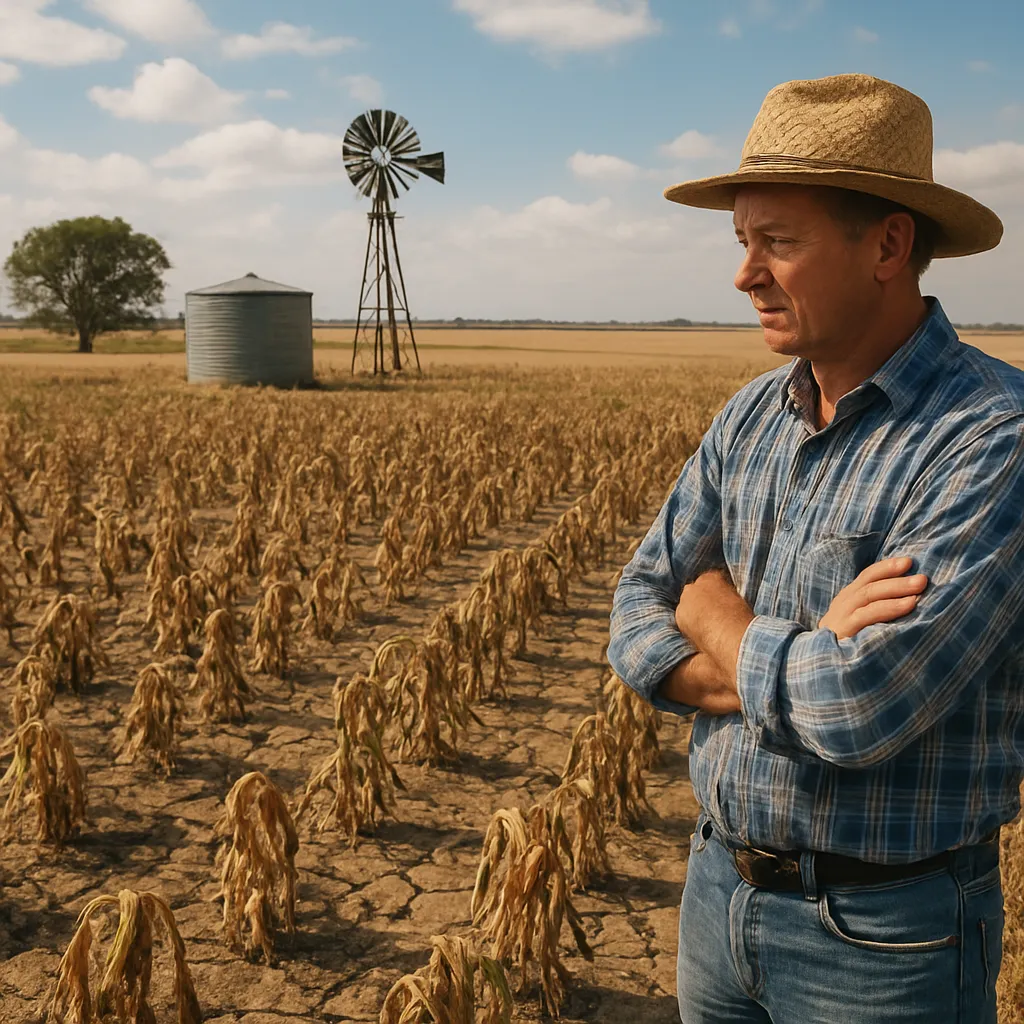
Effective farm waste recycling transforms byproducts into valuable resources, enhancing both environmental protection and economic resilience. Integrating sound strategies into daily operations not only reduces disposal costs but also boosts soil health and fosters a circular economy model across agricultural landscapes. By examining diverse waste streams, leveraging modern technologies, and adhering to best management practices, farmers can achieve remarkable gains in productivity and sustainability.
Assessing Farm Waste Streams
Understanding the variety and volume of on-farm residues is the first step toward efficient recycling. Different materials require tailored handling, from coarse stalks to liquid effluents. A comprehensive inventory helps determine prioritization for treatment and identifies opportunities for resource recovery.
- Crop residues: stalks, leaves, and husks generated after harvest
- Animal manure: rich in nutrients but requiring proper stabilization
- Processing byproducts: vegetable trimmings, dairy whey, and pulp
- Plastic film and packaging: non-biodegradable items needing separate channels
- Wastewater and wash water: often containing dissolved organics
Key Considerations
- Moisture content influences decomposition rates.
- Carbon-to-nitrogen ratio dictates composting suitability.
- Seasonal fluctuations may affect storage capacity.
Composting Techniques and Nutrient Management
Turning organic waste into nutrient-rich compost is a time-tested strategy for enhancing soil fertility while closing nutrient loops. Properly managed composting systems minimize odor, maximize pathogen reduction, and yield a stable amendment for fields and gardens.
Windrow and Static Pile Systems
- Windrows: long, narrow piles periodically turned to maintain uniform heating.
- Static piles: aerated via perforated pipes or forced-air systems, reducing labor.
Temperature and Moisture Monitoring
Maintaining thermophilic temperatures (55–65 °C) ensures microbial activity and pathogen elimination. Ideal moisture levels (40%–60%) support decomposition but prevent leachate formation. Regular probes and moisture meters help maintain optimal conditions.
Site and Runoff Control
Locating composting bays on impervious pads with proper drainage confines leachate and protects groundwater. Installing vegetated buffer strips can filter potential runoff.
Biogas Production and Energy Recovery
Converting organic waste into biogas through anaerobic digestion yields renewable energy and stabilized digestate suitable for land application. This dual benefit addresses both waste management and on-farm energy demands.
Digester Types
- Plug-flow digesters: ideal for manure with high solids content.
- CSTR (Continuously Stirred Tank Reactors): versatile, handles mixed slurries.
- Anaerobic lagoons: lower-cost option for warm climates, but larger footprint.
Biogas Utilization
Upgraded methane can fuel generators, heat barns, or be injected into local gas networks. Electricity generation reduces utility costs, while carbon credits may provide additional revenue streams.
Digestate Management
Post-digestion residue retains biodegradable materials and essential nutrients. Proper storage and application planning prevent nutrient runoff and support crop growth as a slow-release fertilizer.
Innovative Technologies in Farm Waste Recycling
Emerging approaches elevate waste processing, turning challenges into opportunities for value creation. From microbial treatments to thermal conversions, technology adoption can redefine farm operations.
- Vermicomposting: using worms to produce fine, microbial-rich vermicompost.
- Biochar production: pyrolyzing residues yields stable carbon and enhances soil structure.
- Enzymatic hydrolysis: pre-treating lignocellulosic waste to boost subsequent biogas yields.
- Hydrothermal carbonization: converting wet biomass into hydrochar, reducing transportation costs.
Precision Applications
Sensors and data analytics optimize feedstock mixing ratios, moisture adjustments, and process timing. Predictive modeling can increase overall conversion efficiency, driving both environmental and economic gains.
Regulatory Compliance and Environmental Benefits
Adhering to local and national guidelines ensures safe recycling practices and mitigates potential liabilities. Proper permitting, record-keeping, and nutrient management planning are integral to responsible waste utilization.
Water Quality Protection
Implementing setbacks from water bodies, cover systems for manure storage, and vegetative buffers minimizes nutrient leaching and reduces eutrophication risks.
Greenhouse Gas Mitigation
Recycling waste through regenerative farming techniques and energy recovery contributes to farm-level carbon sequestration and lowers methane emissions compared to open lagoons or landfills.
Community and Economic Impacts
Local stakeholders benefit from reduced odors, enhanced aesthetics, and potential job creation linked to processing facilities. Investing in waste recycling infrastructure fosters rural development and strengthens farm resilience through diversified income streams.
Strategies for Continuous Improvement
Ongoing evaluation and adaptation ensure that recycling systems remain efficient as farm operations grow or diversify. Regular training, benchmarking against industry standards, and partnerships with research institutions support a culture of waste reduction and innovation.
- Periodic audits of waste volumes and treatment performance.
- Engagement in pilot programs for cutting-edge technologies.
- Collaboration with agronomists to refine application rates and maximize crop uptake.
Staff Education
Empowering farm personnel with knowledge on safety protocols, process control, and environmental stewardship enhances overall success and ensures compliance.