Embarking on the journey to share rural expertise and farm-to-table stories through audio or written formats can be as rewarding as cultivating a thriving field. Whether you choose to launch a podcast that resonates through headphones or a newsletter landing directly in inboxes, this guide will equip you with practical steps and creative inspiration. From selecting your unique angle to building a loyal community, let’s plow ahead and sow the seeds for a successful agricultural broadcast.
Define Your Focus and Goals
Before you hit the record button or draft your first issue, it’s essential to pinpoint what makes your venture stand out. Ask yourself:
- What aspect of farming am I most passionate about?
- Who is my ideal audience—beginning gardeners, large-scale producers, or farm-to-table chefs?
- What do I hope to achieve: raise awareness, educate, entertain, or drive product sales?
Creating a clear mission helps maintain consistency and informs every creative choice you make. Avoid the temptation to cover everything under the sun. Instead, choose a niche—for example, sustainable livestock management, hydroponic herbs, or heritage grain revival. A well-defined topic enhances credibility and makes it easier for listeners or readers to recommend you to others.
Research and Inspiration
Spend time exploring existing channels in your field. Identify gaps or missing perspectives. Maybe there’s a wealth of agricultural podcasts but little on regenerative soil practices. Perhaps newsletters focus on commodity markets, yet few detail the daily joys and struggles of orchard maintenance. Take notes on:
- Formats you enjoy—interviews, storytelling, solo tutorials
- Audio lengths or newsletter word counts that keep you engaged
- Visual or auditory styles that feel authentic to your brand
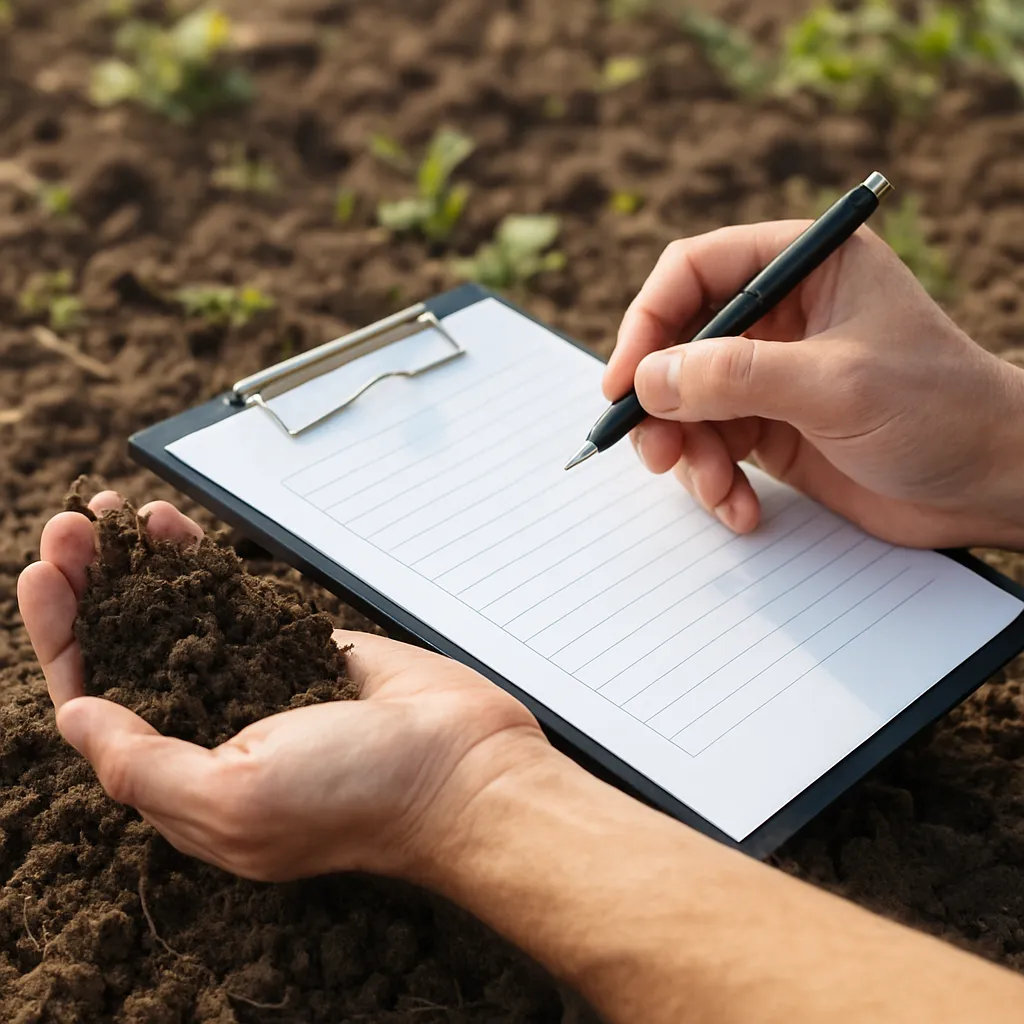
Document your ideas in a simple spreadsheet or digital notebook. This research phase not only sparks creativity but also lays a foundation for a content calendar, helping you schedule topics months in advance.
Crafting Valuable Episodes and Newsletters
Once your focus is nailed down, dive into content creation. Quality is non-negotiable. Your audience expects reliable, well-structured material that adds real value to their daily farming lives.
Building an Editorial Plan
Map out at least 10–15 episodes or newsletter issues before you launch. Categorize them into themes—crop seasons, equipment reviews, expert interviews, troubleshooting common challenges. This plan will serve as your roadmap and reduce last-minute stress. Include:
- Title or working headline
- Key points or takeaways
- Guest names or reference materials
- Target release date
Flexibility is key. If a breaking industry news item emerges, you can slot it into the calendar and shift other topics accordingly. Staying organized empowers you to uphold consistency, which builds trust and increases subscriber retention.
Recording and Writing Best Practices
Audio Quality:
- Invest in a reliable microphone—clear sound boosts engagement.
- Use pop filters and record in a quiet environment to reduce noise.
- Edit with user-friendly software, trimming long pauses and enhancing vocal clarity.
Newsletter Design:
- Choose a clean, mobile-responsive template.
- Break text into digestible paragraphs and bullet points.
- Embed relevant images or infographics—visual cues keep readers interested.
Whether speaking or writing, aim for a conversational tone. Use personal anecdotes and farm stories to humanize technical information. Your authenticity is your greatest asset.
Adding Value Through Resources
Include downloadable guides, checklists, or sample spreadsheets that help subscribers implement advice immediately. For instance:
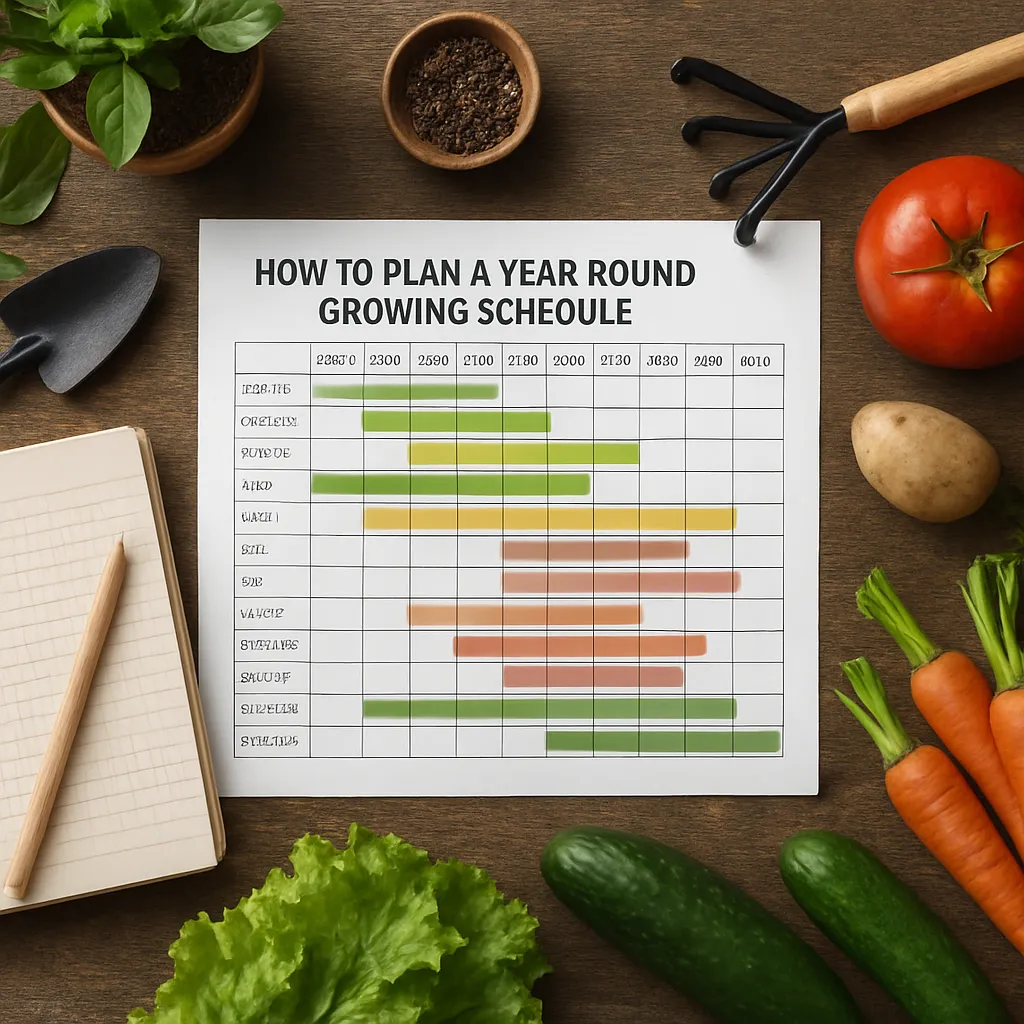
- A monthly planting schedule
- A budgeting template for feed and veterinary costs
- Links to research papers, extension service pages, or vendor discounts
Offering extra tools encourages word-of-mouth referrals, turning casual listeners and readers into enthusiastic advocates.
Launching, Promoting, and Sustaining Growth
With content in hand, it’s time to introduce your initiative to the world. A strategic launch can ignite early momentum and set the tone for long-term success.
Pre-Launch Buzz
Create anticipation by sharing behind-the-scenes photos, teaser clips, or sample newsletter excerpts on social media channels frequented by farmers—like Facebook groups, Instagram accounts dedicated to rural living, or agricultural LinkedIn networks. Offer an exclusive sign-up incentive such as a free PDF guide or early-access episode. Building an email list before your official premiere ensures immediate traction when you go live.
Distribution Channels
Podcast Platforms:
- Submit to major directories—Apple Podcasts, Spotify, Google Podcasts.
- Host audio files on a reliable podcast hosting service with good analytics.
- Optimize show notes with keywords like farming, niche topic, and guest names.
Newsletter Providers:
- Use platforms like Mailchimp, Substack, or ConvertKit.
- Segment subscribers by interests (e.g., livestock vs. crop management).
- Set up automated welcome sequences to onboard new readers.
Promotion and Community Building
Effective promotion extends beyond social media posts. Consider:
- Partnering with agricultural influencers or extension agents for guest spots.
- Participating in farming forums and attending local county fairs or expos.
- Cross-promoting with complementary newsletters or podcasts covering rural entrepreneurship or food systems.
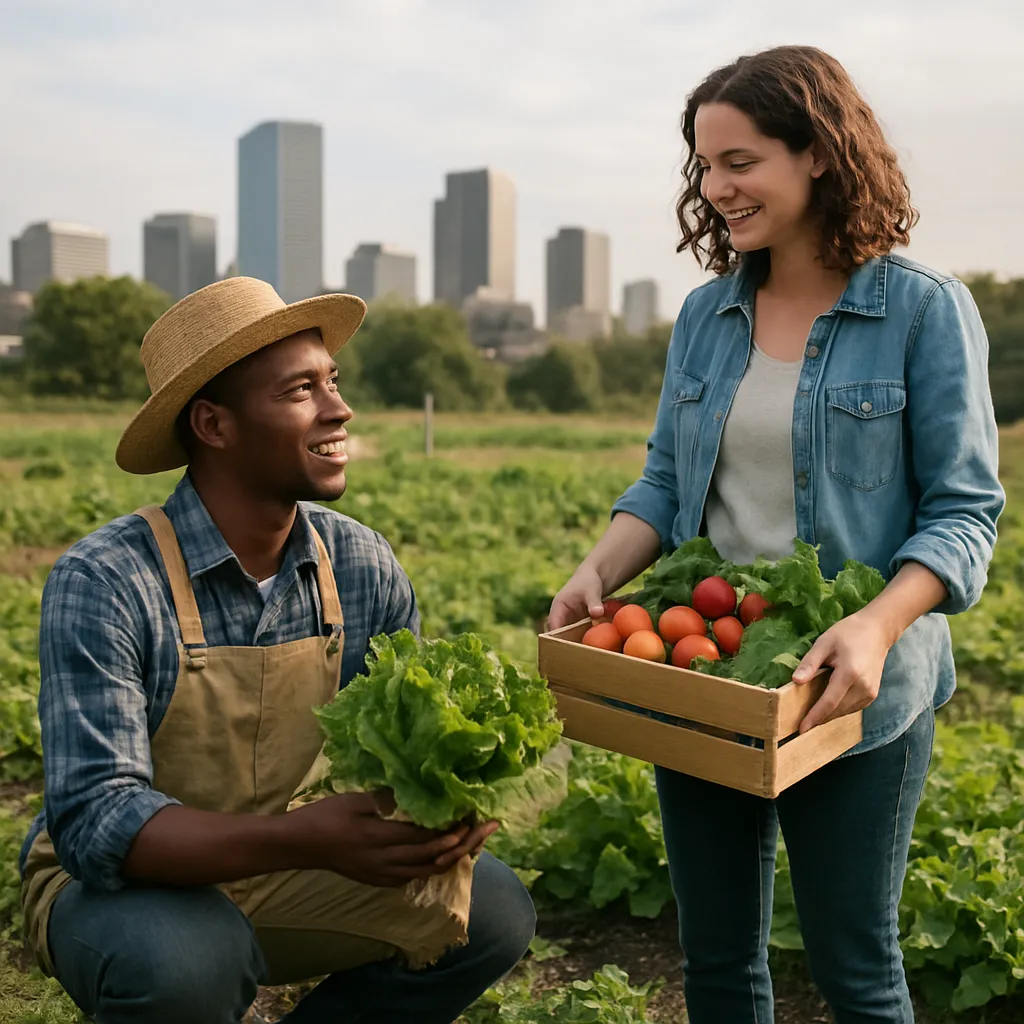
Engage directly with your audience by soliciting story ideas, answering questions on air, or featuring subscriber farm profiles. This two-way interaction fosters loyalty and transforms passive listeners into active community members.
Monetization Strategies
Once you’ve built a steady following, explore revenue streams to fund continued growth:
- Sponsorships: Partner with agricultural supply companies, seed providers, or agri-tech startups.
- Affiliate Programs: Recommend equipment or books and earn commissions on referrals.
- Premium Content: Offer paid mini-courses, detailed video tutorials, or an ad-free newsletter tier.
- Merchandise: Sell branded caps, farm tool decals, or reusable tote bags featuring your logo.
Monitor analytics to identify the most lucrative avenues and adjust your strategy. Always disclose sponsorships transparently to maintain trust.
Maintaining Momentum
Long-term success hinges on adaptability. Regularly survey your audience to gauge satisfaction and request feedback on topics they crave. Stay informed about agricultural trends—climate-smart practices, emerging pests, or policy changes—and weave them into your content. Embrace seasonal shifts: offer year-end recap episodes or a holiday-themed newsletter focusing on farm family traditions.
Above all, remain passionate and curious. Your enthusiasm for content will keep listeners tuning in and readers clicking “open”—turning your farm podcast or newsletter into a flourishing field of shared knowledge.