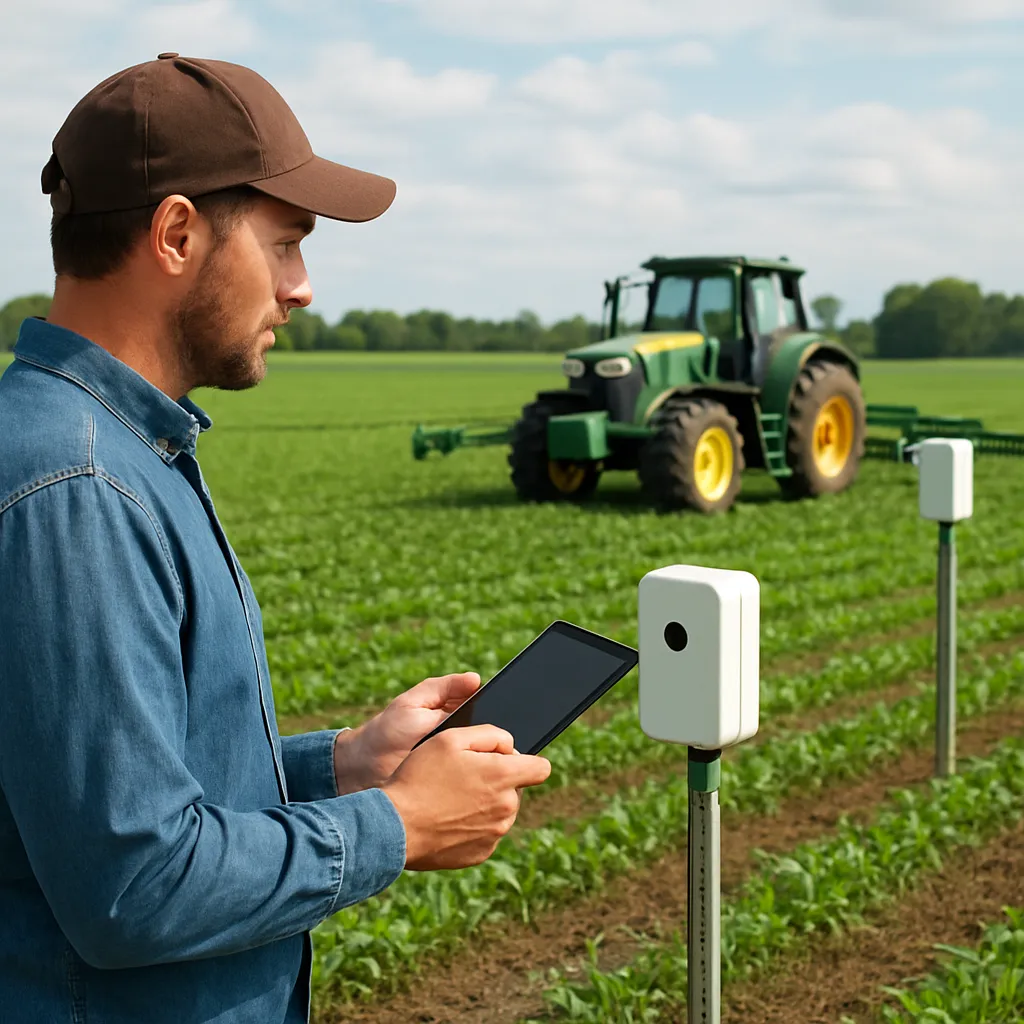
The fusion of agriculture with cutting-edge technology has revolutionized the way farmers manage their fields and resources. By integrating advanced sensors, growers can collect real-time insights into soil conditions, weather patterns, and plant vitality. This information empowers them to make informed decisions, optimize inputs, and increase overall productivity. Embracing sensor-driven methods transforms traditional practices into a dynamic, data-led approach, paving the way for more sustainable and profitable operations.
Selecting the Right Sensor Technologies
Choosing the appropriate tools is the first step in a precision farming strategy. Sensors come in various forms, each designed to monitor specific variables critical for crop development and resource management. To build an effective system, consider the following options:
- Soil Moisture Sensors: Devices that measure volumetric water content, helping to optimize irrigation schedules and prevent water stress.
- Nutrient Sensors: Instruments that detect soil nutrient levels (e.g., nitrogen, phosphorus), guiding variable-rate fertilization.
- Weather Stations: On-site stations that capture temperature, humidity, wind speed, and rainfall to forecast disease risk and irrigation needs.
- NDVI and Multispectral Cameras: Mounted on drones or tractors to assess plant vigor and crop health through spectral reflectance.
- pH and Electrical Conductivity (EC) Probes: Tools that gauge soil acidity and salinity, influencing nutrient availability and root development.
Key factors when evaluating sensors include durability, maintenance requirements, measurement accuracy, power source, and integration capabilities. Look for devices with robust data output formats and compatibility with third-party platforms.
Implementing Sensor Systems in the Field
Deploying a network of sensors across a farm involves strategic planning to ensure reliable coverage and communication. A well-designed layout maximizes the value of collected data while minimizing blind spots. Steps to consider:
- Site Mapping: Divide the farm into management zones based on soil type, topography, and historical yield maps. Assign specific sensor types to each zone for targeted monitoring.
- Power Management: Choose solar-powered or battery-operated sensors to reduce wiring complexity. Ensure enough reserve power for extended cloudy periods or low-light conditions.
- Connectivity Solutions: Utilize cellular networks, long-range radio, or LoRaWAN to transmit information to a central gateway. Reliable connectivity is critical for real-time alerts and control.
- Calibration Procedures: Perform on-site calibration of each sensor according to manufacturer guidelines. Periodic recalibration ensures ongoing accuracy and helps detect sensor drift over time.
- Data Logging and Backup: Implement local data storage on each unit with periodic uploads to the cloud. Redundancy safeguards against data loss due to network outages.
Integrating the sensor network with farm machinery enhances automation. For instance, irrigation systems can automatically adjust flow rates based on soil moisture readings, while variable-rate spreaders deliver fertilizers only where needed.
Analyzing Sensor Data for Decision-Making
Once sensors are operational and streaming information, the focus shifts to transforming raw readings into actionable intelligence. Advanced analytics and visualization tools extract patterns, identify anomalies, and generate recommendations.
- Real-Time Dashboards: Monitor field conditions live, setting threshold alerts for parameters like soil moisture below optimal levels or sudden temperature drops.
- Historical Data Analytics: Compare current metrics with previous seasons to recognize emerging trends and refine management practices over time.
- Predictive Modeling: Leverage machine learning algorithms to forecast yield potential, pest outbreaks, or irrigation needs days or weeks in advance.
- Variable Rate Applications: Link prescription maps to sprayers and spreaders, applying inputs precisely where sensor readings indicate deficiencies or surpluses.
- Decision Support Systems: Combine sensor outputs with agronomic rules and expert knowledge to generate automated recommendations for planting dates, irrigation windows, and harvest timing.
Effective use of analytics drives efficiency by optimizing resource allocation and reducing waste. It also enhances sustainability by lowering chemical runoff and conserving water.
Remote Monitoring and Control
Remote access to farm data via smartphones or web portals empowers managers to oversee operations from anywhere. Whether reviewing moisture levels at dawn or adjusting irrigation schedules during a storm, on-the-go connectivity keeps you in control.
- Mobile Apps: User-friendly interfaces display live maps, sensor alerts, and trend charts. Interactive features allow instant parameter adjustments or automated schedule updates.
- Geofencing: Create virtual boundaries that trigger notifications when equipment enters or leaves designated zones, improving security and operational oversight.
- Edge Computing: Process critical data locally to execute rapid responses without relying on cloud latency—ideal for time-sensitive tasks like frost protection.
- Cloud Platforms: Centralize data storage and analytics, enabling collaboration between consultants, agronomists, and farm operators.
Remote monitoring reduces labor costs and travel time, allowing small teams to manage larger acreages with greater precision.
Challenges and Future Perspectives
Implementing a sensor-driven system can present obstacles, but strategic planning and ongoing maintenance mitigate most issues:
- Initial Investment: High upfront costs for equipment and installation can be offset by long-term gains in yield and resource savings.
- Data Management: Handling vast volumes of IoT data requires robust storage solutions and data governance policies to ensure privacy and compliance.
- Technical Expertise: Training staff to interpret sensor outputs and troubleshoot hardware is essential for sustained performance.
- Environmental Variables: Extreme weather events can damage equipment; choosing weatherproof enclosures and regular inspections help maintain reliability.
Looking ahead, integration of robotics, artificial intelligence, and advanced sensor fusion promises even greater strides in automation and adaptability. As sensors become more affordable and networks more resilient, the era of data-driven agriculture will continue to expand, offering unprecedented opportunities to enhance crop yields, conserve resources, and steward the land responsibly.