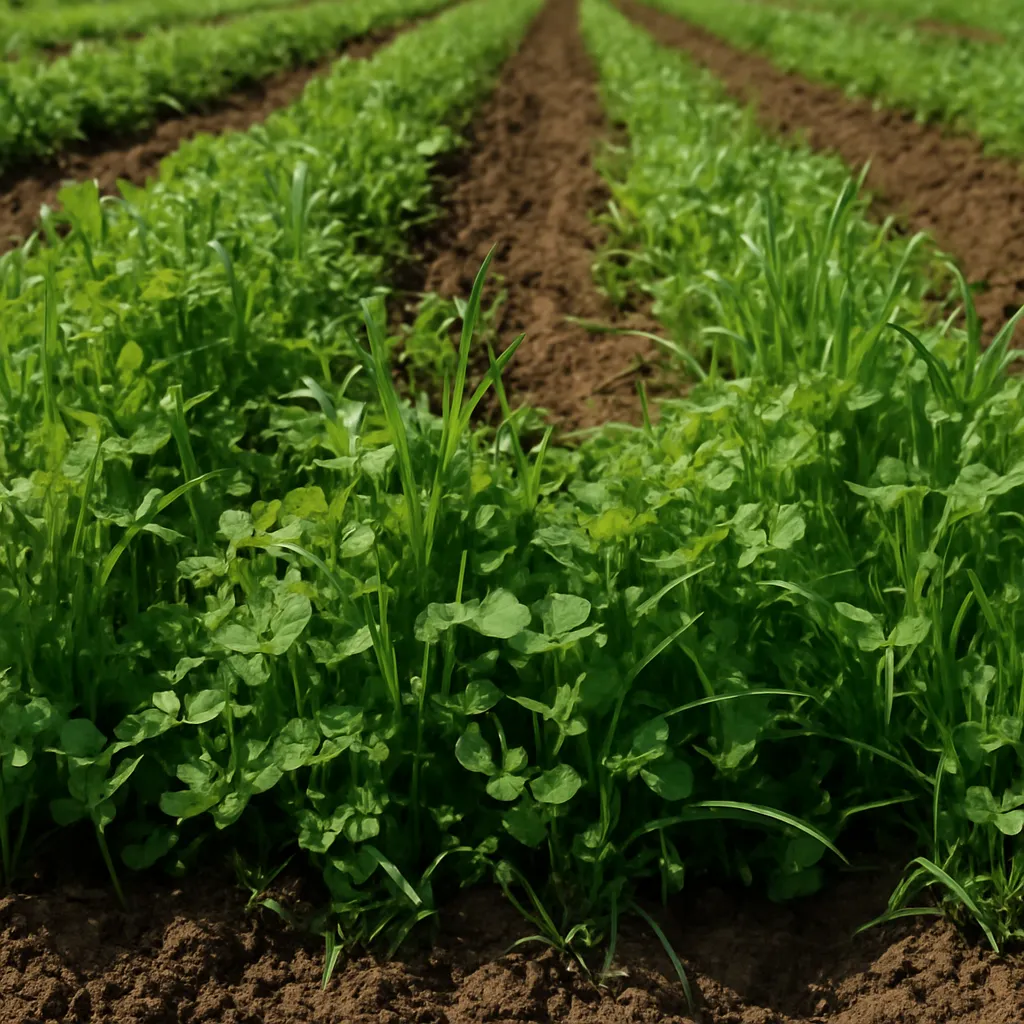
Effective soil management relies on the strategic use of cover crops to reduce erosion, improve fertility, and promote long-term sustainability. By integrating living plant cover into crop rotations, farmers can harness natural processes that enhance the soil ecosystem, boost yields, and protect the environment. This comprehensive guide explores the principles, benefits, and practical steps for establishing robust cover crop systems in diverse agricultural settings.
Importance of Soil Protection
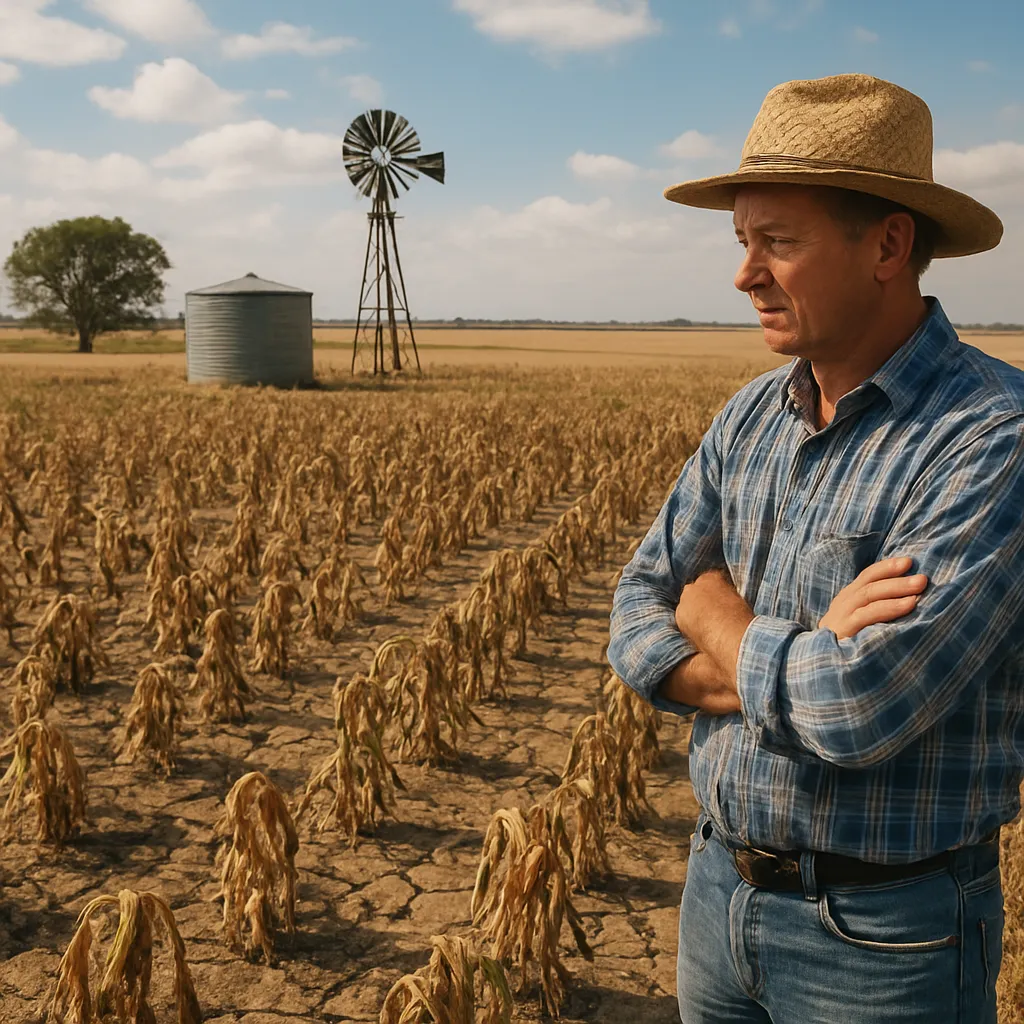
The soil is a finite resource that requires careful stewardship to maintain productivity and ecosystem balance. Without adequate protection, topsoil can be lost to wind and water, depleting essential nutrients and reducing agricultural output. Cover cropping emerges as a proactive measure that not only shields the surface but also fosters a healthy belowground environment. Key reasons to prioritize soil protection through cover crops include:
- Reduction of erosion and sediment runoff
- Prevention of soil compaction and crusting
- Enhanced moisture retention in dry periods
- Stimulation of soil biological activity and biodiversity
- Incorporation of organic matter for improved cation exchange capacity
Types of Cover Crops and Their Benefits
Selecting the right plant species is crucial for maximizing the protective functions of cover crops. Farmers can choose from diverse categories depending on their specific goals:
Legumes
- The ability to perform nitrogen fixation makes legumes such as clover, vetch, and peas invaluable for reducing fertilizer inputs.
- They produce abundant biomass that, when terminated, adds organic matter to the soil.
- Legume roots create channels that improve aeration and reduce compaction.
Grasses
- Species like rye, oats, and barley have extensive root networks that excel at holding soil particles in place, mitigating erosion.
- Grasses scavenge excess nitrogen, preventing leaching and groundwater contamination.
- They offer high biomass production, enhancing moisture retention and soil structure.
Brassicaceae
- Mustards, radishes, and canola produce biofumigant compounds that suppress soil-borne pathogens and pests.
- Their deep taproots help break up dense layers, alleviating subsoil compaction.
- These crops can be integrated into rotation to diversify toolkits for conservation efforts.
Mixed Species
Combining multiple families in a single mixture often yields synergistic effects:
- Legumes supply nitrogen while grasses lock it in place.
- Diverse root depths capture nutrients from different soil profiles.
- Aboveground diversity supports a wider range of beneficial insects, enhancing overall biodiversity.
Establishment and Management Practices
Proper establishment techniques and timely management are vital to ensure that cover crops deliver the intended benefits without hindering subsequent cash crops. The following steps outline best practices:
Seeding Methods
- Broadcast seeding is cost-effective and suitable for large areas but may require light incorporation.
- Drilling ensures uniform depth and spacing, maximizing germination and stand density.
- Aerial seeding can be performed into standing crops late in the season to establish cover after harvest.
Optimal Timing
- Plant winter-hardy species in late summer or early fall to capture residual nutrients post-harvest.
- Use spring-terminated covers to avoid competition with primary crops.
- Fit short-season covers like buckwheat into narrow windows between rotations.
Termination Techniques
- Mechanical methods, such as mowing or rolling, are eco-friendly but may not fully kill vigorous species.
- Chemical termination with appropriate herbicides offers reliability but requires careful management to avoid residues.
- Frost termination leverages natural temperature drops, suitable for winter cereal covers.
Seasonal Strategies and Crop Rotations
An effective cover cropping program is synchronized with the farm’s existing crop rotation. Each season can address different objectives:
Fall and Winter Coverage
- Winter rye and hairy vetch can be established after summer crops to provide ground cover and nitrogen supply in spring.
- Oilseed radish excels at soil loosening during cold months, improving infiltration come spring thaw.
Spring and Summer Opportunities
- Buckwheat, sorghum-sudangrass, and sunflower varieties thrive in warm weather, offering rapid biomass accumulation.
- Warm-season grasses can be integrated ahead of late-planted vegetables to suppress weeds.
Integration with Cash Crops
- Relay cropping allows cover plants to grow alongside the main crop, sharing resources and providing continuous cover.
- Strip tillage combined with cover cropping can create banded planting zones, reducing soil disturbance.
Challenges and Best Practices for Sustainable Implementation
Though cover cropping offers numerous advantages, several challenges must be addressed to ensure a successful program:
Potential Trade-Offs
- Water competition can occur if covers are not terminated timely, especially in arid regions.
- Some species, such as radishes, may regrow unpredictably, requiring additional management.
- Incorrect mixtures may favor one species, reducing the intended diversity and function.
Monitoring and Adaptation
- Conduct soil tests to measure changes in fertility, organic matter, and moisture levels.
- Observe pest and disease dynamics, adjusting species selection to break problematic cycles.
- Track biomass production and termination success to refine seeding rates and timings.
Scalability and Equipment Considerations
- Invest in adaptable seeding equipment that can handle small seeds and mixtures.
- Evaluate the need for additional machinery, such as rollers or crimpers, for termination processes.
- Seek cooperative opportunities with neighboring farms to share resources and expertise.