Growing onions organically can be a rewarding venture for both small-scale farmers and commercial growers. By focusing on sustainable methods and careful planning, it is possible to achieve consistent yields and significant profit. This guide outlines proven strategies and practical steps to cultivate high-quality onions from seed to sale, ensuring a vibrant and profitable operation.
Selecting High-Yield Organic Onion Varieties
Choosing the right variety is crucial for maximizing your return. Some onions excel in storage, while others fetch premium prices in fresh markets. Consider these factors when selecting seeds:
- Day-length adaptation: Ensure varieties match your region’s photoperiod (short-day, intermediate-day, or long-day).
- Resistance traits: Look for strains with disease tolerance to common pathogens like downy mildew and onion yellows.
- Bulb size and shape: Round, flat, or globe-shaped bulbs each attract different buyer segments.
Popular options include Granex (short-day), Red Creole (intermediate-day), and Copra (long-day). Trial small batches to determine which deliver the best performance in your specific climate and soil conditions. Keep detailed records of yield, storage life, and quality to refine future selections.
Preparing the Soil for Optimal Growth
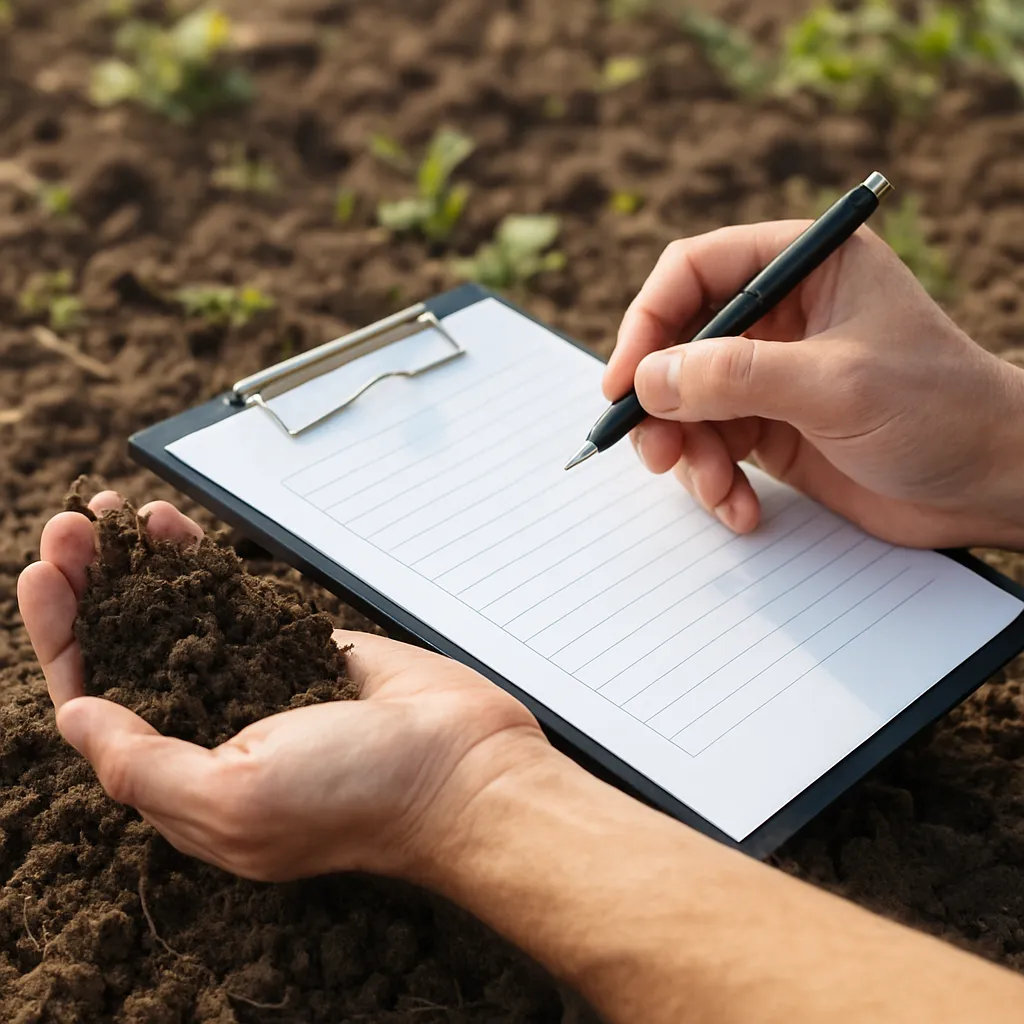
Healthy soil is the foundation of an organic onion crop. Begin with a thorough soil test to determine pH, nutrient levels, and texture. Aim for a pH between 6.0 and 6.8. Amend soils as follows:
- Apply well-composted manure or green compost at least 4 weeks before planting to boost soil nutrient levels.
- Incorporate rock phosphate and kelp meal for gradual release phosphorus and micronutrients.
- Use gypsum to improve heavy clay soils, enhancing drainage and root penetration.
Implement a strict crop rotation plan, avoiding planting alliums in the same bed for at least three years. This practice minimizes disease carryover and helps maintain soil fertility. Raised beds can also speed warming in spring, reduce compaction, and improve overall drainage.
Planting Techniques and Spacing Strategies
Onion establishment is sensitive to depth and spacing. Optimal seed or transplant placement fosters uniform bulb development:
- Seed sowing: Plant seeds ¼ inch deep in seed trays or direct-sow in well-prepared seedbeds.
- Transplants: Set 4–6 inches apart in rows spaced 12–18 inches, ensuring 1–2 inches of neck above the soil surface.
- Bulb sets: Plant 1–2 inches deep with 2–4 inches between sets for storage varieties.
Uniform spacing reduces competition for light and nutrients, leading to consistent bulb size. After planting, firm the soil gently around seedlings to eliminate air pockets and ensure good root contact. A light sprinkle of organic starter fertilizer at planting helps young plants establish rapidly.
Water Management and Irrigation Practices
Onions require regular moisture but are vulnerable to waterlogged conditions. Implement the following practices to optimize irrigation:
- Drip irrigation: Targets the root zone, reduces evaporation, and minimizes foliage wetness that can promote disease.
- Mulch moisture retention: After establishment, apply straw or shredded bark mulch to conserve water.
- Schedule watering: Provide 1–1.5 inches of water per week during key growth stages, reducing frequency as bulbs mature.
Monitor soil moisture with a simple probe or sensor. Overwatering can delay bulb formation and increase disease pressure, while drought stress leads to smaller or misshapen bulbs. Balanced moisture is key to achieving high yields.
Weed Control and Mulching for Weed Suppression
Onions have shallow roots, making them poor competitors against weeds. Maintain clean beds without resorting to synthetic chemicals:
- Pre-emergent barriers: Use biodegradable films or organic weed mats before planting.
- Mulching: Spread a 2–3 inch layer of straw, grass clippings, or leaf mold to smother emerging weeds.
- Hand weeding and shallow cultivation: Perform regular interventions to avoid root damage.
Frequent attention during the early stages can prevent competition for nutrient uptake and water. As bulbs enlarge, the crop canopy will naturally suppress many weeds, reducing labor inputs toward the end of the season.
Managing Pests and Diseases Organically
An integrated approach is essential for an organic onion system. Key strategies include:
- Crop rotation: Rotate with non-allium crops to break pest and disease cycles.
- Beneficial insects: Encourage lacewings and lady beetles to control thrips and aphids.
- Botanical sprays: Apply neem oil or pyrethrin-based products at the first sign of insect pressure.
Sanitation is critical. Remove volunteer onions and cull infected plants promptly. Maintain good airflow by avoiding overcrowding and pruning senescent foliage to lower the risk of fungal outbreaks.
Harvesting and Curing for Best Quality
Timing your harvest correctly ensures maximum flavor and storage life. Onions are ready when 50–75% of tops have fallen over:
- Lift bulbs gently with a fork to avoid bruising.
- Allow onions to dry in the field for 2–3 days in warm, sunny conditions.
- Cure in a well-ventilated shed for 4–6 weeks, keeping temperatures between 70–80°F.
Proper curing toughens the neck, reduces moisture content, and helps prevent rot. Once necks are completely dry, trim roots and tops, leaving about 1 inch of stem. Store bulbs in mesh bags or ventilated crates at 32–40°F and 65–70% humidity for optimal shelf life.
Marketing Your Organic Onions for Maximum Profit
Effective marketing transforms a good yield into solid profit. Explore diverse channels to maximize returns:
- Farmers markets: Highlight your organic certification and superior quality.
- CSA programs: Offer bundled boxes with onions alongside other produce.
- Wholesale accounts: Partner with local grocers, restaurants, and co-ops seeking organic produce.
- Value-added products: Create pickled onion jars or dried onion granules to extend your product range.
Build a loyal customer base through on-farm events, social media engagement, and newsletter updates on planting and harvest schedules. Consistent, high-grade onions sold under a recognizable brand will command premium prices, boosting your overall profit and establishing your farm as a leader in sustainable onion production.