The agricultural landscape has witnessed a profound transformation as women increasingly shape its evolution. Beyond mere participation, they drive innovation, champion sustainability, and foster community growth. Their contributions span from on-the-ground labor to leadership roles in policy and research, illustrating an unwavering commitment to ensuring food security and environmental resilience.
Global Presence and Historical Shifts
Across continents, women form an essential backbone of the farming sector. In many regions, they comprise nearly half of the agricultural workforce, managing tasks from planting and harvesting to post-harvest processing. Historically underrepresented in land ownership and decision-making, women have gradually broken barriers by:
- Acquiring formal education and vocational training in agronomy and agribusiness.
- Forming cooperatives and networks to pool resources and share best practices.
- Advocating for policy reforms that guarantee land rights and equitable access to credit.
These shifts reflect a growing recognition of their leadership potential and the link between gender equity and agricultural productivity. As women gain access to resources, overall farm yields improve, household nutrition rises, and rural economies strengthen.
Leading Innovations and Technology
Precision Agriculture and Digital Tools
Digital platforms, mobile apps, and remote sensing technologies have revolutionized farming practices. Women are at the forefront of adopting and tailoring these tools to local contexts:
- Using smartphone-based software for weather forecasting and crop monitoring.
- Implementing GPS-driven equipment to optimize planting density and fertilizer application.
- Leveraging data analytics to anticipate pest outbreaks and reduce post-harvest losses.
By harnessing technology, women-led farms not only enhance productivity but also conserve resources, promoting long-term resilience against climate volatility.
Green Innovation and Organic Farming
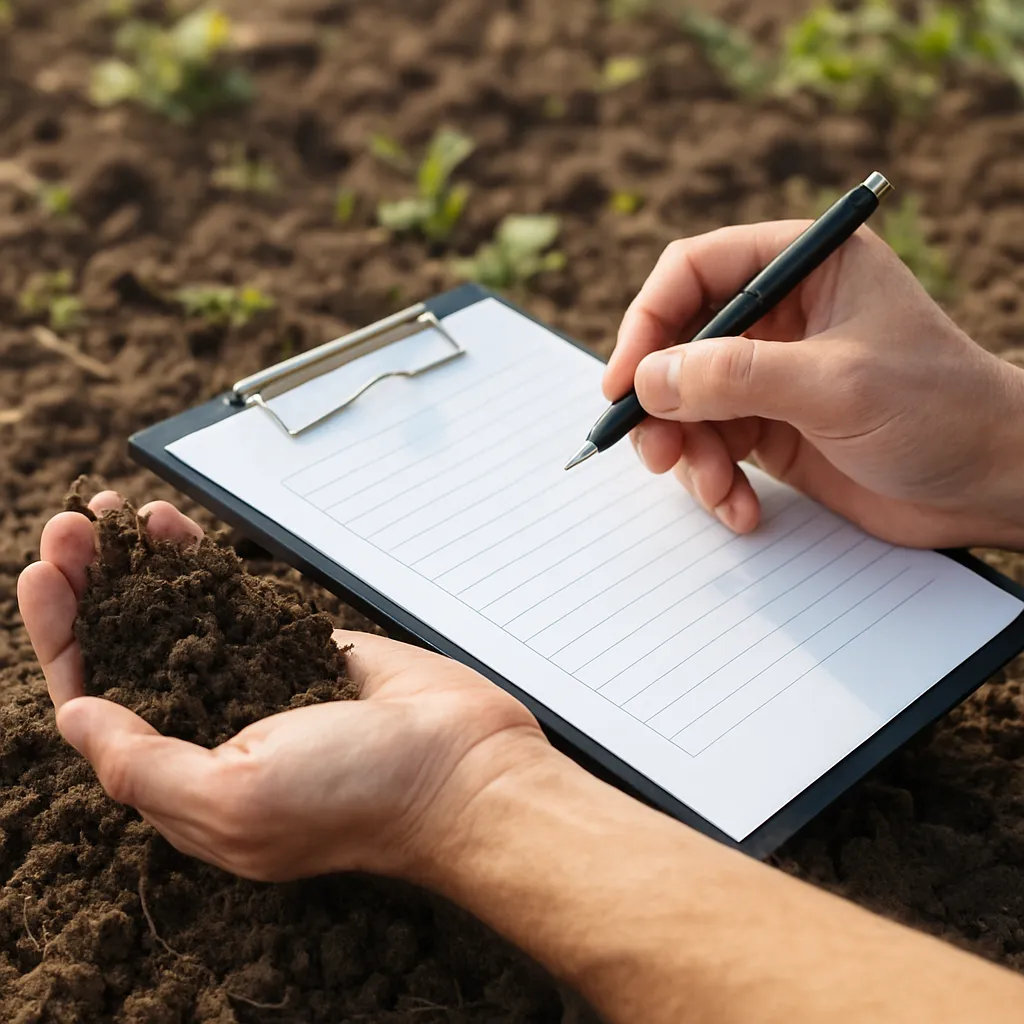
Environmental stewardship often starts at the grassroots level. Women farmers champion practices that protect soil health and biodiversity:
- Crop rotation systems that break pest cycles and replenish soil nutrients.
- Agroforestry models combining trees with vegetables or grains to improve carbon sequestration.
- Composting and vermiculture initiatives to reduce chemical fertilizer dependence.
Through these efforts, they advance biodiversity and reduce agriculture’s carbon footprint, aligning local actions with global climate goals.
Socioeconomic Impact and Empowerment
Economic Leadership and Entrepreneurship
Women-led agricultural enterprises span smallholder farms to large-scale agribusinesses. Their entrepreneurial spirit drives:
- Value-added processing ventures, such as artisanal cheese, preserves, and herbal extracts.
- Direct-to-consumer marketing models, including farmers’ markets and community-supported agriculture (CSA) programs.
- Export-oriented cooperatives that tap into niche markets for fair-trade and organic produce.
Such initiatives boost rural incomes and create new employment opportunities, particularly for young people and other women in farming communities.
Community Building and Collaboration
Collective action amplifies individual capacity. Women’s networks and farmer field schools foster knowledge exchange and mutual support:
- Mentorship schemes pairing experienced farmers with novices.
- Workshops on financial literacy, cooperative management, and risk mitigation.
- Advocacy campaigns raising awareness of women’s roles and seeking policy changes.
These collaborative frameworks nurture social capital and ensure that progress is sustained across generations.
Challenges and Pathways Forward
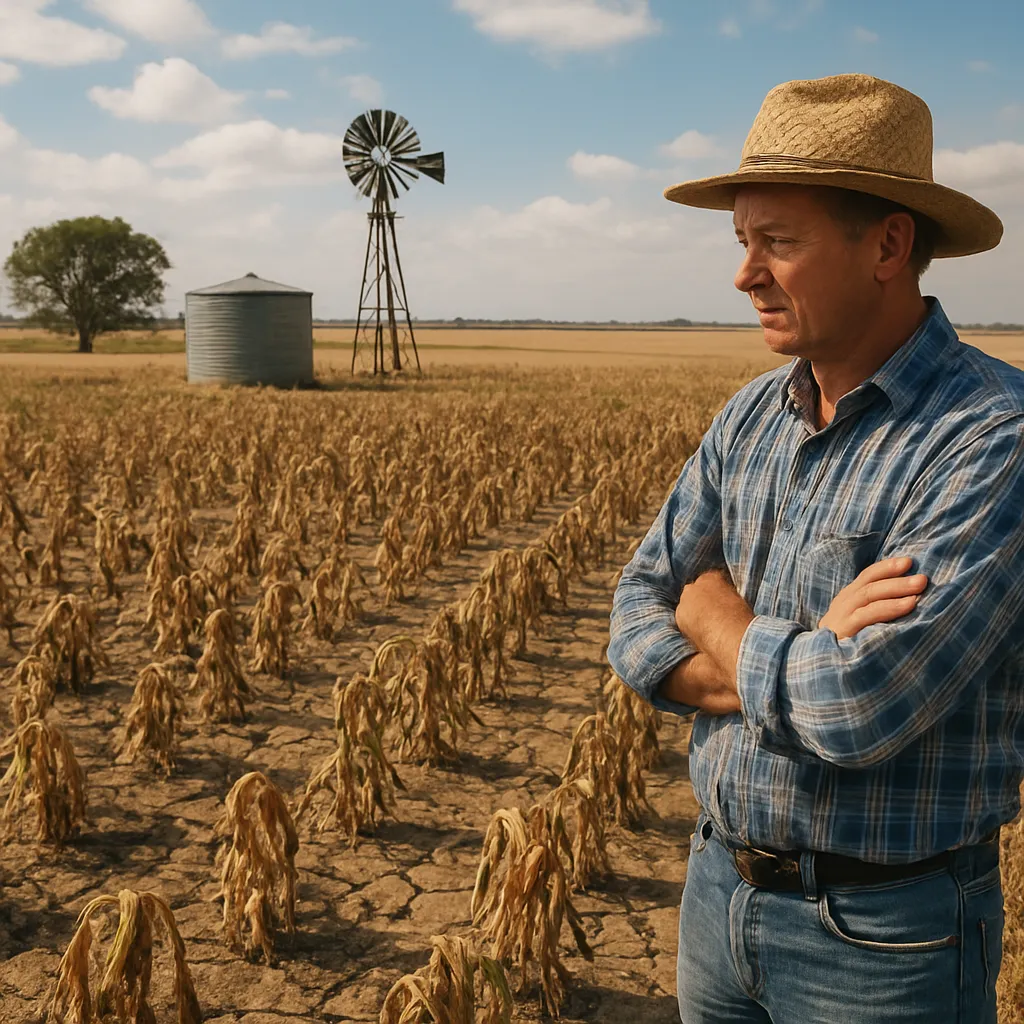
Despite remarkable strides, women in agriculture confront persistent obstacles. Barriers include limited access to land titles, credit constraints, and cultural norms that restrict mobility and decision-making. Addressing these challenges requires multifaceted interventions:
- Legal reforms guaranteeing equal inheritance and land tenure rights.
- Microfinance programs designed to meet the needs of women farmers and entrepreneurs.
- Extension services and training modules delivered in local languages and accommodating women’s schedules.
Public-private partnerships can scale successful models, while research institutions must prioritize gender-disaggregated data to inform targeted policies.
Future Prospects and Vision
Scaling Impact through Education
Investing in girls’ education and vocational training lays the groundwork for the next generation of agricultural innovators. Scholarships, STEM outreach, and hands-on apprenticeships can unlock potential and streamline pathways into agritech and management roles.
Policy Integration and Inclusive Governance
Women’s voices must be integral to policy dialogues on food systems, climate adaptation, and rural development. Institutionalizing gender-responsive budgeting and advisory councils ensures that agricultural policies reflect diverse needs and leverage women’s unique insights.
Fostering Global Solidarity
International fora and donor agencies play a pivotal role in amplifying women’s achievements and scaling best practices. By featuring female farmer leaders in conferences and funding cross-border exchange programs, the global community can accelerate the transition towards equitable and sustainable food systems.
In redefining the contours of modern agriculture, women are not merely participants but catalysts for transformation. Their combined expertise in land management, community organization, and technological innovation points toward a future where agriculture is not only more productive but also more just and empowering for all.