Small farms play a pivotal role in global agriculture, shaping rural communities and contributing to food security. Their economic viability depends on a delicate balance of cost management, market access, and strategic planning. By examining the core drivers of financial performance, farmers and stakeholders can unlock the potential for sustainable growth and increased **profitability**.
Cost Structure and Input Management
Efficient resource allocation is fundamental to the survival of small agricultural enterprises. Understanding the fixed and variable expenses enables farm operators to forecast budgets, identify areas for savings, and enhance overall productivity.
Fixed Costs
- Land leases or mortgage payments
- Equipment depreciation and maintenance
- Property taxes and insurance
- Infrastructure overheads such as barns and storage facilities
Variable Costs
- Seeds, fertilizers, and pesticides
- Fuel, electricity, and water usage
- Labor wages and benefits
- Packaging and transportation expenses
Smart management of these inputs through bulk purchasing cooperatives or precision farming techniques can reduce cost per unit and bolster margins. Investing in technologies like soil moisture sensors or GPS-guided machinery enhances resource efficiency and minimizes waste.
Revenue Streams and Diversification
Relying on a single crop or livestock product exposes small farms to market volatility and seasonal fluctuations. Effective diversification strategies open new sources of income and build financial resilience.
On-Farm Sales
- Farmers’ markets and pick-your-own operations
- Community Supported Agriculture (CSA) subscriptions
- Value-added products such as jams, cheeses, or specialty grains
Off-Farm and Niche Markets
- Online direct-to-consumer platforms
- Contract farming agreements with restaurants and retailers
- Agri-tourism events and educational workshops
By tailoring product offerings to local tastes and consumer trends—like organic or heirloom varieties—farmers can tap into premium price points. Collaborating with local chefs or artisanal brands further expands market reach and fortifies brand identity.
Market Access and Distribution Channels
Connecting with reliable distributors and end consumers is essential for sustaining stable revenue. Small farms face unique challenges in logistics and market penetration, but innovative solutions continue to emerge.
Cooperative Models
- Shared warehousing and cold storage facilities
- Collective marketing campaigns to attract bulk buyers
- Joint transportation networks to lower shipping costs
Digital Platforms
- Online marketplaces specializing in local produce
- Mobile apps for farm-to-table deliveries
- Social media channels for direct engagement and storytelling
Building a strong brand narrative—highlighting sustainable practices or family heritage—can create emotional bonds with consumers and distinguish small farms in competitive markets. Strategic partnerships with regional grocers and co-ops amplify visibility and sales volume.
Sustainability and Risk Management
Environmental stewardship and economic viability go hand in hand. Small farms often rely on ecosystem services—pollination, soil fertility, water purification—so adopting sustainable practices safeguards both natural capital and long-term earnings.
Soil and Water Conservation
- Crop rotation and cover cropping to maintain soil health
- Drip irrigation and rainwater harvesting systems
- Riparian buffer zones to reduce runoff
Climate Resilience
- Agroforestry and shelterbelts for wind protection
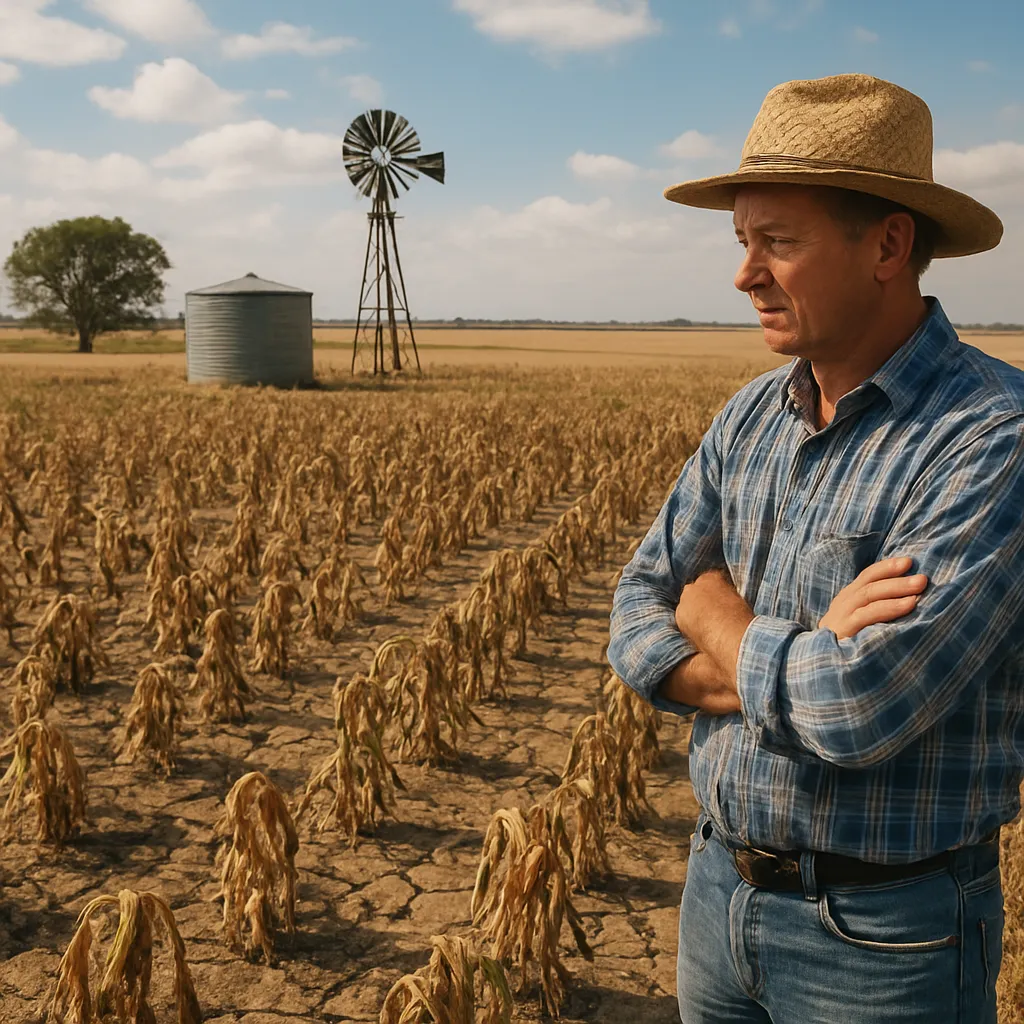
- Drought-tolerant crop varieties
- Insurance schemes against extreme weather events
Governments and non-profits often offer subsidies or grants to encourage adoption of conservation measures. Participating in environmental certification programs can unlock premium markets and enhance farm reputation.
Policy, Infrastructure, and Innovation
Regulatory environments and public investments significantly influence small farm economics. Advocating for supportive frameworks and leveraging technological breakthroughs are critical for modernization.
Regulatory Support
- Access to low-interest credit and loan guarantee programs
- Land tenure reforms that secure property rights
- Trade policies that reduce unnecessary barriers
Technological Adoption
- Mobile-based farm management software
- Blockchain for supply chain transparency
- Automated greenhouses and vertical farming units
Investing in rural infrastructure, such as reliable roads, broadband internet, and energy grids, is vital for connecting producers to markets and information networks. Embracing innovation fosters higher yields, lowers operational risks, and propels small farms toward competitive parity with larger operations.
Strategic Planning for Long-Term Growth
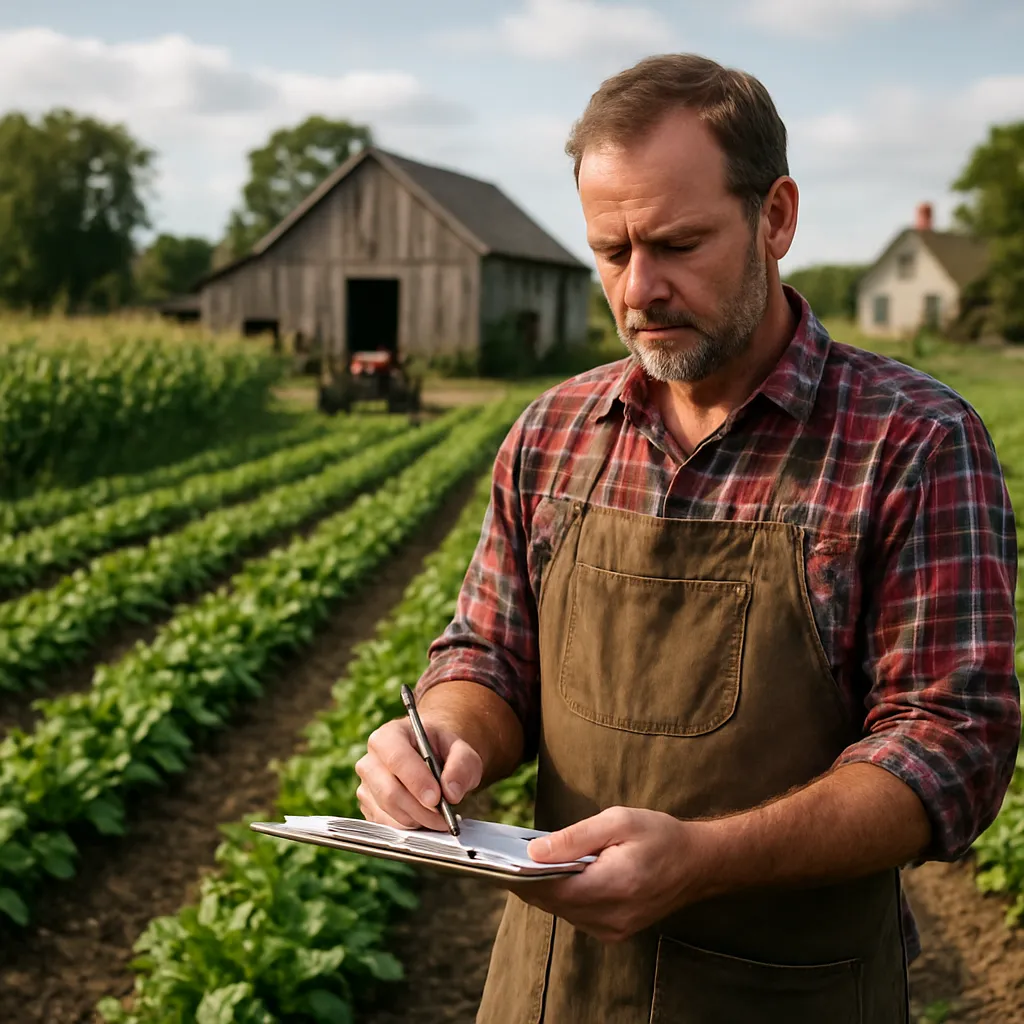
Setting clear objectives and regularly evaluating performance metrics ensures continuous improvement and strategic alignment. Financial statements, benchmarking against peers, and scenario analysis guide decision-making.
Financial Analysis Tools
- Cash flow projections and break-even calculations
- Return on investment (ROI) for equipment purchases
- Profit and loss statements customized by enterprise
Marketing and Branding Strategies
- Logo design and packaging that reflect farm ethos
- Storytelling through blogs, videos, and farm tours
- Partnerships with local chefs and influencers
Regular SWOT assessments—evaluating strengths, weaknesses, opportunities, and threats—help farmers adapt to market shifts and emerging trends. Emphasizing diversification and incremental growth builds a foundation for sustained success.