Managing a thriving cattle operation on pasture demands careful planning, consistent effort, and a deep understanding of grass-based systems. This guide explores essential practices for raising healthy, productive animals that benefit from the natural cycle of grazing land. By focusing on proper soil preparation, strategic grazing, balanced nutrition, and vigilant health monitoring, farmers can optimize livestock performance while promoting long-term sustainability.
Pasture Planning and Soil Preparation
Before introducing cattle to a field, proper evaluation of the land’s characteristics is crucial. Conduct a detailed soil test to measure pH, nutrient levels, and organic matter. Adjust soil conditions by applying lime or sulfur to reach an optimal pH range, typically 6.0 to 7.0 for most forage species. Incorporate phosphorus, potassium, and micronutrients as recommended by local extension services. Resurvey the field for drainage patterns and correct areas prone to waterlogging by installing shallow tile or surface drains. Healthy soil fosters vigorous grass growth, which in turn supports higher stocking density and more efficient use of space.
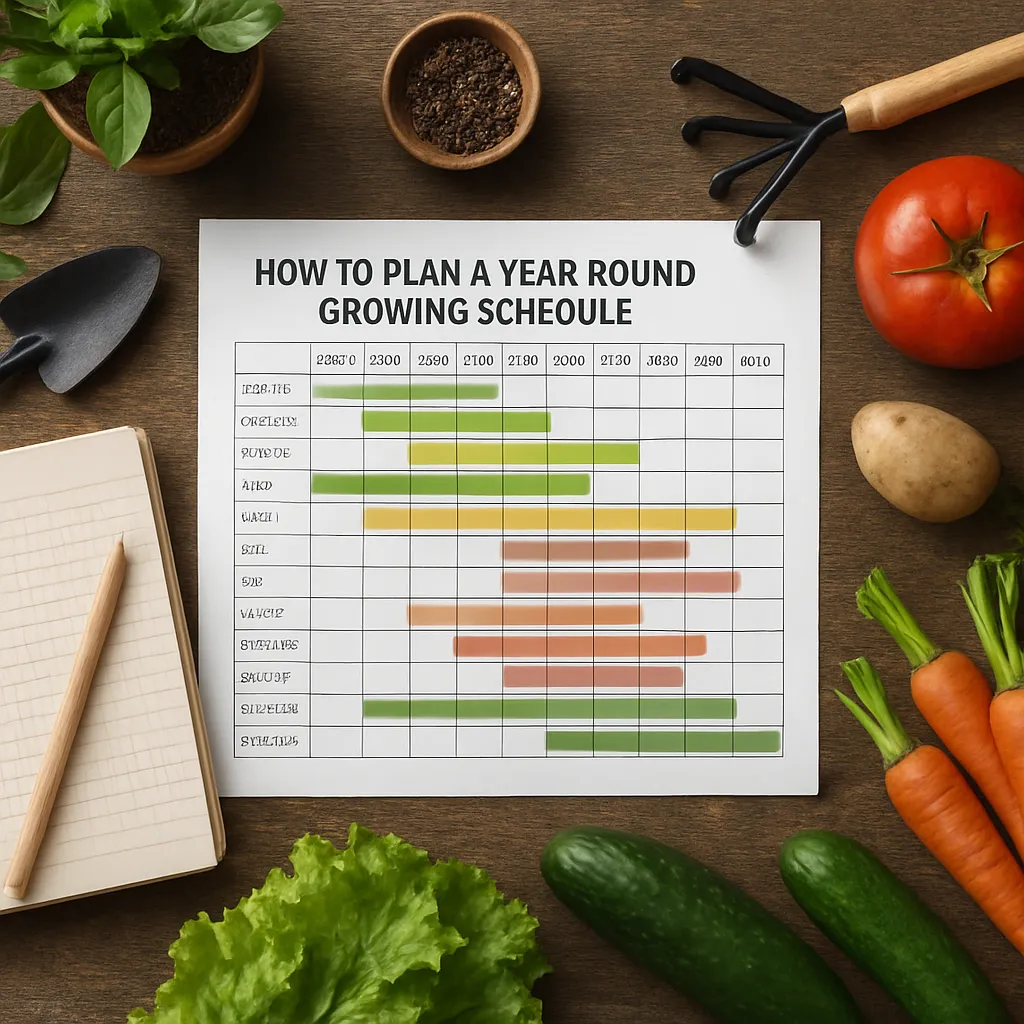
Seeding diverse grass and legume mixtures helps secure a stable forage supply year-round. Combining cool-season species like orchardgrass and fescue with warm-season options such as bermudagrass ensures grazing availability across seasons. Interseed legumes—clover, alfalfa, or birdsfoot trefoil—to boost forage quality and fix atmospheric nitrogen. Use no-till drills where possible to maintain soil structure and prevent erosion.
Selecting the Right Cattle Breeds
Choosing an appropriate breeds is an integral step toward a successful pasture-based operation. Breeds with moderate frame size and strong mothering instincts perform well under rotational grazing systems. British breeds such as Angus and Hereford excel for meat quality and adaptability, while Continental breeds like Charolais and Simmental offer rapid growth rates. Dual-purpose animals, such as Devon or South Poll, can thrive in low-input setups, providing both beef and milk.
- Evaluate local climate and forage availability when selecting genetics.
- Prioritize maternal characteristics for improved calving ease and calf vigor.
- Balance growth potential with feed efficiency to lower overall costs.
Crossbreeding can deliver hybrid vigor, enhancing weight gains and disease resistance. Work with reputable breeders or agencies to secure cattle free of genetic defects and certified for diseases such as BVD and Johne’s disease.
Establishing Nutritional Goals on Pasture
A pasture-based diet relies on fresh forage as the primary feed source, but careful planning ensures balanced nutrient intake. Analyze forage samples monthly for crude protein, fiber, and energy levels. Supplement low-quality grass with hay or baleage during dormant seasons. Provide a high-quality grain or grain byproduct blend to lactating cows or fast-growing calves to support peak demands.
Incorporate protected proteins or rumen bypass feeds for animals requiring extra amino acids. Offer mineral blocks or loose free-choice blends fortified with calcium, phosphorus, magnesium, and trace elements. Pay close attention to copper and zinc levels, adjusting formulations based on soil test results to prevent deficiencies or toxicities.
Rotational Grazing and Paddock Management
Implementing a rotational grazing system maximizes grass utilization and stimulates plant regrowth. Divide pasture into multiple paddock areas using temporary electric fencing or permanent fencing. Move cattle every two to five days, depending on forage growth rates and stocking density. This rest period allows plants to replenish energy reserves and develop robust root systems, reducing soil erosion and enhancing drought resilience.
Key Rotation Strategies
- Adjust rotation frequency seasonally to accommodate growth spurts.
- Graze more intensely during rapid growth and extend rest during slow periods.
- Include sacrifice paddocks for overwintering or during extreme weather.
Monitor residual grass height to avoid overgrazing. Maintain a minimum stubble height of 3 to 4 inches for cool-season grasses and 6 to 8 inches for warm-season varieties. This practice preserves leaf area, ensuring rapid recovery and minimizing weed invasion.
Water and Mineral Management
Access to clean, fresh water is non-negotiable for cattle performance. Install multiple watering stations throughout the pasture to prevent congregation at a single point, reducing soil compaction and manure buildup. Use concrete pads, gravel, or heavy-duty steel troughs to maintain hygiene and prevent seepage. Heat electric heaters or install insulation for troughs in cold climates to ensure year-round availability.
Strategically position mineral feeders in shaded areas near water sources to encourage consistent intake. Rotate feeder locations periodically to distribute manure and nutrients evenly across the field. Evaluate mineral consumption monthly and adjust formulations or feeder capacity to prevent shortages or excessive waste.
Health Monitoring and Biosecurity
Vigilant biosecurity measures help minimize disease risk and ensure herd well-being. Establish quarantine protocols for new or returning animals, isolating them for at least 30 days for observation and testing. Limit visitor access to essential personnel and require hygiene measures such as boot dips and handwashing stations. Regularly inspect cattle for signs of lameness, parasites, respiratory distress, or nutritional deficiencies.
- Schedule vaccinations and deworming programs based on veterinary guidance.
- Maintain detailed health records to track treatments, breeding cycles, and performance metrics.
- Collaborate with a local veterinarian to develop a herd health plan and emergency response strategy.
Hoof trimming, vaccination boosters, and parasite control are critical tasks often overlooked in pasture systems. Plan routine check-ups at the start and end of grazing seasons to address potential problems before they escalate.
Enhancing Pasture with Diverse Forages
Introducing a mixture of forage species mitigates seasonal feed gaps and improves pasture resilience. Integrate annuals such as sorghum–sudangrass hybrids, oats, or Italian ryegrass for supplemental summer grazing. Establish winter cover crops like triticale or winter peas to extend grazing into cooler months. Consider fencing off sensitive zones for planting pollinator-friendly flowers or wildlife habitat, contributing to biodiversity and ecosystem services.
Periodic interseeding helps maintain a balanced composition of grasses, legumes, and broadleaf plants. Use a no-till or minimal-till drill in early spring or late summer when soil moisture favors germination. Apply light fertilizer following drilling to give new seedlings a nutritional boost. Over time, diverse pastures improve soil structure, suppress weeds naturally, and reduce reliance on purchased feeds.