Fostering a new generation of agricultural professionals requires a careful blend of theoretical instruction and hands-on experience. Farm education equips aspiring farmers and seasoned producers alike with the essential knowledge and skills needed to adapt to evolving environmental and economic challenges. This article explores the key areas where structured training and continuous learning elevate modern farming practices to achieve higher productivity and sustainability.
Practical Learning in Agricultural Settings
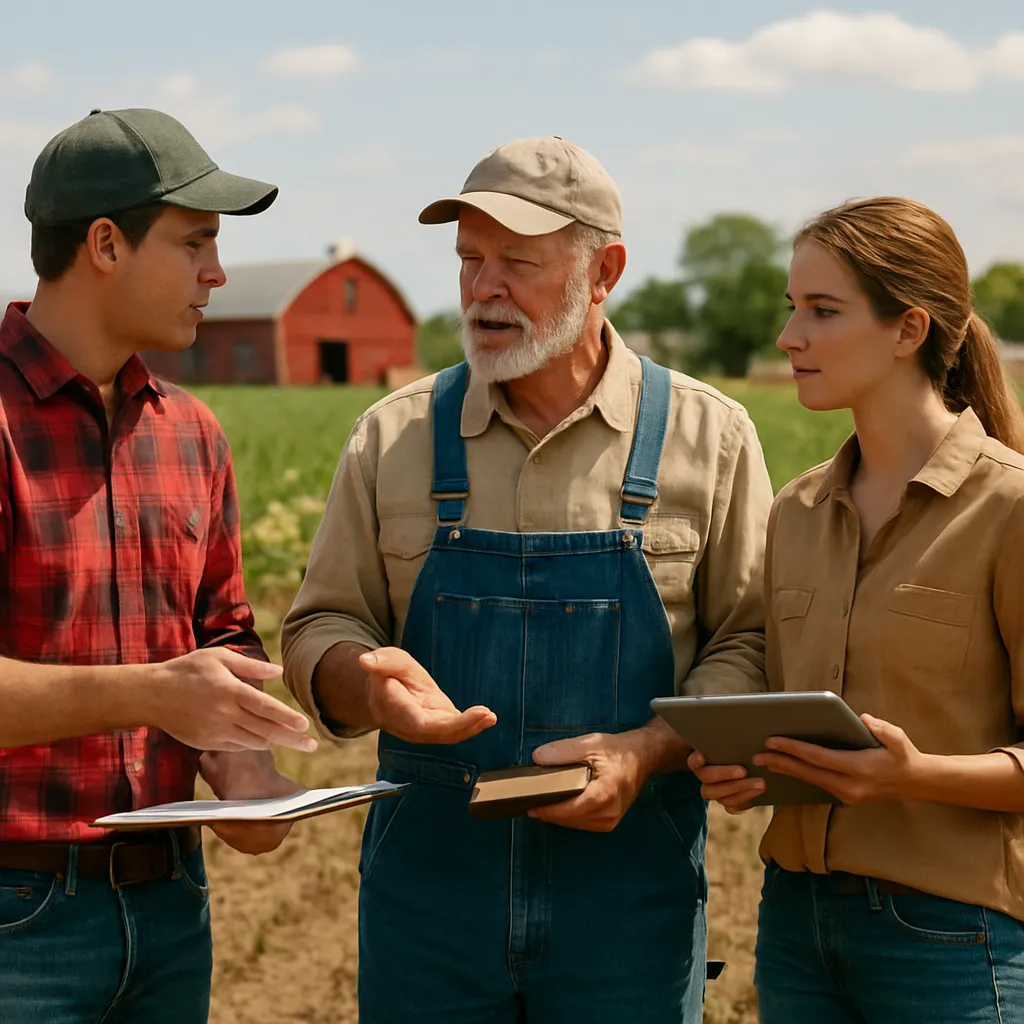
Field-based instruction remains the cornerstone of effective farm education. Opportunities such as internships, apprenticeships, and on-site workshops allow learners to engage directly with soil, crops, and livestock. By observing planting techniques, pest management, and harvest protocols in real time, participants can develop an intuitive sense of seasonal rhythms and crop cycles. This immersive approach fosters innovation and cultivates problem-solving abilities that classroom lectures alone cannot deliver.
Key Benefits of Hands-On Training
- Immediate feedback on technique adjustments
- Exposure to a variety of soil types and climates
- Mentorship from experienced farmers
- Practice in using specialized technology and equipment
- Understanding of animal welfare standards
In addition, demonstration plots serve as living laboratories. Participants can compare traditional methods with experimental approaches side by side. This setup enables a data-driven evaluation of yield improvements, water usage, and resource allocation. By engaging in these trials, budding farmers gain confidence and refine their decision-making processes before taking full responsibility for large-scale operations.
Integrating Modern Technology and Innovation
Advances in digital tools and machinery continue to transform agricultural landscapes. From drone-assisted mapping to automated irrigation systems, technology offers precise control over resource distribution. Educators must incorporate training modules on data management, geospatial analysis, and machine maintenance to prepare learners for this high-tech environment. Understanding how to interpret sensor outputs and apply them to field adjustments can lead to significant gains in yield and cost savings.
Essential Components of Technology Training
- Use of GPS-guided tractors and harvesters
- Remote sensing for crop health monitoring
- Software platforms for record-keeping and compliance
- Integration of IoT devices for real-time alerts
- Basic programming skills for customization
Workshops focusing on conservation tillage, variable-rate fertilization, and precision planting help participants link theoretical models to practical outcomes. By collaborating with agritech firms and research institutions, educational programs can stay current with emerging innovations and ensure that trainees are ready to apply cutting-edge solutions on their own farms.
Developing Sustainable Farming Strategies
Long-term viability in agriculture depends on ecological stewardship. Training modules that emphasize soil health, crop rotation, and integrated pest management foster practices that maintain or enhance environmental integrity. Teaching farmers to measure soil organic matter, monitor water tables, and balance nutrient cycles contributes to resilient ecosystems and reduced dependency on chemical inputs.
Principles of Sustainable Practice
- Cover cropping and green manures
- Agroforestry and windbreak establishment
- Wetland and buffer strip restoration
- Carbon sequestration techniques
- Biodiversity enhancement through polyculture
These strategies also reinforce economic stability by lowering input costs and opening new markets for eco-certified produce. Training efforts should include economic modeling to help farmers forecast returns under various sustainability scenarios. By navigating the trade-offs between short-term profitability and long-term conservation, participants can craft balanced plans for future growth.
Building Community and Knowledge Exchange Networks
Strong agricultural communities accelerate the spread of best practices. Peer-to-peer learning circles, cooperative extensions, and farmer field days create platforms for exchanging success stories and troubleshooting challenges. Such networks facilitate rapid dissemination of breakthrough techniques, from low-cost pest traps to effective drought-response measures.
Components of a Robust Learning Network
- Regular meetups for sharing field observations
- Online forums and webinars for remote engagement
- Collaborative research partnerships with universities
- Local demonstration sites for community visits
- Mentoring programs linking novices and veterans
By nurturing a culture of open communication and cooperative problem-solving, farming communities can collectively raise standards of efficiency, improve market access, and enhance social cohesion. Educational initiatives should emphasize facilitation skills and conflict resolution to keep networks inclusive and productive.
Future Directions in Farm Education
As global challenges intensify—ranging from climate volatility to fluctuating commodity prices—farm education must evolve rapidly. Virtual reality simulations offer immersive scenarios for crisis management training, while blockchain-enabled supply chain courses can demystify traceability and food safety requirements. Lifelong learning pathways, featuring micro-credentials and modular certificates, allow professionals to upskill continuously throughout their careers.
Embracing cross-disciplinary collaboration with environmental scientists, economists, and technologists will expand the scope of training programs. By integrating social science perspectives on rural development and policy engagement, agricultural education can empower farmers to influence legislation and advocate for equitable resource distribution. The ongoing convergence of ecological awareness and digital mastery promises a future of farming that is both prosperous and responsible.