Crafting a robust livestock feeding strategy can transform farm productivity, boost animal health, and lower environmental impact. An effective plan balances cost, availability, and nutritional quality while integrating local resources to reinforce overall sustainability. By exploring diversified feed sources and employing data-driven management, farmers can build resilient systems that support both animal welfare and long-term profitability.
Assessing Nutritional Requirements
A successful feed plan begins with a precise evaluation of the herd’s needs. Each species and life stage demands specific levels of energy, protein, vitamins, and minerals. Understanding these parameters allows producers to tailor diets that optimize growth rates, milk yield, reproductive performance, and overall health.
Key factors to evaluate
- Body weight and growth targets
- Production goals (meat, milk, wool)
- Physiological stage (lactation, gestation, maintenance)
- Environmental conditions (temperature, humidity)
- Health status and parasite load
Incorporating laboratory feed analysis ensures your diet meets precise nutrition criteria. Regularly testing for crude protein, fiber fractions, and mineral content helps avoid deficiencies or excesses that can compromise animal performance. Forages, grains, and mixed byproducts each carry unique profiles; blending them requires careful balancing to maintain optimum energy-to-protein ratios.
Designing a Balanced Feed Ration
Once requirements are defined, the next step is formulating a ration that combines available ingredients into a cohesive blend. Aim to maximize digestibility and palatability while keeping costs in check. Employ feed formulation software or consult a nutritionist to align the mix with established standards and farm-specific objectives.
Principles of ration formulation
- Pair high-energy ingredients (corn, barley) with protein sources (soybean meal, canola meal).
- Include roughage (hay, silage) to promote rumen function and prevent acidosis.
- Supplement with trace minerals (selenium, copper) and vitamins (A, D, E).
- Monitor feed intake to adjust for palatability or wastage issues.
Precision feeding can also incorporate forage analysis data to fine-tune daily rations. By adjusting inclusion rates of each component weekly or monthly, producers maintain consistent nutrient delivery despite seasonal variations in forage quality.
Cost optimization strategies
- Negotiate bulk purchase agreements for key grains.
- Explore cooperative buying with neighboring farms.
- Source alternative protein sources like insect meals or algae when available.
- Minimize spoilage through proper storage and handling practices.
Leveraging Local Resources and Byproducts
Integrating on-farm or nearby resources can enhance both ecological and economic efficiency. By recycling crop residues, food-processing byproducts, or agro-industrial waste, farmers reduce reliance on external inputs and divert organic material from landfills.
Examples of sustainable feed inputs
- Brewer’s grains from local breweries provide a high-protein, high-moisture supplement.
- Distillers’ dried grains with solubles (DDGS) are rich in energy and amino acids.
- Pulp from fruit and vegetable processing can supply moisture and fiber.
- Legume cover-crop hay offers nitrogen-rich roughage and soil improvement benefits.
Adopting agroforestry and silvopasture systems introduces browse species like fodder shrubs and trees. Leaves and pods from species such as leucaena or moringa elevate protein levels while providing shade and promoting biodiversity. This diversification builds resilience against market fluctuations and climatic stressors.
Environmental and social benefits
- Reduced greenhouse gas emissions through local sourcing.
- Improved soil health via nutrient cycling and organic matter retention.
- Strengthened community ties by creating partnerships with nearby processors.
- Enhanced animal welfare through access to fresh browse and varied diet.
Monitoring, Evaluation, and Continuous Improvement
Implementing a feed plan is only the start. Ongoing data collection and analysis ensure it remains aligned with changing herd demands and resource availability. Establish benchmarks for weight gain, milk solids, feed conversion ratio, and health indicators.
Data-driven management steps
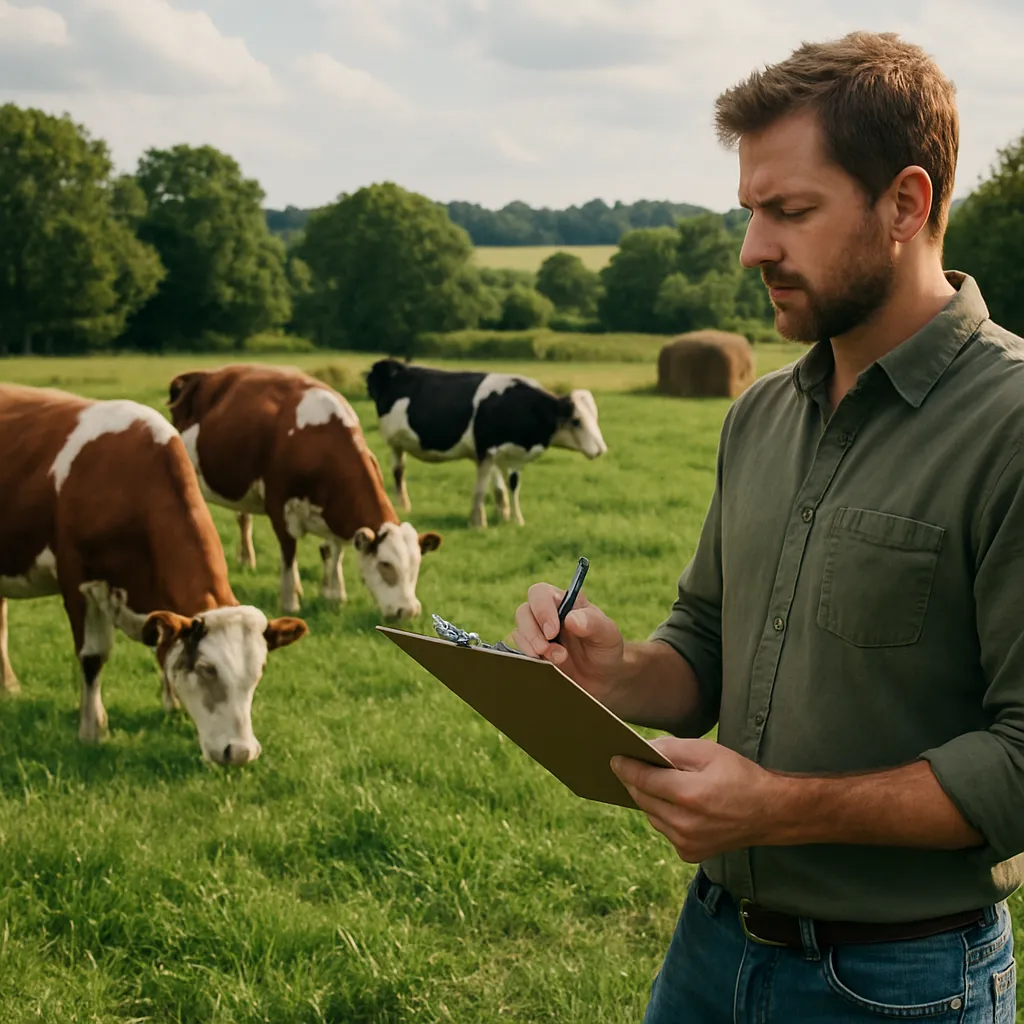
- Record daily feed intake and refusals to calculate actual consumption.
- Weigh representative cohorts of animals at regular intervals.
- Track veterinary treatments and morbidity rates to spot nutrition-related issues.
- Adjust mineral and vitamin supplementation based on seasonal forage testing.
Utilize simple farm-management software or even spreadsheet tools to chart trends. When performance dips or feed costs spike, conduct a root-cause analysis. It may involve re-evaluating ingredient prices, sourcing new byproducts, or revising the ratio of concentrates to roughage.
Building long-term resilience
- Create contingency feed stocks for drought or supply chain disruptions.
- Rotate feed ingredients to prevent mycotoxin buildup and palatability fatigue.
- Invest in on-farm forage conservation techniques like baleage or haylage.
- Train staff on precise mixing, measuring, and feed hygiene practices.
By fostering a culture of resilience and agility, farms can adapt swiftly to external pressures. This approach underpins the economic viability of livestock enterprises and safeguards the surrounding ecosystem from overexploitation.