Effective farm management increasingly relies on integrating technology into daily operations. Adopting digital tools for record-keeping not only streamlines administrative tasks but also unlocks insights that drive informed decisions. Below are targeted strategies to help agricultural professionals transition from paper logs to a modernized, data-driven workflow.
Harnessing the Power of Digitization in Farming
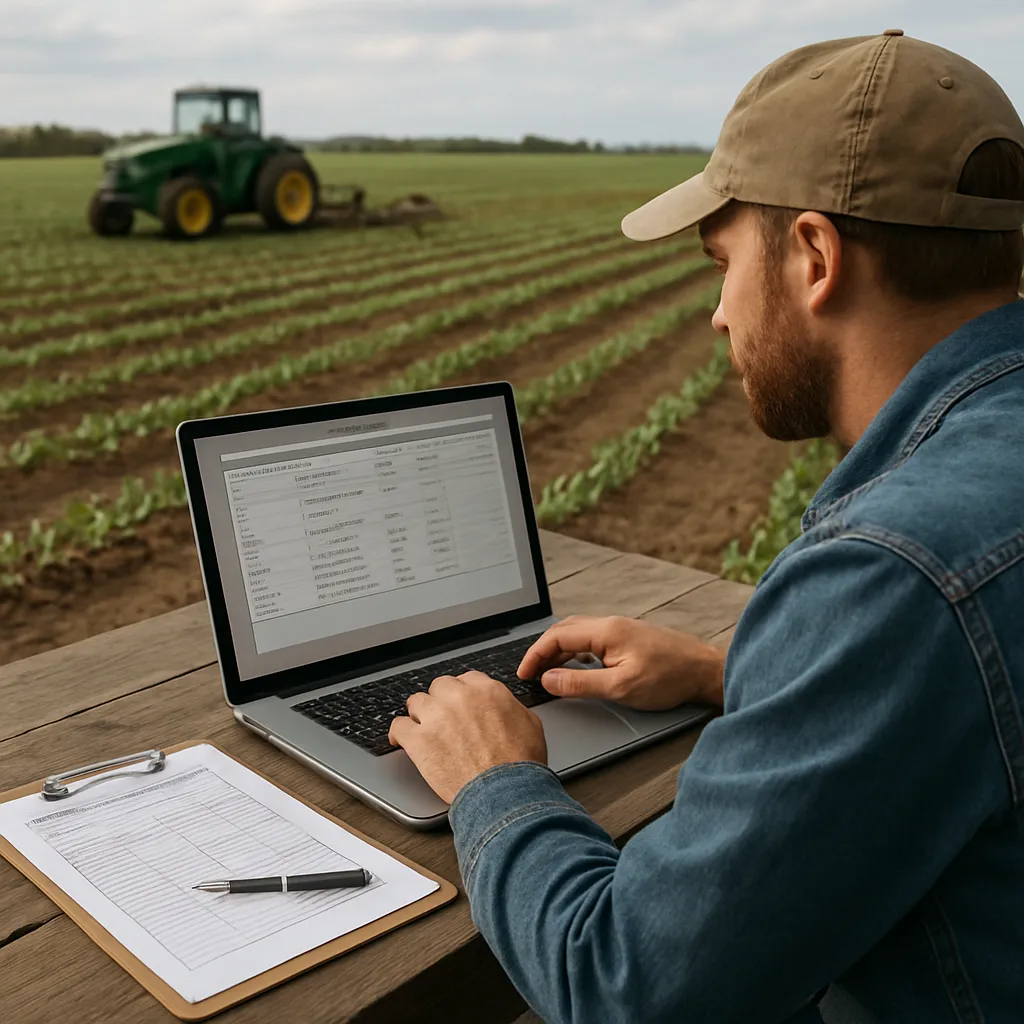
Transitioning from manual logs to digital records is more than a simple process change—it nurtures a culture of efficiency and accountability. Digital systems eliminate misplaced notebooks, ink smudges, and illegible handwriting, while ensuring that every transaction, treatment, and yield estimate is timestamped and retrievable. With proper implementation, farmers can monitor variables such as soil health, water usage, and weather patterns seamlessly. The ability to review historical data in seconds fosters continuous improvement and elevates overall farm performance.
- Data integrity: Digital platforms ensure entries are consistent, auditable, and free from transcription errors.
- Scalability: As operations grow, electronic records easily accommodate new fields, livestock, or production lines.
- Compliance: Regulatory audits become less stressful when inspection-ready reports are a click away.
Selecting an Optimal Record-Keeping Platform
Choosing the right software suite is a pivotal step. The market offers a spectrum of options—from specialized apps for crop management to comprehensive farm management systems. Key criteria to evaluate include:
- Cloud-based vs. on-premise: Cloud solutions provide real-time access from mobile devices, while on-premise deployments may suit farms with limited internet connectivity.
- Software selection aligned with farm complexity: Small operations may prefer simple, user-friendly apps; larger enterprises often require modular platforms that integrate finance, HR, and audit modules.
- Vendor support and updates: Reliable customer service and regular feature enhancements ensure the system stays relevant.
Engage stakeholders—farm managers, field workers, accountants—to trial demos. Gather feedback on interface intuitiveness and essential features like geo-mapping, sensor integration, and report generation. A well-chosen system lays the groundwork for a smooth adoption curve.
Implementing Effective Data Collection and Management
Accurate data capture is fundamental. Whether logging pesticide applications or tracking feed consumption, follow these guidelines:
- Standardize nomenclature: Use consistent naming for fields, assets, and inputs to avoid duplicate entries or confusion.
- Leverage mobile devices: Equip field staff with tablets or smartphones preloaded with custom forms. Offline capabilities ensure uninterrupted data entry in remote zones.
- Integrate IoT sensors: Connect soil moisture probes, weather stations, and livestock monitors to your platform. Automated readings reduce manual labor and enhance real-time visibility.
- Implement routine backups: Schedule daily or hourly backups to local drives and secure cloud repositories. This practice protects against hardware failures and accidental deletions.
By establishing robust procedures for data intake, farms safeguard against information gaps that compromise decision-making.
Ensuring Robust Security and Accessibility
With sensitive financial and operational data stored digitally, security becomes non-negotiable. Follow these measures to fortify your system:
- Multi-factor authentication: Require secondary verification for user logins to prevent unauthorized access.
- Role-based permissions: Limit data visibility based on job responsibilities. For instance, field workers might view only task-specific entries, whereas managers access financial summaries.
- Encrypted communication: Ensure all data in transit and at rest is encrypted using industry-standard protocols (e.g., AES-256, TLS).
- Audit trails: Maintain comprehensive logs of user actions, including timestamps and IP addresses, to detect anomalies and support compliance audits.
Equally important is ensuring accessibility for authorized personnel. Implement responsive dashboards and mobile-friendly interfaces so critical metrics are available anywhere, anytime.
Driving Value with Advanced Analytics and Automation
Once a digital foundation is in place, capitalize on analytics and automation to elevate farm productivity:
- Predictive analytics: Use historical yield and weather data to forecast optimal planting dates, irrigation schedules, and harvest windows.
- Automated alerts: Configure threshold-based notifications for soil moisture levels, livestock health indicators, or equipment maintenance due dates.
- Supply chain optimization: Track inventory of seeds, fertilizers, and feed in real time to avoid stockouts or overstock situations.
- Integration with financial tools: Sync expense records and revenue streams with bookkeeping software to streamline budgeting and tax reporting.
These advanced capabilities transform raw data into actionable intelligence, empowering farm operators to react swiftly to emerging challenges and capitalize on opportunities.
Continuous improvement
Farm digitization is not a one-time project but an evolving journey. Periodically review system performance, solicit user feedback, and stay informed about emerging technologies—such as AI-driven crop diagnostics or blockchain-enabled traceability. By embracing a mindset of ongoing refinement, your farm will remain at the forefront of agricultural innovation.