Embarking on the journey of establishing a vineyard from scratch calls for dedication, research, and strategic planning. Whether you dream of producing award-winning wines or cultivating grapes for personal consumption, understanding the core principles of vineyard creation will pave the way for a thriving operation. This guide delves into site selection, land preparation, cultivation practices, and the harvest process—all essential steps to build a flourishing vineyard.
Choosing the Perfect Location
Finding an ideal spot to grow grapes involves more than just available land. Several environmental factors play a critical role in determining vine vigor and fruit quality.
Climate and Sunlight
- Grapevines require ample sunlight—minimum six to eight hours per day—to drive photosynthesis and promote sugar accumulation in berries.
- Regions with warm days and cool nights enhance acidity balance and flavor complexity. Monitor local temperature fluctuations, frost risk, and heat spells.
Soil Composition and Drainage
- Well-drained soils prevent root waterlogging and diseases. Sandy loam and gravelly soils often perform best, but clay soils can be improved with organic amendments.
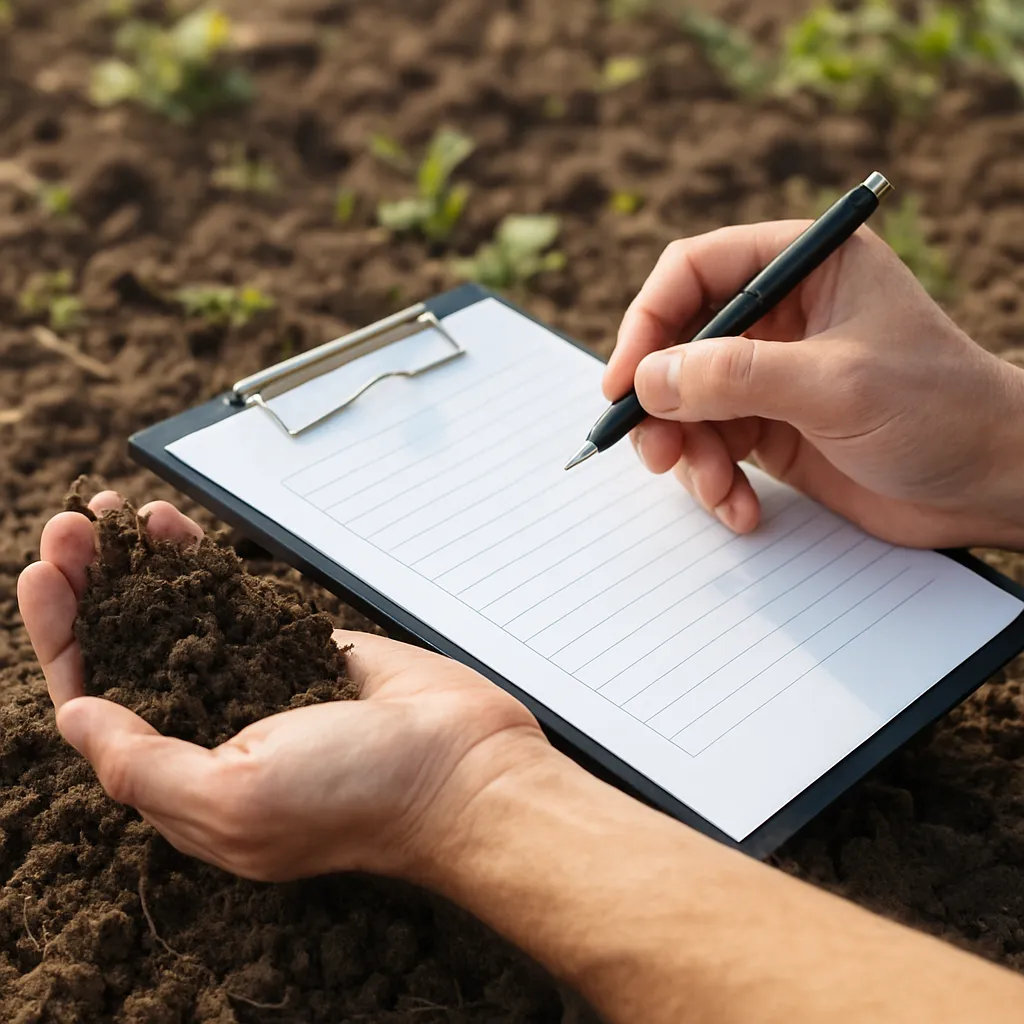
- Check soil pH, aiming for a slightly acidic to neutral range (5.5–7.0). Conduct a soil test to assess nutrient levels and structure before planting.
Water Availability and Irrigation
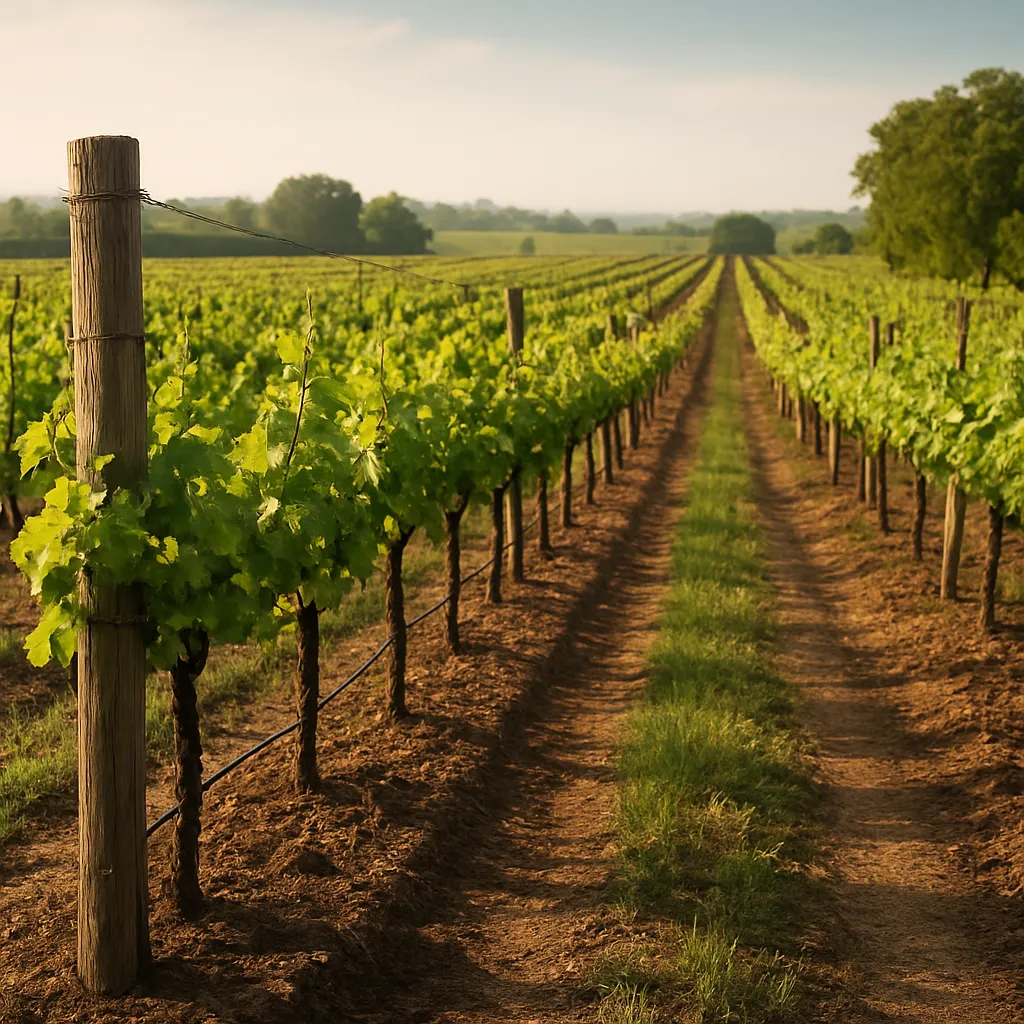
- Consistent water supply is vital during establishment and fruit set. Plan for irrigation systems such as drip lines to conserve water and control moisture precisely.
- Assess groundwater levels and potential drought periods. Investing in a reliable water source ensures vines remain healthy through dry spells.
Preparing the Land and Planting
Once you’ve chosen the site, transform the raw land into a productive vineyard by tackling soil enhancements, row orientation, and rootstock selection.
Land Clearing and Soil Improvement
- Remove weeds, rocks, and debris. Maintain ground cover or mulch to reduce erosion and improve organic content.
- Incorporate compost or well-rotted manure to enrich the topsoil. Add lime or sulfur based on soil test recommendations to adjust pH.
Row Direction and Spacing
- Orient rows north–south to maximize sun exposure and air circulation, reducing disease pressure.
- Determine vine spacing (typically 1.5–3 meters apart) and row width for optimal canopy development and machinery access.
Selecting Varieties and Rootstocks
- Choose grape varieties suited to your climate and wine style goals (e.g., Cabernet Sauvignon for warm regions, Riesling for cooler areas).
- Use disease-resistant rootstocks to combat phylloxera and soil-borne pathogens while matching vigor levels to soil fertility.
Planting Technique
- Plant vines during dormancy (late winter to early spring). Dig holes slightly larger than root balls, and position graft unions above soil level.
- Water young vines deeply after planting. Apply mulch or protective tubes to shield buds from late frosts and animal browsing.
Vineyard Management and Maintenance
Maintaining a vineyard demands regular attention to vine health, structural support, and pest management.
Trellising and Canopy Training
- Install robust posts and wires to support vine growth. Common systems include VSP (Vertical Shoot Positioning) and Geneva Double Curtain.
- Train shoots to the trellis early in the season, ensuring an open canopy that promotes light penetration and air flow.
Pruning and Shoot Thinning
- Perform winter pruning to balance vegetative growth with fruit yield. Remove excess canes, leaving renewal spurs for next year’s growth.
- Conduct summer shoot thinning to reduce overcrowding, focusing resources on high-quality clusters and minimizing disease risk.
Irrigation and Nutrient Management
- Implement a scheduled drip irrigation system. Monitor soil moisture levels and adjust irrigation to prevent stress or waterlogging.
- Apply fertilizers based on leaf analysis and soil tests. Focus on nitrogen, phosphorus, and potassium balance to support root development and fruit set.
Pest and Disease Control
- Common threats include powdery mildew, downy mildew, and grapevine moths. Scout regularly and apply organic or synthetic treatments as needed.
- Promote biodiversity—cover crops and insectary plants can attract beneficial predators to reduce pest pressure naturally.
Sustainable Practices
- Incorporate cover cropping, minimal tillage, and integrated pest management to foster a healthy ecosystem.
- Reduce chemical inputs by opting for resistant varieties and biological sprays, enhancing your vineyard’s long-term viability and sustainability.
Harvesting and Beyond
The culmination of meticulous vineyard work arrives at harvest. Proper timing and handling ensure grapes reach the winery in prime condition.
Determining Ripeness
- Measure sugar levels (°Brix), acidity, and flavor development. Aim for the ideal balance that matches your wine style.
- Sample multiple clusters across the vineyard to account for microclimate variations and ensure uniform ripeness.
Harvest Techniques
- Choose between hand-picking for selective quality or machine harvesting for speed in large blocks.
- Keep harvested grapes cool and process them quickly to avoid oxidation and spoilage.
Post-Harvest Vineyard Care
- After harvest, maintain irrigation until leaf fall. Conduct post-harvest pruning to manage vine energy reserves.
- Implement winter cover crops to protect soil structure, add organic matter, and suppress weeds prior to the next season.
Marketing and Farm Profitability
- Develop a brand identity, tasting room experiences, and direct-to-consumer channels. Engage customers through vineyard tours and events.
- Analyze cost structures, pricing strategies, and distribution networks to maximize profitability and ensure your vineyard thrives in a competitive market.