Local festivals bring communities together to celebrate the harvest season, and nothing symbolizes autumn quite like pumpkins. Successful cultivation of these vibrant gourds requires careful attention to soil health, variety selection, pest management, and presentation techniques. This guide outlines essential practices for farmers and gardeners aiming to produce impressive pumpkins that will stand out at local fairs, parades, and market booths.
Key Varieties for Festival Cultivation
Choosing the right pumpkin variety is the first step toward a bountiful harvest. Different shapes, sizes, and colors appeal to diverse festival themes. Consider these popular types:
- Atlantic Giant: Famous for record-breaking weight, ideal for giant pumpkin contests.
- Jack-Be-Little: Miniature pumpkins perfect for decorative centerpieces and craft tables.
- Cinderella (Rouge Vif d’Etampes): Deep reddish-orange, flattened shape evokes fairy-tale charm.
- Howden: Classic carving pumpkin with sturdy walls and uniform shape.
- Musquee de Provence: Knobbly, dark-tan skin; prized for its rich flavor and rustic look.
Each variety demands slightly different care. Giant types need more space and consistent watering, while smaller cultivars can thrive in less expansive plots or even large containers.
Optimizing Soil Health and Planting Practices
Soil Composition and Preparation
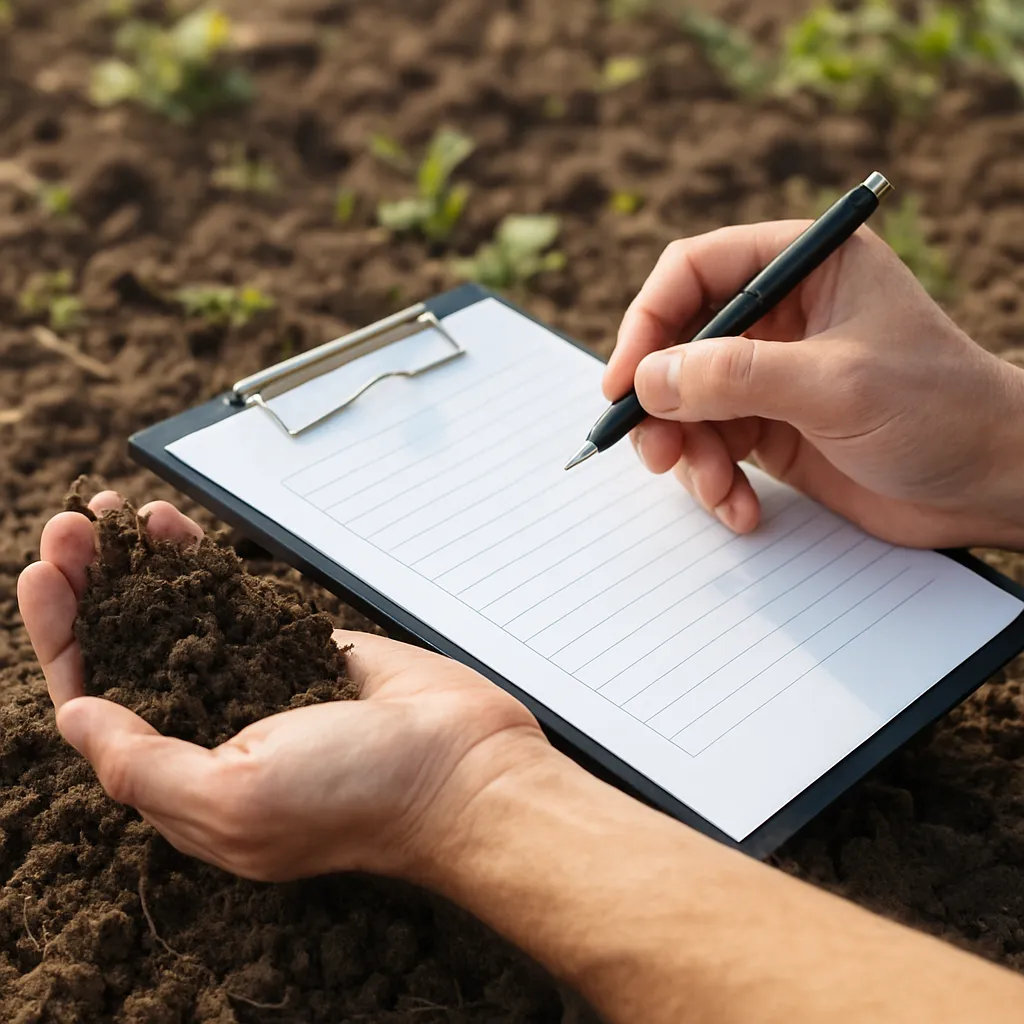
Pumpkins flourish in well-drained loamy soil with a pH between 6.0 and 6.8. Before planting, perform a soil test to assess nutrient levels. Incorporate plenty of organic matter—such as aged compost or well-rotted manure—to enhance structure and fertilization efficiency. Raised beds can improve drainage in heavier soils.
Planting Strategies
- Sow seeds outdoors only after threat of frost has passed and soil temperature reaches at least 18°C (65°F).
- Space hills 1.5 to 3 meters apart, depending on variety size. For Atlantic Giant, allow maximum spacing to prevent vine competition.
- Plant two to three seeds per hill, thinning to the strongest seedling once true leaves appear.
- Use ridge or mound planting to improve runoff and soil warmth, especially in cooler climates.
Ensure each planting station receives ample sunlight—pumpkins need at least eight hours per day to drive robust growth and pollination.
Protecting Your Crop from Pests and Diseases
Common Pests and Organic Control Methods
Pumpkin vineyards attract pests like squash bugs, vine borers, and aphids. Implement these integrated pest management (IPM) tactics:
- Handpick eggs and nymphs from leaf undersides early in the morning.
- Apply row covers until flowering to block adult insects, then remove covers for pollinators.
- Encourage beneficial insects—ladybugs, lacewings—by planting companion species such as marigolds or sweet alyssum.
- Use organic-approved neem oil or insecticidal soaps when infestations exceed threshold levels.
Disease Resistance and Crop Rotation
Powdery mildew, downy mildew, and bacterial wilt can devastate a patch. Select disease-resistant hybrids if available. Practice a minimum three-year crop rotation to disrupt pathogen life cycles. Improve air circulation by trimming excess foliage and spacing vines adequately. Mulch around stems with straw or black plastic to minimize soil splash and moisture retention that favor fungal development.
Irrigation and Nutrient Management
Consistent water delivery is critical. Drip or soaker hose systems ensure deep root hydration while reducing foliage wetness that promotes fungal outbreaks. Aim for 2.5 to 5 cm of water per week, adjusting based on rainfall and soil moisture monitoring.
- Apply a balanced fertilizer (e.g., 10-10-10) at planting, then side-dress with high-nitrogen feed when vines begin to run.
- Switch to a phosphorus- and potassium-rich formula as fruit sets to boost rind strength and sweetness.
- Monitor leaf color and growth rate to identify nutrient deficiencies early.
Proper irrigation paired with timely nutrient applications will maximize yield and fruit quality.
Harvesting Strategies and Festival Presentation
Timing and Techniques
Harvest pumpkins when their skins have hardened and stems begin to dry. Cut fruit from the vine with a short section of stem intact to prolong storage life and maintain an appealing appearance. Avoid lifting by handles, as stems can detach easily, leaving the fruit vulnerable to rot.
Post-Harvest Handling
- Cure harvested pumpkins in a warm, dry area (around 25°C) for two weeks to fully develop color and toughen rinds.
- Store at 10–15°C with moderate humidity to prevent shriveling and decay.
- Inspect regularly for soft spots or mold, removing any compromised specimens promptly.
Creative Display Ideas
At festivals, presentation is nearly as important as cultivation. Consider community engagement by:
- Organizing a “Pumpkin Walk” where families can choose and personalize gourds with eco-friendly paints or carvings.
- Hosting weight competitions for giant specimens, complete with scales and prize ribbons.
- Setting up interactive booths that demonstrate planting and care techniques, inspiring future growers.
Marketing and Building Sustainable Relationships
Local festivals offer prime venues for direct-to-consumer sales. Leverage signage highlighting your farm’s eco-friendly practices, such as organic amendments and water conservation. Engage visitors with storytelling—share the journey from seed to festival, emphasizing sustainability and the hard work behind each pumpkin.
- Create branded baskets or gift sets with mini pumpkins and recipe cards for pumpkin-based dishes.
- Partner with local chefs or artisan vendors to demonstrate culinary uses, enhancing perceived value.
- Collect feedback through onsite surveys, refining future planting strategies and marketing approaches based on consumer preferences.
Building a reputation for quality and transparency will foster lasting support, ensuring robust attendance and sales at future events.