An effective farm strategy hinges on a well‐structured crop rotation plan that nurtures the land, optimizes yields and minimizes environmental impact. By cycling different plant families, growers can balance nutrients, disrupt pests and diseases, enhance soil structure and promote biodiversity. This guide outlines a step‐by‐step approach to designing, implementing and refining a rotation schedule suited to a variety of climates, scales and market goals.
Understanding Crop Rotation Principles
Rotation is more than a calendar exercise: it is an agronomic tool rooted in ecological interactions. Every crop family interacts uniquely with soil biota, nutrient cycles and local pest communities. By alternating cereals, legumes and cover crops, producers foster an equilibrium that sustains long‐term productivity and sustainability.
Key Benefits
- Soil Health: Diverse root structures improve soil tilth, reduce compaction and increase organic matter.
- Nutrient Management: Legumes fix atmospheric nitrogen, reducing synthetic fertilizer needs for subsequent crops.
- Pest and Disease Control: Host‐specific pathogens and insects are starved out when their favored crop is absent.
- Weed Suppression: Varying growth habits and canopy covers limit sunlight for different weed species.
Rotation Categories
Producers often divide rotations into major groups:
- Cereals (e.g., wheat, barley, maize)
- Legumes (e.g., beans, peas, clover)
- Oilseeds (e.g., canola, sunflower)
- Roots and Tubers (e.g., potatoes, carrots)
- Cover Crops and Green Manures (e.g., rye, vetch)
Designing a Crop Rotation Plan
Every planning stage should begin with a detailed assessment of current conditions and goals. Consider climate, soil type, water availability and market demand. Use this data to craft rotations that optimize resource use and mitigate risk.
Step 1: Soil and Field Evaluation
- Collect soil samples for texture, pH, organic matter and nutrient levels.
- Map fields by slope, drainage patterns and erosion risk.
- Identify problem areas (salinity, compaction) for targeted remedies.
Step 2: Selecting Crop Sequences
Choose a multi‐year cycle, usually spanning 3–6 years, with each phase serving a specific function:
- Restorative phase (cover crop or fallow to rebuild soil organic matter)
- Primary cash crop (high‐value cereal or oilseed)
- Replenishing crop (legume or deep‐rooted species to recover subsoil nutrients)
- Break crop (roots or vegetables to disrupt pest life cycles)
Step 3: Balancing Nutrient Flows
Estimate nutrient exports by each crop and balance with inputs from organic amendments or fertilizers. A typical rotation might follow wheat with a legume green manure, then maize, and finish with a cover crop. This sequence enhances nitrogen availability and reduces phosphate fixation.
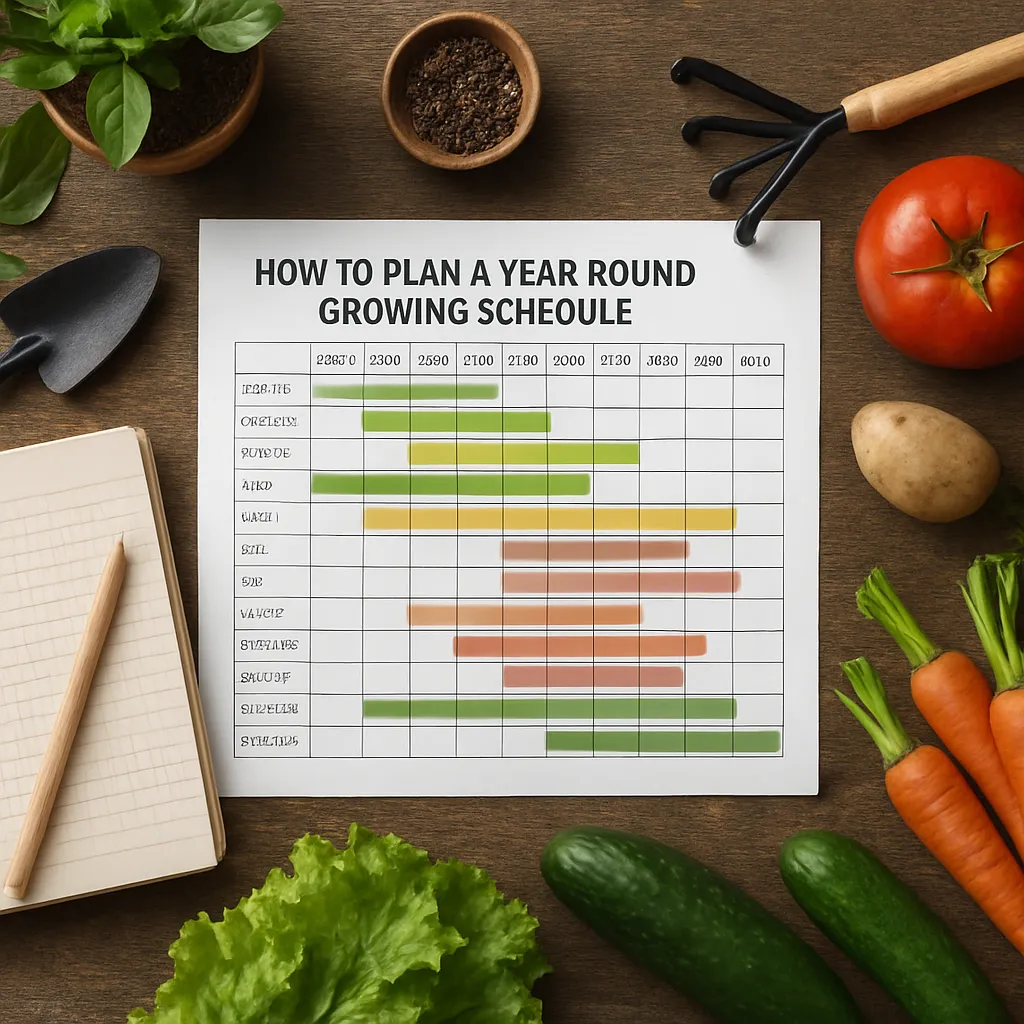
Step 4: Allocating Land and Timing
Draw a field map and assign rotation phases to plots. Stagger planting and harvesting windows to maximize labor and equipment usage. Incorporate buffer zones, grassed waterways and hedgerows to support ecosystem services.
Implementing and Managing the Rotation
Execution requires attention to detail, agronomic best practices and ongoing monitoring. Regularly inspect crops, pests and soil parameters to detect imbalances early.
Planting Techniques
- Adjust seeding depth, rate and row spacing to match each crop’s root characteristics.
- Use precision seeders and GPS mapping to ensure uniform stands.
- Intercrop cover species where appropriate to maintain continuous ground cover.
Pest and Disease Scouting
Implement an integrated pest management plan. Rotate crop families to interrupt insect lifecycles. Use pheromone traps, sweep nets and sticky cards to monitor populations. Where thresholds are exceeded, apply targeted biological or chemical controls.
Fertilization and Amendments
Base fertilizer applications on soil test recommendations for each rotation phase. Incorporate compost or manure in restorative phases to boost organic matter. Foliar feeds can supplement micronutrients during critical growth stages.
Weed Control
- Mechanical weeding between rows for early stages.
- Cover crop residues to suppress summer annuals.
- Strategic herbicide use, rotated by mode of action to prevent resistance.
Adapting and Evolving the Plan
An effective rotation remains dynamic. Continuous adaptation based on performance data ensures resilience against weather extremes, market shifts and emerging pests.
Recordkeeping and Analysis
- Track yields, input costs and soil test results annually.
- Analyze trends to identify high‐performing sequences or problematic phases.
- Adjust crop order, timing or species based on findings.
Incorporating New Technologies
Precision agriculture tools—drones, soil moisture sensors, variable‐rate applicators—can refine inputs and improve decision‐making. Use digital field maps to update rotation plans in real time.
Stakeholder Engagement
Share results with agronomists, extension services and neighboring growers. Collaborative trials of novel cover crops or alternative break crops can accelerate learning and strengthen regional sustainability.
By following these steps—grounded in science, supported by data and flexible to change—farmers can implement a robust crop rotation plan that cultivates soil fertility, controls pests and enhances long‐term profitability.