Integrating locally sourced compost into farming practices offers numerous advantages that extend beyond immediate crop yields. By focusing on the origin and composition of organic amendments, growers can foster healthier soils, reduce environmental impact, and strengthen regional economies. This article explores core benefits, illustrating how on-site or nearby compost operations enhance soil quality, promote sustainability, and empower rural communities.
Enhancing Soil Health and Fertility
Healthy soil forms the foundation of productive agricultural systems. Applying locally sourced compost improves multiple soil attributes, enriching the land with essential nutrients and vital microorganisms. Unlike synthetic fertilizers that supply only a narrow spectrum of elements, compost delivers a balanced array of minerals, organic matter, and beneficial microbes.
Building Organic Matter and Nutrient Cycling
Organic matter acts as the lifeblood of fertile soils, fostering the slow release of nutrients. When farmers use locally produced compost, they tap into a rich, diverse matrix of carbon compounds that gradually decompose, feeding plants throughout the growing season. This process enhances soil cation exchange capacity, ensuring key ions like potassium, calcium, and magnesium remain available to crops.
Promoting Soil Structure and Aeration
The addition of compost aids in the creation of stable soil aggregates, improving overall structure and porosity. Well-structured soil facilitates root penetration, enabling plants to access moisture and nutrients more effectively. Enhanced aeration also fosters the proliferation of beneficial microorganisms that drive decomposition and release plant-available elements.
Enhancing Water Retention and Drought Resilience
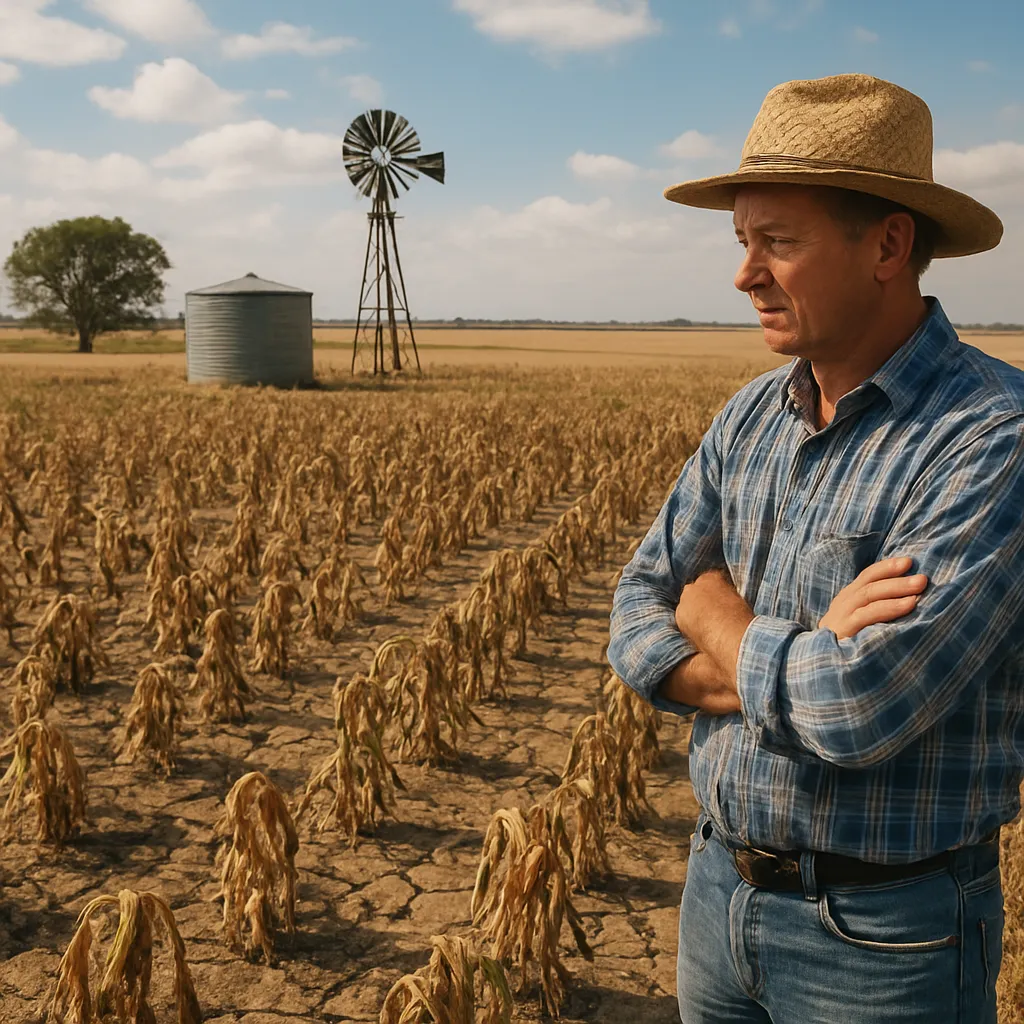
Compost-amended soils exhibit superior water retention due to increased organic matter content. This characteristic reduces irrigation frequency and buffers crops against periods of dry weather. When rainfall is scarce, roots in compost-enriched fields can still draw moisture from micro-pores within soil aggregates, bolstering overall resilience during droughts.
Reducing Environmental Impact
Sustainable farming prioritizes minimal environmental footprint. By sourcing compost locally, producers mitigate greenhouse gas emissions, curb waste disposal pressures, and promote resource efficiency.
Lowering the Carbon Footprint of Inputs
Transportation of agricultural inputs often accounts for substantial fossil fuel consumption and associated emissions. Opting for locallycompost dramatically reduces travel distances. This practice trims the carbon footprint of soil amendments, aligning with climate-smart agriculture goals. Additionally, diverting organic waste from landfills to composting facilities avoids methane emissions generated by anaerobic decomposition.
Closing the Nutrient Loop
Many rural communities produce significant volumes of plant residues, livestock manures, and food scraps. Transforming these wastes into high-quality compost closes nutrient loops, returning nutrients to fields rather than relying on imported fertilizers. This circular approach ensures continuous recycling of organic matter, reducing the need for nonrenewable mineral inputs and preserving ecosystem balance.
Mitigating Erosion and Runoff
Compost-enhanced soils develop stronger aggregate cohesion, which curbs topsoil erosion by wind and water. Robust surface structure resists crust formation, allowing rainwater to infiltrate rather than run off. Reduced runoff diminishes sediment and agrochemical losses to nearby waterways, safeguarding water quality and aquatic ecosystems.
Supporting Local Economies and Community
Utilizing locallycompost fosters regional development. Investments in small-scale composting operations create jobs while reinforcing social ties between producers, consumers, and waste managers.
Creating New Revenue Streams
Farmers and entrepreneurs can establish on-farm or community composting facilities, turning organic residues into valuable amendments. These ventures generate additional income through the sale of premium compost, while reducing costs associated with waste disposal. As demand for high-quality, sustainable soil conditioners grows, so do opportunities for innovative service models, such as neighborhood collection programs and bulk delivery.
Strengthening Food and Farm Networks
Local compost systems foster collaborative relationships among growers, municipal authorities, and residents. Community-supported agriculture programs often integrate compost exchanges, where customers return kitchen scraps in exchange for farm compost. Such reciprocity cements trust, raises awareness of soil health, and deepens consumer engagement in sustainable practices.
Encouraging Education and Skill Development
Compost training workshops, demonstrations, and field days empower farmers and citizens with hands-on knowledge. Understanding the science behind organic matter decomposition, microbial succession, and application rates equips participants with practical skills. Educated practitioners can optimize compost recipes for specific soil types, crops, and climatic conditions, ensuring consistent results and continuous improvement.
Integrating Compost into Diverse Farming Systems
Whether applied in large-scale row cropping, specialty vegetable operations, or urban gardens, locallycompost delivers versatile benefits. Tailoring application methods to unique contexts maximizes returns and aligns with producer goals.
Bulk Application in Field Crops
For grains and oilseeds, pre-plant incorporation of compost at rates of 5 to 20 tons per acre can boost soil health over multiple seasons. Rotational spreading during fall or spring ensures nutrients are available at critical growth stages. Combined with cover cropping, this approach sustains yield increases and fosters ecological balance.
Raised Beds and Specialty Vegetables
Home gardeners and market growers often rely on raised beds enriched with compost to cultivate nutrient-demanding crops like tomatoes, peppers, and leafy greens. Mix ratios of 30–40% compost by volume in planting media deliver rapid growth spurts, improved fruit quality, and robust root systems. Periodic side-dressings further enhance fertility throughout the season.
Permaculture and Regenerative Practices
In systems centered on long-term ecological health, compost plays a pivotal role. Mulching pathways with compost inhibits weeds, feeds soil over time, and fosters beneficial insect habitats. Combining compost with biochar or vermicompost elevates microbial diversity, strengthening the soil food web and advancing true sustainability.
Overcoming Challenges and Ensuring Quality
While the merits of locallycompost are clear, producers must navigate potential hurdles to maintain high product standards and regulatory compliance.
Ensuring Proper Curing and Maturity
Immature compost may contain phytotoxic compounds or ammonia residues that inhibit plant growth. Adhering to recommended windrow or static-pile temperatures (131°F–149°F) for sufficient durations ensures pathogen reduction and complete decomposition. Simple tests, such as germination bioassays or odor assessments, help confirm compost maturity before field application.
Balancing Input Materials
Effective compost mixes require the right carbon-to-nitrogen ratios (ideally between 25:1 and 35:1). Overloading with high-carbon residues, such as wood chips, can slow decomposition, while excess nitrogen sources may cause odor issues. Careful ingredient selection, layering, and moisture monitoring guarantee optimal microbial activity and end-product consistency.
Adhering to Regulatory Standards
Regions may enforce guidelines for pathogen and heavy-metal limits in compost products. Producers should document feedstock origins, maintain process records, and conduct periodic analyses. Certification under recognized programs boosts consumer confidence and unlocks new markets, ensuring that compost users receive safe, effective amendments.
Conclusion
Embracing locallycompost strengthens soil properties, mitigates environmental impacts, and invigorates community resilience. As farmers and stakeholders rally around sustainable agricultural solutions, integrating compost into diverse production models emerges as a keystone strategy. Through careful management, quality assurance, and collaborative networks, the full potential of on-site and regional composting can be realized—nurturing vibrant soils, thriving ecosystems, and prosperous local economies.