Embarking on a journey to develop a regenerative farm business model requires a harmonious blend of ecological stewardship, financial planning, and community collaboration. A truly regenerative approach goes beyond simply sustaining resources—it aims to restore ecosystems, enhance biodiversity, and improve soil health. By integrating innovative techniques and strategic frameworks, producers can build a resilient enterprise that delivers environmental, social, and economic benefits.
Defining Your Regenerative Vision and Goals
Before making any major investments or operational changes, it’s essential to outline a clear vision and set of objectives. Your regenerative farm should embody a commitment to long-term sustainability and the revitalization of natural systems. This initial phase involves:
- Assessing the current condition of your land—soil composition, water availability, and existing biodiversity.
- Identifying key performance indicators, such as improved soil health metrics, water retention rates, and wildlife habitat expansion.
- Engaging stakeholders—family members, local communities, and potential investors—to align expectations and cultivate community engagement.
By framing your goals around measurable outcomes, you’ll create a roadmap that guides every aspect of your business model. A detailed mission statement can reinforce the farm’s identity as a regenerative pioneer in the agricultural sector.
Designing Core Regenerative Practices
The heart of a regenerative farm lies in the adoption of practices that work with, rather than against, nature’s processes. Consider these foundational techniques:
Integrating Crop Rotation and Polycultures
Rotating crops and planting diverse species together can break pest and disease cycles while enhancing nutrient cycling. A well-planned crop rotation schedule might include legumes to fix nitrogen followed by deep-rooting grains to draw nutrients upward. Polyculture systems mimic natural ecosystems and foster greater biodiversity.
Implementing Cover Crops and Green Manures
Cover crops protect soil from erosion, suppress weed growth, and build organic matter. By using green manures—non-harvested crops turned back into the soil—you can replenish vital nutrients and improve water infiltration rates.
Adopting Holistic Grazing Management
For livestock operations, holistic or rotational grazing cycles can prevent overgrazing and encourage grassland recovery. When animals are moved frequently, plant root systems regenerate, increasing carbon sequestration and enhancing pasture productivity.
- Set up grazing paddocks to control stocking density.
- Monitor vegetation recovery over time using simple metrics like sward height and ground cover percentage.
- Adjust grazing intervals based on seasonal growth patterns and weather conditions.
Building Financial Resilience
A regenerative farm must balance ecological objectives with robust financial planning. Diversification and inventive revenue models can safeguard profitability:
Crafting Multiple Revenue Streams
Relying solely on commodity sales can expose your operation to market volatility. Consider alternative streams such as:
- Value-added products—jams, cheeses, or artisanal oils.
- On-farm agritourism—workshops, pick-your-own events, or farm stays.
- Subscription models—Community Supported Agriculture (CSA) boxes delivered directly to customers.
By mixing traditional produce sales with experiential and value-added offerings, you create stronger revenue streams and deepen consumer loyalty.
Accessing Grants and Green Financing
Numerous government programs, non-profit organizations, and financial institutions offer incentives for regenerative agriculture. Examples include:
- Grants for soil conservation and water quality improvements.
- Low-interest loans tied to carbon sequestration goals.
- Partnerships with impact investors seeking environmental returns.
Developing a compelling proposal that highlights your farm’s ecological benefits can unlock crucial resources to scale operations.
Strengthening Stakeholder Relationships and Marketing
Effective stakeholder management and communication are vital for long-term success. Focus on:
Engaging the Local Community
Building trust with neighbors, civic groups, and educational institutions fosters a supportive network. Host open days, school tours, or volunteer plantings to demonstrate how regenerative practices benefit both the land and the wider community.
Creating an Authentic Brand Story
Consumers increasingly seek transparency and purpose-driven products. Articulate your farm’s journey toward regeneration—highlight soil restoration milestones, wildlife habitat creation, and contributions to carbon drawdown. Use social media, newsletters, and on-package labels to reinforce your unique value proposition.
- Show real-time progress through farm diaries or video updates.
- Partner with chefs, retailers, and local influencers to amplify your message.
- Leverage certifications—such as organic, biodynamic, or regenerative labels—to validate your approach.
Measuring Impact and Continuous Improvement
To ensure your regenerative farm business model remains adaptive and evidence-based, consistent monitoring and evaluation are crucial. Establish a framework for data collection and analysis:
Setting Up Baseline Assessments
Begin with comprehensive tests for soil carbon, pH, nutrient levels, and microbial activity. Document baseline wildlife counts, water quality parameters, and greenhouse gas emissions.
Tracking Progress Over Time
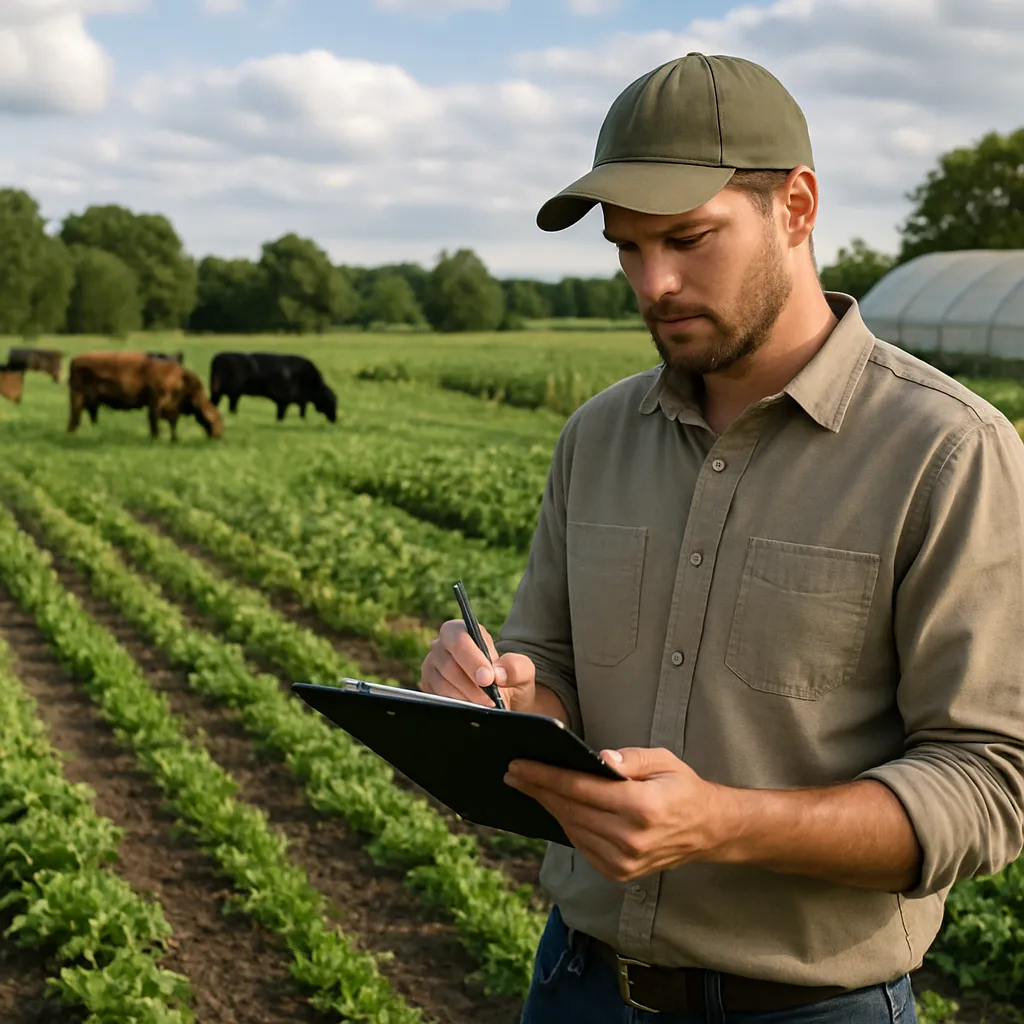
Implement a regular schedule for field assessments—quarterly soil tests, seasonal biodiversity surveys, and annual financial audits. Utilize simple digital tools or mobile apps for data entry, allowing for real-time insights.
Adapting through Feedback Loops
Analyze collected data to identify successes and challenges. If a particular cover crop mix underperforms or livestock density is too high, adjust practices accordingly. Continuous iteration ensures your farm remains at the cutting edge of sustainability and productivity.
Fostering Strategic Partnerships
Collaborations can accelerate your learning curve, lower costs, and open new channels for growth. Consider alliances with:
- Research institutions—trial innovative regenerative techniques under scientific guidance.
- Local cooperatives—share equipment, marketing platforms, or distribution networks.
- Non-governmental organizations—tap into training resources and community projects.
By leveraging the expertise of others, you enhance your farm’s resilience while contributing to a broader regenerative movement.
Careful integration of ecological principles, solid financial structures, and stakeholder collaboration can transform a farm into a thriving hub of sustainability and innovation. As you move forward, let the core tenets of regeneration—increasing biodiversity, enriching soil, and bolstering local economies—guide every decision toward a prosperous and resilient future.