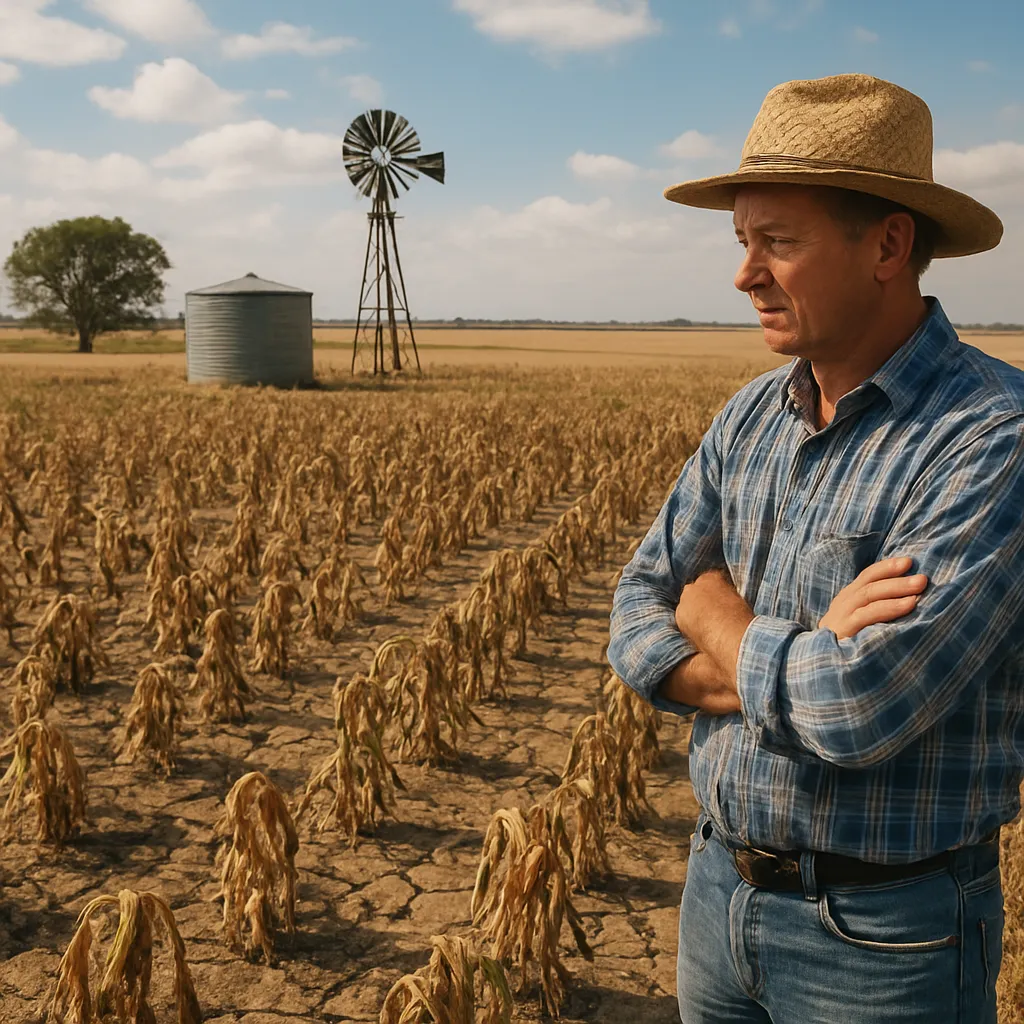
Harnessing rainwater offers farmers an innovative approach to enhance water security and promote sustainability on their land. By capturing runoff from rooftops, pavements, or specially designed catchment areas, agricultural operations can reduce reliance on external water sources and buffer against drought. As climate variability intensifies, integrating a well-designed rainwater harvesting system into your farm infrastructure not only conserves resources but also boosts efficiency, lowers costs, and supports a more resilient agroecosystem.
Selecting and Preparing Your Catchment Area
The foundation of any rainwater harvesting project lies in the quality and design of the catchment surface. Most farmers tap into existing structures—barn roofs, greenhouse coverings, or sheds—to collect runoff. However, ground-based catchments or specially constructed concrete pads can also serve this purpose. Key considerations include:
- Surface material: Smooth, nonporous surfaces like metal or coated fiberglass roofs yield cleaner water and minimal debris.
- Slope and area: A steeper angle speeds water flow to gutters, while a larger footprint increases overall collection potential.
- First-flush diverters: Installing first-flush devices ensures that initial runoff—laden with contaminants from dust, bird droppings, or leaves—is discarded before entering the storage tank.
Before installation, thoroughly clean the catchment area and inspect for damage. Seal cracks or gaps, and remove overhanging branches that may shed organic matter. Mapping the roof’s dimensions and slope lets you calculate potential yield: each inch of rain on 1,000 square feet can generate roughly 600 gallons of water.
Designing Filtration and Storage Solutions
Once water descends from the catchment, it must pass through a filtration system to remove sediment and pathogens. A multi-stage filtration setup can include:
- Mesh screens at gutter inlets to block large debris.
- Sand or cartridge filters to eliminate finer particulates.
- UV or chlorination units for microbial control when water quality is critical, especially for livestock consumption.
Choosing the right storage tank depends on capacity requirements, budget, and available space. Common options are:
- Polyethylene or fiberglass tanks: Lightweight, corrosion-resistant, and cost-effective.
- Cement or masonry reservoirs: Durable and suitable for larger volumes but require heavier groundwork.
- Underground cisterns: Hidden from sight, they maintain cooler temperatures, reducing algal growth.
Position the tank close to your fields to minimize pumping costs, and install an overflow outlet directed toward a secondary storage or bioswale. Incorporate an access hatch for maintenance, and use secure fittings and seals to prevent contamination by insects or animals.
Implementing Distribution and Irrigation Methods
Efficient delivery of stored rainwater to crops or livestock is the final critical step. Multiple distribution strategies cater to different farm scales and crop demands:
- Drip irrigation lines offer precision watering, reducing evaporation losses and delivering moisture directly to the root zone of vegetables and orchards.
- Sprinkler systems mimic rainfall patterns, ideal for broad-acre grains or hay fields, but require careful calibration to avoid runoff.
- Gravity-fed channels or furrows suit low-gradient terrains, funneling water gently along crop rows.
Pumping choices include solar-driven pumps for off-grid setups, electric pumps powered by on-farm renewable energy, or manual hand pumps for smaller-scale operations. Incorporate pressure regulators and flow meters to optimize distribution. Stagger irrigation schedules according to crop water needs and local climate conditions, leveraging rainwater to complement natural rainfall rather than replacing it entirely. This integrated approach maximizes resource utilization and maintains soil health.
Maintenance, Monitoring, and Best Practices
Long-term success with rainwater harvesting on the farm depends on regular upkeep and data-driven adjustments. Establish a routine inspection schedule to:
- Clear debris from gutters, screens, and first-flush diverters after major storms.
- Check filter cartridges and replace or clean them according to manufacturer guidelines.
- Examine tank walls and seals for cracks or leaks, especially before peak rainy seasons.
- Test water quality periodically, focusing on pH levels, total suspended solids, and microbial counts if used for drinking water.
Record rainfall events, collection volumes, and irrigation output in a simple logbook or digital spreadsheet. These metrics enable you to refine system design, calculate return on investment, and identify emerging maintenance needs early. Engaging farmhands or seasonal workers in this monitoring process fosters shared ownership and ensures that critical tasks are not overlooked.
By selecting the right catchment surfaces, installing robust filtration and storage solutions, fine-tuning distribution methods, and committing to ongoing maintenance, farms can harness the power of rainwater to build a more resilient and productive agricultural enterprise. With careful planning and execution, this sustainable practice delivers economic savings, environmental benefits, and a dependable resource in the face of climate uncertainty.