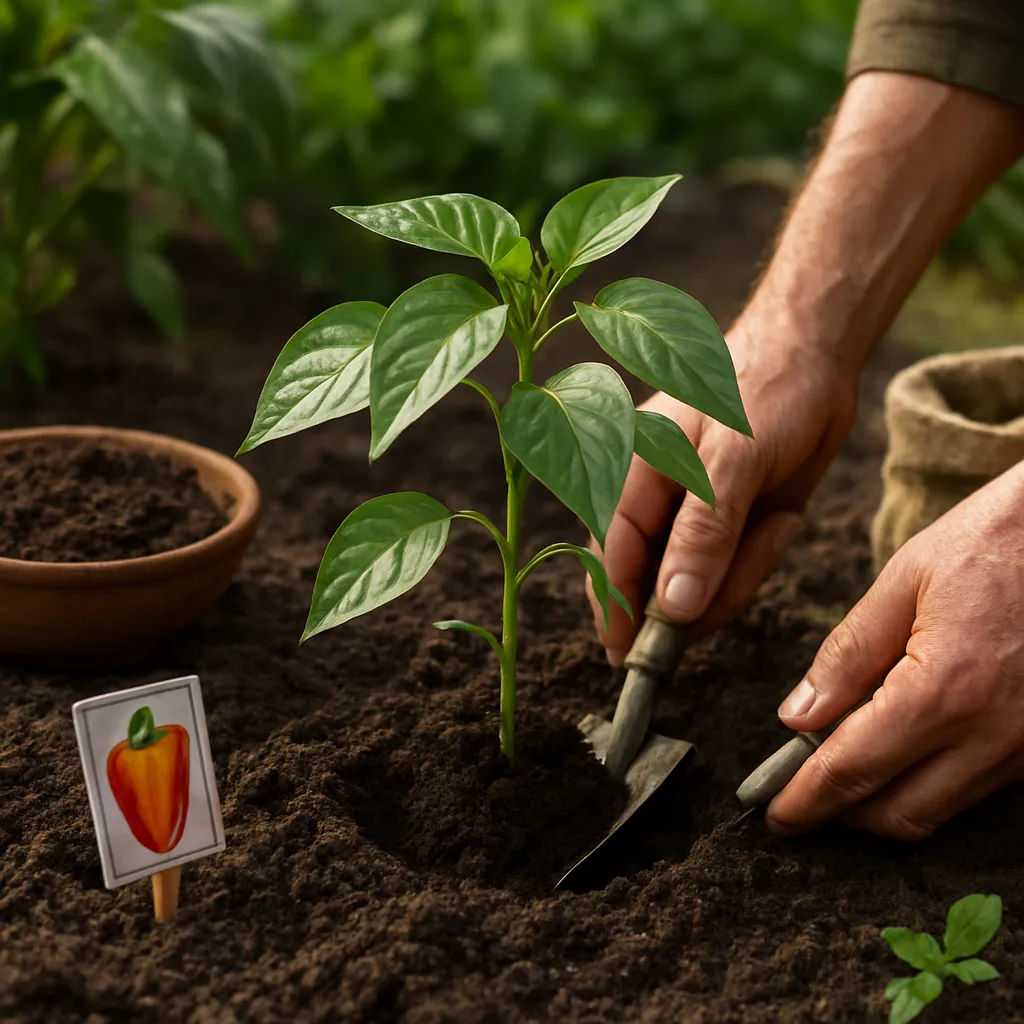
Growing peppers organically combines sustainable practices with the joy of harvesting vibrant, flavorful fruits. This guide outlines essential steps—from preparing the soil to managing pests naturally—ensuring a bountiful pepper crop. By focusing on ecological balance and sound horticultural techniques, gardeners can cultivate healthy plants that reward efforts with an array of colors and tastes.
Site Selection and Preparation
Successful pepper cultivation begins with choosing a location that meets the sunlight and soil requirements of these warmth-loving plants. Proper site selection and groundwork lay the foundation for vigorous growth and abundant yields.
Sunlight Requirements
- Peppers thrive in full sunlight, ideally receiving 6–8 hours of direct rays daily.
- A south- or west-facing spot maximizes light exposure and heat retention.
- Avoid shaded areas under tall trees or structures that cast midday shadows.
Soil Preparation
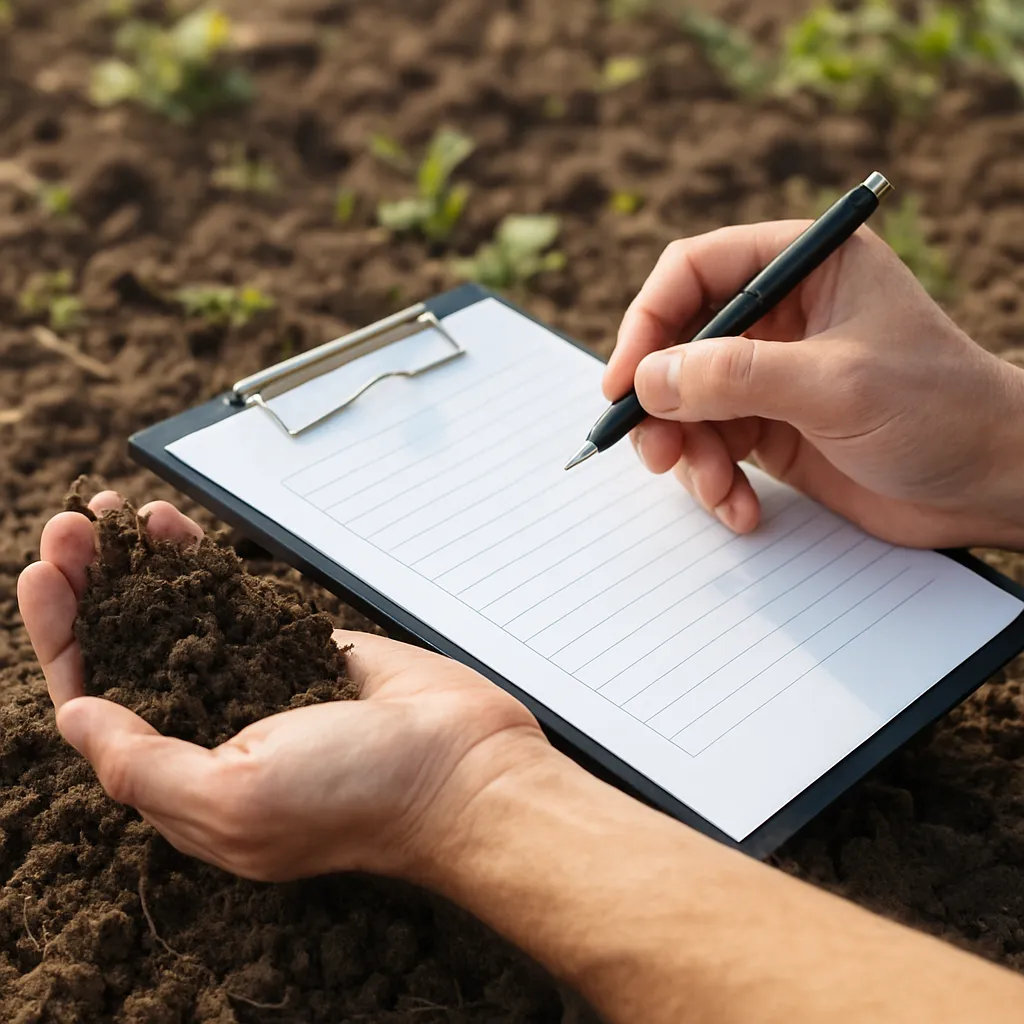
Building fertile, well-draining soil is crucial. Conduct a soil test to check pH and nutrient levels. Peppers prefer slightly acidic to neutral soil (pH 6.0–7.0).
- Amend heavy clay with coarse sand or perlite for better drainage.
- Incorporate aged compost or well-rotted manure to boost organic matter.
- Adjust pH using agricultural lime or elemental sulfur based on test results.
- Mix in a balanced organic granular fertilizer to supply baseline nutrients.
Choosing Pepper Varieties
Selecting the right pepper types ensures adaptability to your climate, culinary preferences, and garden space. Choices span from mild sweet bells to fiery habaneros.
- Sweet Bell Peppers: Classic blocky fruits in green, red, yellow, or purple; ideal for stuffing and salads.
- Hot Chili Peppers: Cayenne, jalapeño, serrano, habanero, and ghost peppers deliver escalating heat levels.
- Heirloom vs. Hybrid: Heirlooms offer unique flavors and seed-saving potential; hybrids often provide disease resistance and uniformity.
- Compact Varieties: Suitable for containers or small plots—look for terms like “dwarf” or “patio” on seed packets.
Planting and Transplanting Techniques
Seed Starting
Starting seeds indoors 8–10 weeks before the last frost date gives peppers a head start in cooler regions.
- Sow seeds ¼ inch deep in seed-starting mix, keeping soil moist but not waterlogged.
- Provide bottom heat (70–85°F) using heat mats or a warm windowsill.
- Use grow lights placed a few inches above seedlings for 14–16 hours daily.
- Thin seedlings to one per cell once true leaves emerge to prevent overcrowding.
Transplanting Outdoors
Harden off seedlings over a week by gradually exposing them to outdoor conditions. Transplant when nighttime temperatures remain above 55°F.
- Space plants 18–24 inches apart in rows 24–36 inches apart.
- Dig holes slightly larger than root balls and backfill with amended soil.
- Water thoroughly after planting to settle roots and reduce transplant shock.
- Mulch around plants to conserve moisture and suppress weeds.
Organic Fertilization and Soil Health
Nurturing soil life is central to organic pepper production. Healthy soil supports beneficial microbes that aid nutrient cycling and disease suppression.
- Side-dress with compost tea or fish emulsion every 3–4 weeks during the growing season.
- Rotate pepper beds annually to limit pathogen buildup and nutrient depletion.
- Integrate cover crops (legumes, buckwheat) in fall to fix nitrogen and improve soil structure.
- Top-dress with well-aged leaf mold or forest humus to enhance moisture retention.
Watering and Mulching
Consistent moisture is vital, but peppers resent waterlogged conditions. Drip irrigation systems deliver precise water levels directly to the root zone.
- Water deeply once or twice weekly, adjusting for rainfall and temperature.
- Avoid wetting foliage to reduce risk of disease outbreaks.
- Apply a 2–3-inch layer of organic mulch (straw, grass clippings, or shredded leaves) around plants.
- Mulch helps retain soil moisture, moderate temperature, and minimize weeds.
Pest and Disease Management
Maintaining plant health organically involves proactive monitoring and employing natural control methods. Early detection is key to preventing infestations.
- Inspect leaves weekly for signs of aphids, spider mites, or whiteflies.
- Encourage beneficial insects like ladybugs, lacewings, and parasitic wasps.
- Use neem oil or insecticidal soap to control minor pest outbreaks.
- Practice crop rotation and remove plant debris to reduce overwintering pests and pathogens.
Harvesting and Post-Harvest Handling
Harvest peppers when they reach desired size and color. Some varieties change hue once fully ripe, signaling peak flavor.
- Use clean, sharp pruning shears or scissors to snip peppers from stems without damaging the plant.
- Handle fruits gently to avoid bruising and extend shelf life.
- Store in a cool, airy location or refrigerate at 45–50°F for up to two weeks.
- Preserve surplus peppers by drying, pickling, fermenting, or freezing for later use.