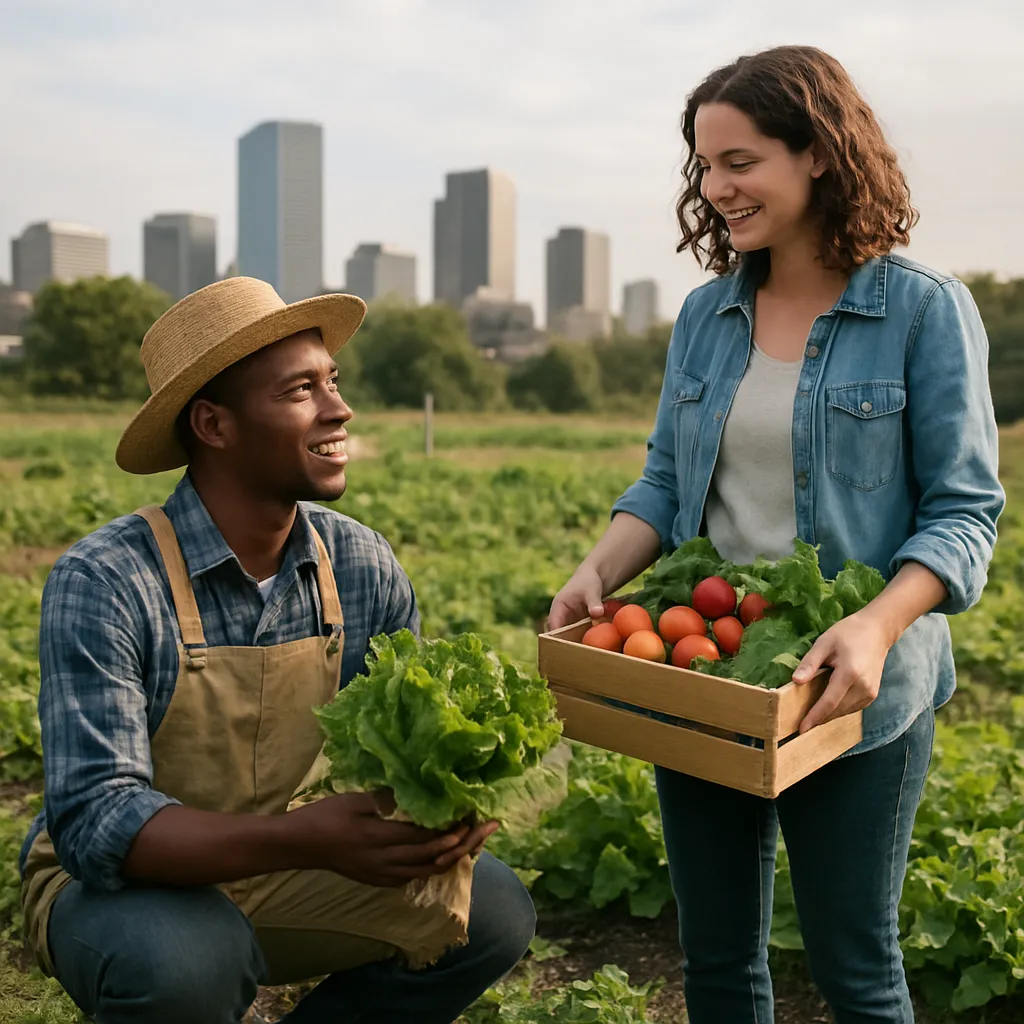
Local food systems represent a vital network connecting producers and consumers at a close geographic scale. By delivering fresh, seasonal produce directly from farms to tables, these systems nurture environmental sustainability, bolster rural economies, and fortify social ties. This article explores how localized networks reshape the future of agriculture, championing resilience and fostering a robust community framework.
Boosting the Local Economy and Farmer Prosperity
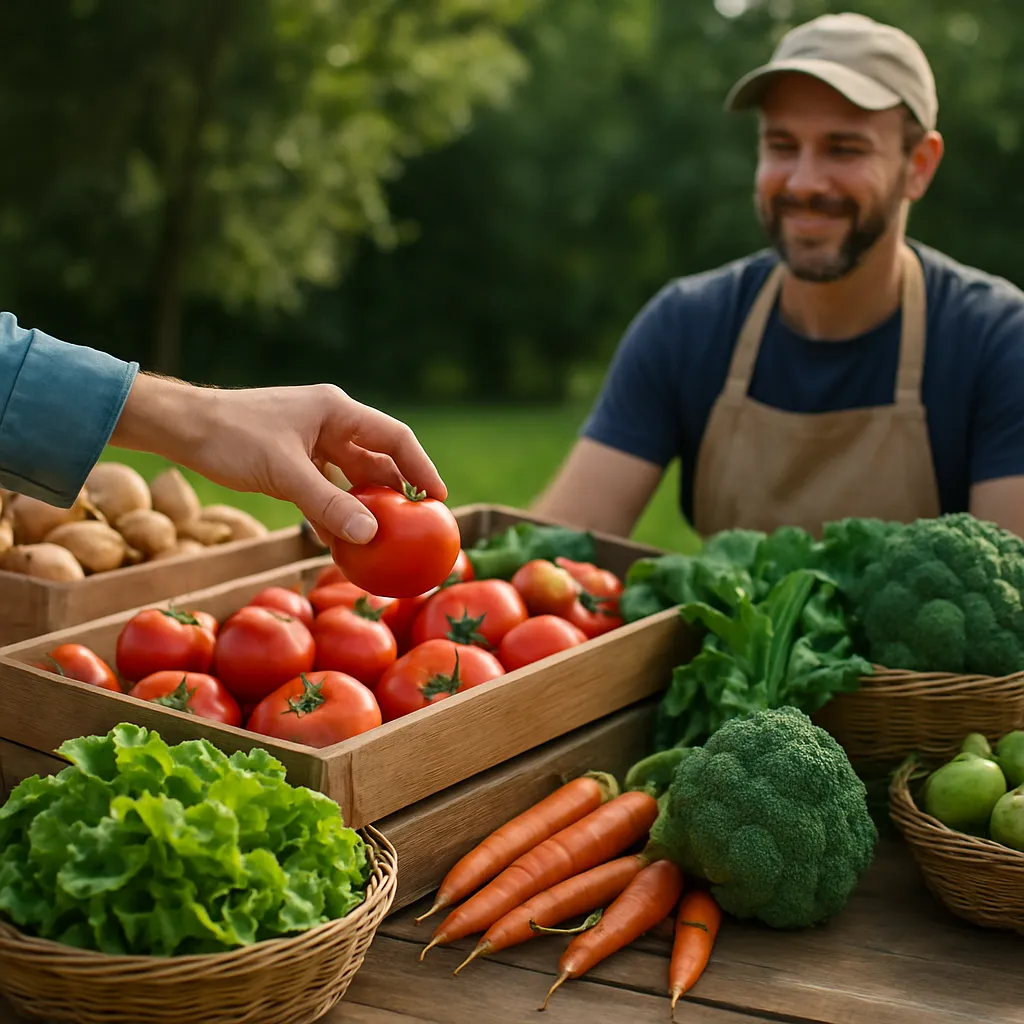
One of the most tangible benefits of local food systems lies in their economic impact. Small-scale farmers earn a greater share of the final consumer price by eliminating intermediaries. Direct markets such as farmers’ markets, community-supported agriculture (CSA) subscriptions, farm stands, and on-farm events allow producers to set fair prices and cultivate customer loyalty.
When consumers choose locally sourced products, they invest in regional businesses. Money circulates within the community, supporting related enterprises like equipment suppliers, transport services, and local artisans. This multiplier effect enhances overall economic resilience and generates more job opportunities.
- Reduced transportation costs keep fuels and maintenance expenses down for both farmers and buyers.
- Higher profit margins enable farmers to invest in improved technologies, organic practices, and diversified crops.
- Transparent pricing fosters trust, encouraging repeat purchases and long-term partnerships.
Moreover, local food initiatives can help revitalize rural areas vulnerable to depopulation. By offering stable revenue streams, they prevent farmland abandonment and preserve cultural heritage tied to traditional farming techniques.
Supporting Environmental Sustainability and Biodiversity
Local food systems contribute to a healthier environment by minimizing the distance food travels. Shorter supply chains translate to lower greenhouse gas emissions and a smaller carbon footprint. Farmers often adopt regenerative practices to maintain soil health, sequester carbon, and reduce chemical inputs.
Unlike large-scale monoculture operations, small farms typically incorporate diverse crops and animal systems. This diversity enhances ecosystem functions, encourages natural pest control, and preserves biodiversity. Planting heirloom varieties, cover cropping, and integrating pollinator habitats protect native species and enrich agricultural landscapes.
- Smaller plots support crop rotations that mitigate soil erosion and nutrient depletion.
- On-farm composting and organic amendments reduce reliance on synthetic fertilizers.
- Agroforestry and hedgerow plantings provide wildlife corridors and carbon sinks.
Water conservation techniques, such as rainwater harvesting and drip irrigation, align with local priorities and resource availability. By tailoring management to regional climates, farmers can optimize yield while safeguarding natural resources for future generations.
Enhancing Community Health and Food Security
Access to fresh, nutrient-rich foods is critical for public health. Local food networks empower consumers to obtain seasonal produce at peak flavor and nutritional value, since perishables do not endure long storage or lengthy transportation. High-quality offerings often contain more nutrients, antioxidants, and phytochemicals than supermarket counterparts.
Neighborhood gardens, farmers’ markets, and school partnerships raise awareness of healthy eating. Community members learn about cooking techniques, seasonal recipes, and the origin of their meals. Educational initiatives foster a sense of shared responsibility toward balanced diets, reducing rates of chronic diseases linked to poor nutrition.
- Food deserts diminish when mobile markets and local retailers expand distribution.
- CSA programs encourage families to explore new fruits and vegetables on a weekly basis.
- Interactive workshops promote hands-on skills like canning, pickling, and fermentation.
Local systems also play a crucial role during crises. Whether facing natural disasters, supply chain disruptions, or economic downturns, communities with established local networks exhibit greater resilience. Rapid mobilization of nearby farms secures emergency provisions, ensuring continuity of food supplies.
Fostering Social Connections and Education
Beyond tangible products, local food systems cultivate strong interpersonal bonds. Farmers share stories of seasonal harvests and time-honored methods, reinforcing a sense of place and collective identity. Consumers, in turn, develop respect for the labor behind each crop.
Community events such as apple festivals, harvest dinners, and farm tours bring together diverse participants. These gatherings stimulate dialogue and create platforms for collaboration. Urban residents gain insights into rural lifestyles, while producers receive direct feedback about consumer preferences.
- Volunteer programs at community gardens and farms nurture partnerships across age groups.
- School field trips to agricultural sites spark curiosity and inspire future careers in farming.
- Cooperative extension services disseminate research and practical training on sustainable practices.
Digital platforms and social media further amplify local networks, connecting buyers to sellers and spreading best practices. Online directories, virtual markets, and recipe exchanges enrich the local food ecosystem, bridging gaps between producers and consumers in both urban and rural contexts.
Challenges and Opportunities for Growth
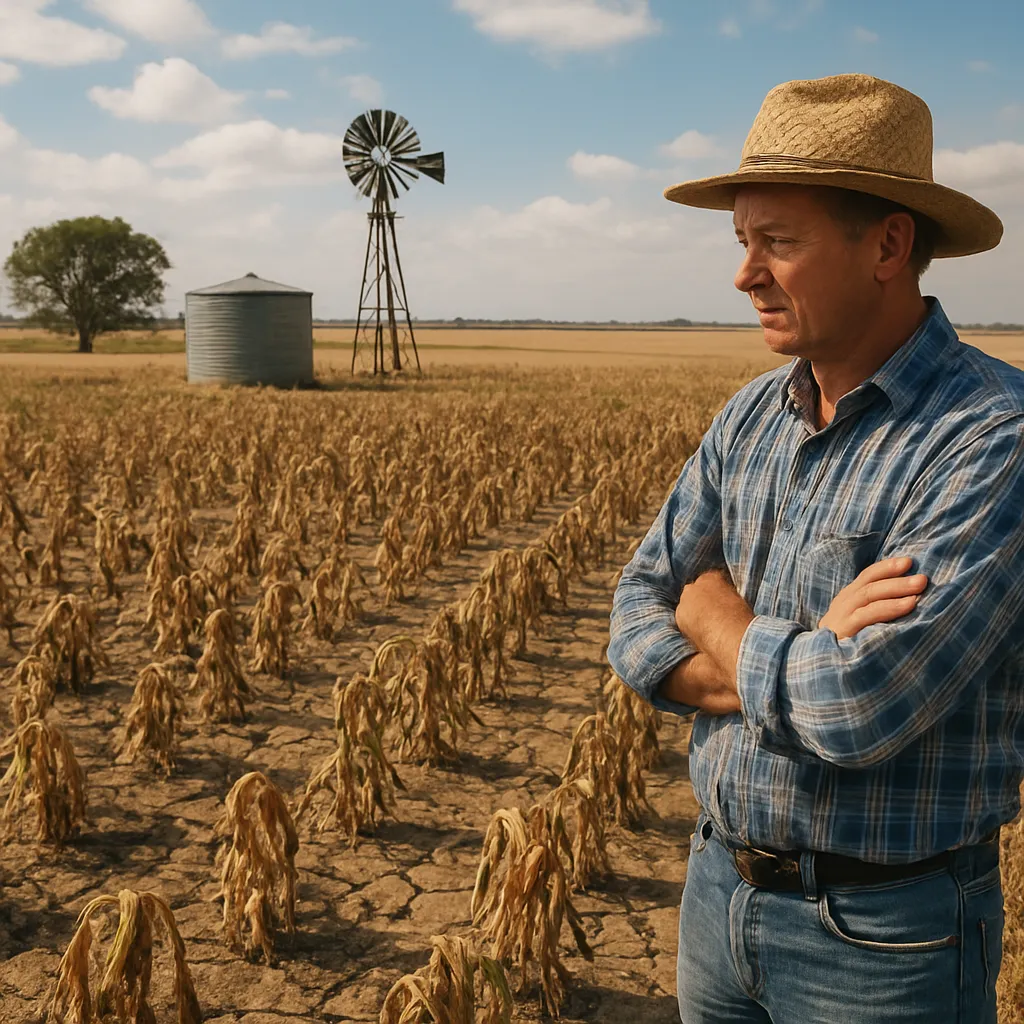
Despite numerous advantages, local food systems face obstacles. Land access and affordable housing for farmers remain pressing issues. Labor shortages can constrain expansion and harvest capacity. Regulatory requirements, especially food safety standards, sometimes pose challenges for small-scale operators.
Innovative strategies are emerging to tackle these hurdles. Agricultural incubators provide tested land plots and shared equipment for new farmers. Worker cooperatives and apprenticeship programs help fill seasonal positions and transmit specialized knowledge. Policy reforms, including streamlined permits and targeted grants, can lower the barrier to entry.
- Community land trusts secure farmland for future generations and prevent speculative development.
- Collaborative distribution hubs enable smaller producers to pool resources and reach wider markets.
- Microloans and crowdfunding platforms offer flexible financing for equipment upgrades and infrastructure improvements.
By embracing innovation, stakeholders can expand the reach and impact of local food networks. Strategic alliances among farmers, nonprofits, local governments, and businesses can unlock new funding streams and public support. Emphasizing the broader social and environmental benefits paves the way for sustained development.
Looking Ahead: A Vision for Sustainable Agriculture
Future growth of local food systems hinges on continuous collaboration, knowledge exchange, and community engagement. Integrating urban agriculture—such as rooftop gardens, vertical farms, and hydroponic greenhouses—can complement rural production and meet urban demand. Smart technologies, including precision farming tools and mobile apps for direct sales, can further streamline operations.
Ultimately, a robust local food network represents more than just a supply chain; it embodies a philosophy that values transparency, fairness, and ecological stewardship. As consumers, producers, and policymakers align around shared goals, local food systems will continue to unlock benefits for farmers, freshness for buyers, and resilience for the planet.