Contemporary agriculture is undergoing a profound transformation fueled by the integration of data and advanced technologies. Farmers are embracing new methods that allow them to harness vast amounts of information from fields, livestock, and machinery. These innovations are reshaping traditional practices and enabling growers to make more informed decisions that enhance sustainability, increase productivity, and optimize resource utilization across diverse environments.
Advancements in Data Collection and Integration
Accurate and timely data acquisition serves as the foundation for modern agricultural strategies. A variety of devices and systems are now available to capture environmental and operational metrics in real time:
- Remote sensing platforms utilizing drones and satellites to measure plant health and soil moisture;
- Ground-based sensors that monitor temperature, humidity, and nutrient concentrations;
- Internet of Things (IoT) networks enabling seamless connectivity between on-field devices and farm management software;
- Automated machinery logging fuel consumption, engine performance, and working width for precise input tracking.
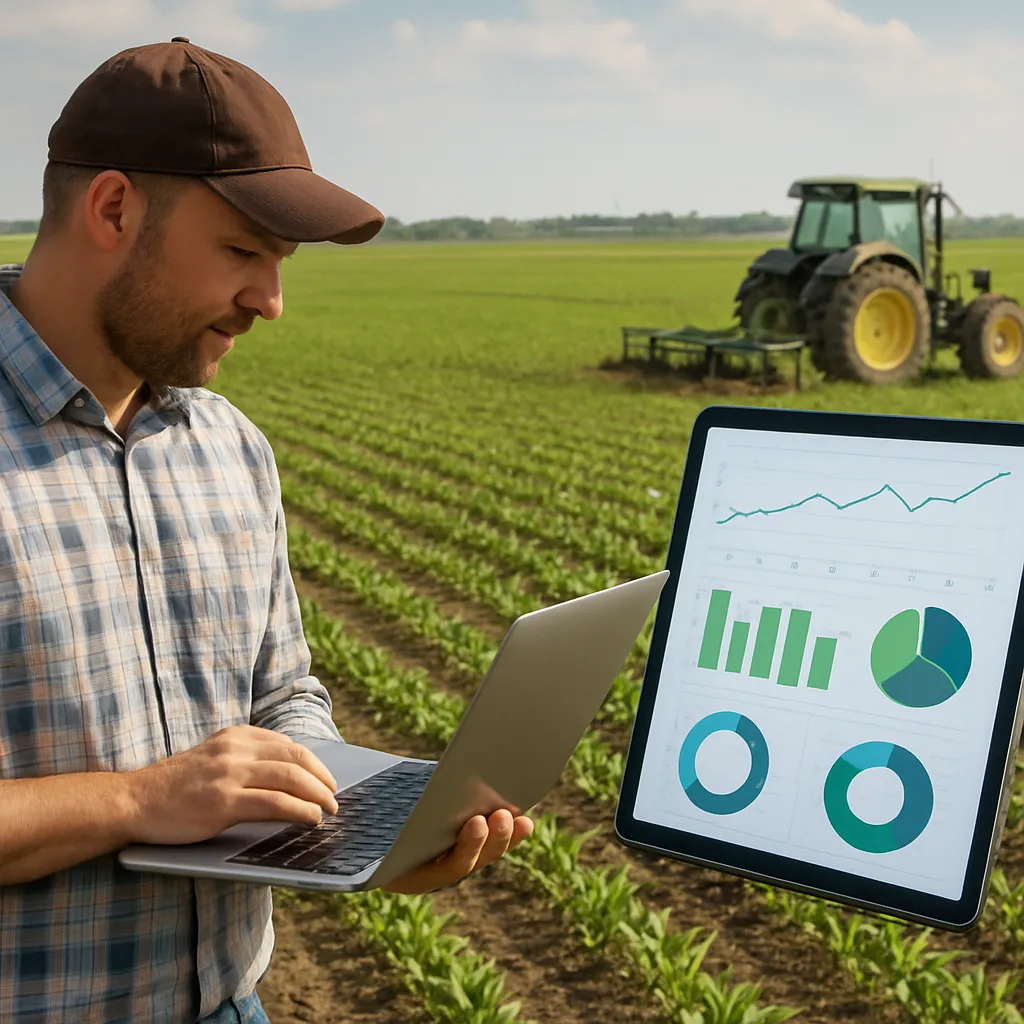
Integrating these heterogeneous data streams into a centralized platform requires robust pipelines and standardized protocols. Data cleaning, normalization, and storage solutions must address issues of accuracy, latency, and scale. Through effective data warehousing and cloud computing, growers can consolidate vast datasets, enabling advanced queries and visualization tools to identify patterns and anomalies within their operations.
Enhancing Precision Agriculture with Analytics
Precision agriculture leverages analytics to tailor interventions at the level of individual plants or small field zones. By dividing farmland into management units based on soil type, slope, and drainage, producers can apply inputs—such as water, fertilizer, and pesticides—exactly where needed. Key analytical methodologies include:
- Spatial analysis combining GPS coordinates with yield maps to generate prescription grids;
- Machine learning models that correlate weather forecasts and historical performance to determine optimum sowing dates;
- Variable-rate technology that controls applicators in real time, adjusting flow rates for precise distribution.
These practices help reduce waste, lower production costs, and protect ecosystems. Improved precision in resource deployment also minimizes environmental impact by curbing excess nutrient runoff and preventing overwatering. As a result, farmers can achieve higher returns on investment while promoting long-term soil health.
Predictive Modeling for Yield Improvement
Forecasting crop outcomes is a critical aspect of decision making. Predictive models utilize historical records, weather projections, and current season metrics to estimate potential yield under various scenarios. Model components often incorporate:
- Time-series analytics tracking plant growth stages against climate anomalies;
- Regression and ensemble algorithms that weigh multiple variables—such as rainfall, solar radiation, and planting density—to forecast biomass accumulation;
- Scenario planning tools that simulate the effects of pest outbreaks, drought stress, or late-season storms.
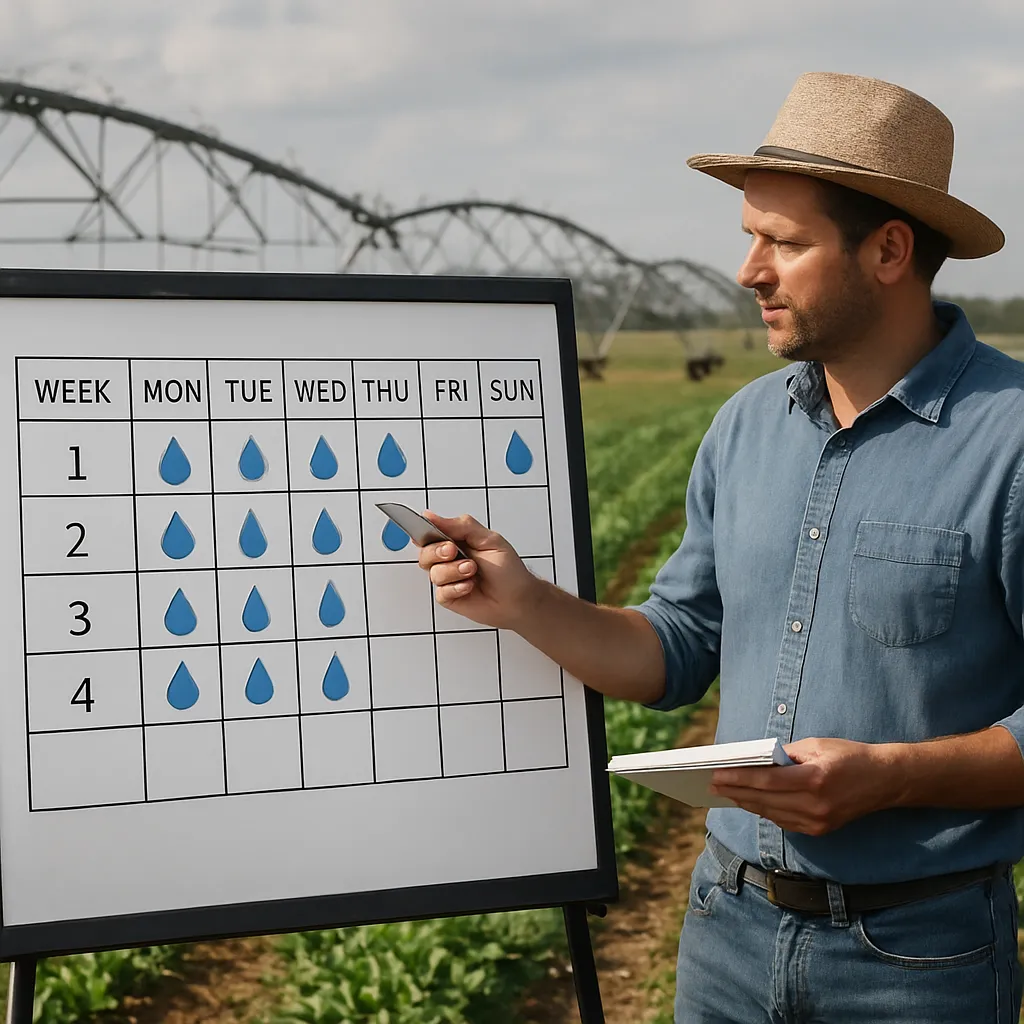
By comparing predicted outputs to target benchmarks, managers can adjust fertilizer plans, implement irrigation schedules, and allocate labor to critical tasks. The continuous feedback loop between observed results and model refinement drives ongoing improvement, ensuring that projections become more accurate over time.
Machine Learning and Autonomous Systems
The advent of machine learning enables agricultural robots and autonomous vehicles to operate with minimal human intervention. Through computer vision and deep learning, these systems can:
- Identify weeds and selectively apply herbicides to individual plants;
- Detect nutrient deficiencies or diseases on leaves and trigger targeted treatments;
- Harvest fruits and vegetables by recognizing ripeness indicators and adjusting grip strength accordingly;
- Navigate complex terrains using LIDAR and environmental mapping.
Such capabilities not only reduce labor costs but also enhance the speed and consistency of farm operations. When scaled across large estates, autonomous platforms offer substantial gains in optimization and efficiency.
Challenges in Implementation and Data Governance
Despite the promise of modern analytics, several obstacles remain:
- Data interoperability issues due to proprietary formats and incompatible communication standards;
- High initial costs for advanced equipment and software licenses that may deter smallholders;
- Concerns over data privacy and ownership when third-party providers host sensitive farm records;
- Skills gap among agricultural workers who require training to interpret complex dashboards and statistical outputs;
- Infrastructure limitations in remote areas lacking reliable internet or power supplies.
Addressing these hurdles demands collaborative efforts among technology vendors, policymakers, and farming communities. Development of open-source platforms, subsidized training programs, and robust regulatory frameworks can facilitate broader adoption and equitable access to digital tools.
Future Trends and Scalability
Looking ahead, the integration of edge computing and 5G networks will accelerate the deployment of real-time analytics on the farm. Edge devices can process sensor inputs locally, reducing response times and bandwidth requirements. Meanwhile, high-speed wireless connectivity enables data-intensive applications—such as hyperspectral imaging and continuous drone flights—to become routine.
Scalable solutions must balance innovation with practicality. Modular software architectures allow growers to add new functionalities—like predictive pest alerts or soil health indices—without overhauling existing systems. Partnerships between agri-tech startups and traditional equipment manufacturers will yield hybrid offerings that blend proven hardware with cutting-edge software.
Ultimately, the synergy of advanced sustainability metrics, robust analytics, and scalable infrastructure will shape the next frontier of modern farming. By continually refining data-driven strategies, producers can navigate climate uncertainties, meet global food demand, and steward natural resources for generations to come.