Greenhouse cultivation has transformed modern agriculture by offering farmers the ability to control environmental factors and extend growing seasons. This approach not only enhances yield but also fosters year-round production, improves quality, and boosts overall profitability. By optimizing light, temperature, humidity, and nutrient delivery, greenhouse growers can produce a diverse variety of crops while minimizing resource use. Below, we explore key aspects of selecting and managing the best crops for greenhouse production, with practical insights into maximizing sustainability and market appeal.
Crop Selection Criteria
Choosing the right crops for a greenhouse operation depends on several interrelated factors. Understanding these criteria helps growers align their production goals with market demands and resource constraints.
Environmental Control Requirements
- Light Intensity and Duration: Some crops thrive under high light, while others prefer diffused or lower light levels. Supplemental LED lighting can compensate for seasonal shortages, enhancing yield and uniformity.
- Temperature Range: Most vegetables perform best between 18–24 °C, but delicate herbs or tropical fruits may need higher or more stable temperatures.
- Humidity Management: Proper ventilation and dehumidification prevent diseases like powdery mildew and ensure effective pest control.
Resource and Cost Considerations
- Water Use Efficiency: Hydroponic systems can reduce water consumption by up to 90% compared to open-field cultivation, boosting sustainability.
- Nutrient Delivery: Precise dosing of essential elements (N-P-K, micronutrients) guarantees vigorous growth and consistent quality.
- Energy Expenses: Heating, cooling, and lighting constitute major operational costs. Integrating renewable energy or waste-heat recovery can improve profitability.
Market Demand and Profit Margins
- Local Preferences: High-value, locally adapted varieties often command premium prices and shorter distribution chains.
- Year-Round Availability: Offering off-season produce strengthens customer loyalty and opens wholesale opportunities with restaurants and retailers.
Leafy Greens and Herbs
Leafy greens and culinary herbs dominate greenhouse production due to their rapid growth cycles and wide market appeal. Their relatively low management complexity makes them ideal for both novice and experienced growers.
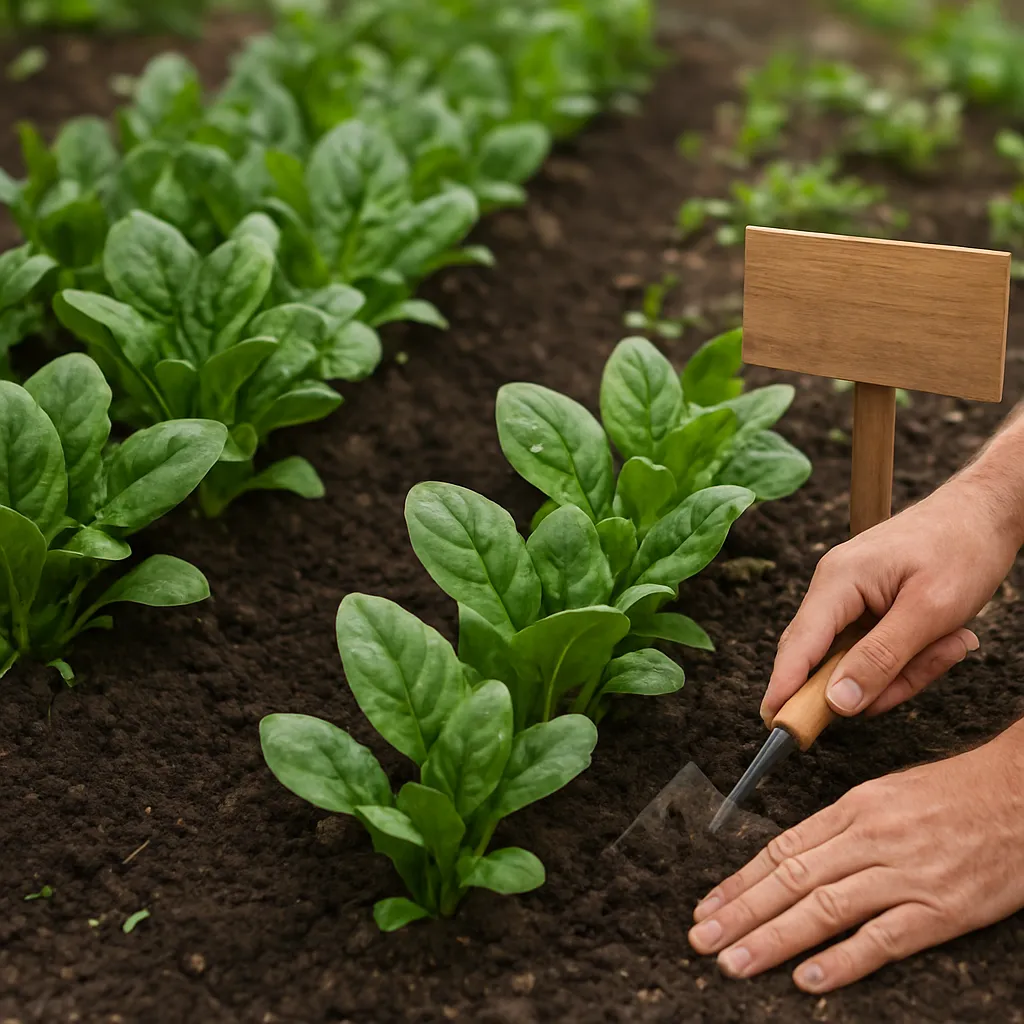
Lettuce and Spinach
- Growth Cycle: 30–45 days from seed to harvest in hydroponic or soil-based systems.
- Key Practices: Maintain 65–75% humidity, pH around 5.8–6.2, and temperatures between 16–20 °C for crisp, vibrant leaves.
- Pest control: Beneficial insects like ladybugs can suppress aphids without chemical residues.
Basil, Mint, and Other Herbs
- Basil Varieties: Sweet basil, Thai basil, and purple basil each fetch different price points and cater to distinct culinary uses.
- Mint Cultivation: Peppermint and spearmint thrive in cooler greenhouse sections with moderate light to preserve essential oil content.
- Harvest and Postharvest: Frequent cutting encourages branching. Quick cooling and humidity control prolong shelf life.
Fruiting Vegetables
Greenhouses provide an ideal environment for fruiting crops that normally demand specific conditions. Controlled settings reduce disease incidence and accelerate ripening, ensuring consistent output and superior fruit quality.
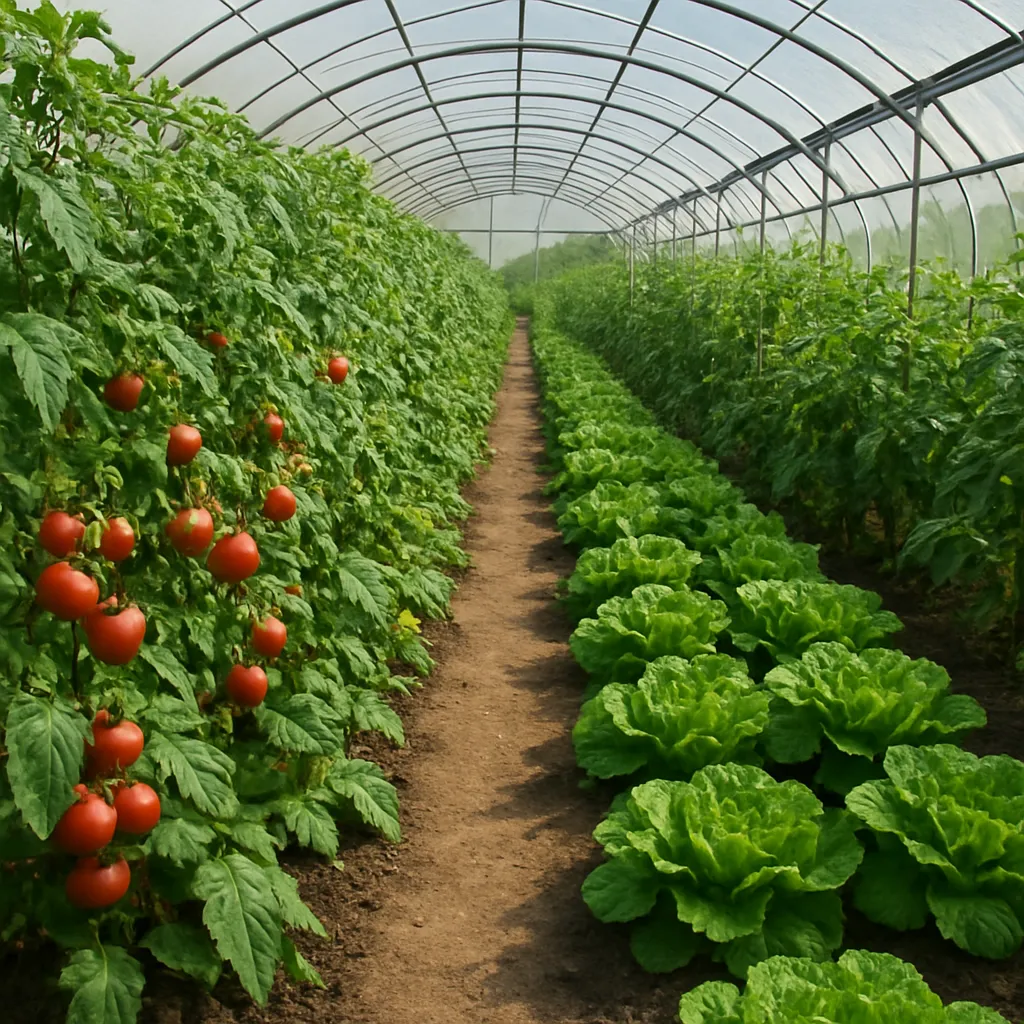
Tomatoes
- Variety Selection: Cherry, beefsteak, and plum tomatoes offer options for fresh market and processing.
- Pollination: Bumblebees or hand-vibration ensure efficient fruit set in enclosed spaces.
- Climate Control: Day temperatures of 22–26 °C and night temperatures of 16–18 °C optimize sugar accumulation.
Cucumbers and Peppers
- Cucumbers: English types are seedless and highly sought after. Provide trellises to maximize space and air circulation.
- Peppers: Sweet and hot varieties require stable temperatures (20–27 °C day, 16–20 °C night) and balanced fertilization to avoid blossom end rot.
Eggplants and Specialty Tomatoes
- Eggplants: Benefit from elevated light levels and moderate humidity; susceptible to spider mites if conditions are too dry.
- Heritage Tomato Varieties: Unique color and flavor profiles enable niche marketing and direct-to-consumer sales.
Specialty and High-Value Crops
For growers seeking to differentiate themselves, specialty crops such as microgreens, edible flowers, and berries can yield substantial returns. Although these products often demand more precise nutrient management and handling, their novelty and high price per unit weight justify the investment.
Microgreens
- Fast Turnaround: Harvest in 7–14 days, enabling multiple cycles per month.
- Yield and Profit: High market rates for trays of mixed microgreens support profitability even on small bench areas.
Edible Flowers and Medicinal Herbs
- Flower Varieties: Nasturtiums, pansies, and marigolds add visual appeal and distinct flavors to gourmet dishes.
- Medicinal Herbs: Echinacea, lavender, and chamomile require precise drying and packaging to maintain active compounds.
Strawberries and Berries
- Hydroponic Strawberry Production: Elevated growing gutters reduce pests and improve harvest ergonomics.
- Yield Maximization: Supplemental lighting and CO₂ enrichment can boost fruit weight by 10–20% compared to open-field crops.
Advanced Techniques and Future Trends
Adopting cutting-edge methods helps greenhouse operators stay competitive. Combining data-driven insights with innovative systems enhances sustainability and resource efficiency.
- Vertical Farming Integration: Stacked production tiers increase land-use efficiency and daily output.
- Automation and Sensors: Real-time monitoring of temperature, humidity, and nutrient solution management optimizes growing conditions and reduces labor needs.
- Biological Pest Control: Emphasizing beneficial insects and microbial inoculants to maintain a balanced ecosystem without chemical residues.
By carefully selecting crops that match greenhouse capabilities and market opportunities, growers can achieve consistent returns, improve resource use, and embrace sustainability. Whether focusing on classic vegetables or exploring niche, high-value products, greenhouse farming offers a dynamic platform for innovation and long-term success.