Growing vibrant, leafy greens in your garden can be both rewarding and sustainable when you commit to organic practices. Spinach, prized for its nutrient-rich leaves, thrives under eco-friendly methods that nurture the earth while yielding a bountiful harvest. This guide delves into proven strategies for cultivating spinach organically, from selecting the right variety to mastering pest control without relying on synthetic chemicals.
Selecting Optimal Spinach Varieties for Organic Growth
Choosing the right cultivar sets the foundation for success. Some varieties boast greater resilience to weather fluctuations, pests and bolting. Consider the following:
- Bloomsdale: A classic heirloom with crinkled leaves and excellent flavor.
- Space: Known for smooth, dark-green leaves and quick maturity.
- Giant Winter: Tolerates colder climates and offers larger leaf size.
- Perpetual: Ideal for extended harvests, resisting premature flowering.
When selecting seeds, opt for certified organic sources. This ensures freedom from genetically modified organisms and avoids exposure to residual pesticides. Store seeds in a cool, dry place until sowing to maintain high germination rates.
Preparing Enriched Soil and Compost Application
Healthy spinach demands fertile, well-draining soil rich in organic matter. Follow these steps to create an optimal growing medium:
- Test soil pH: Aim for a slightly acidic to neutral range (6.0–7.0).
- Add well-aged compost at least two weeks before planting.
- Incorporate natural amendments such as:
- Worm castings to boost microbial activity.
- Bone meal for supplemental phosphorus.
- Kelp meal to provide trace minerals and stimulate root growth.
- Loosen the top 12–15 inches of soil to improve root penetration and water retention.
Key tip: Rotate your spinach beds with nitrogen-fixing legumes like clover or peas. This practice enhances soil fertility naturally and reduces the risk of nutrient depletion.
Planting Techniques and Watering Schedule
Proper sowing and hydration are critical for establishing vigorous spinach plants:
Sowing Guidelines
- Direct-seed outdoors as soon as soil temperature reaches 45°F (7°C).
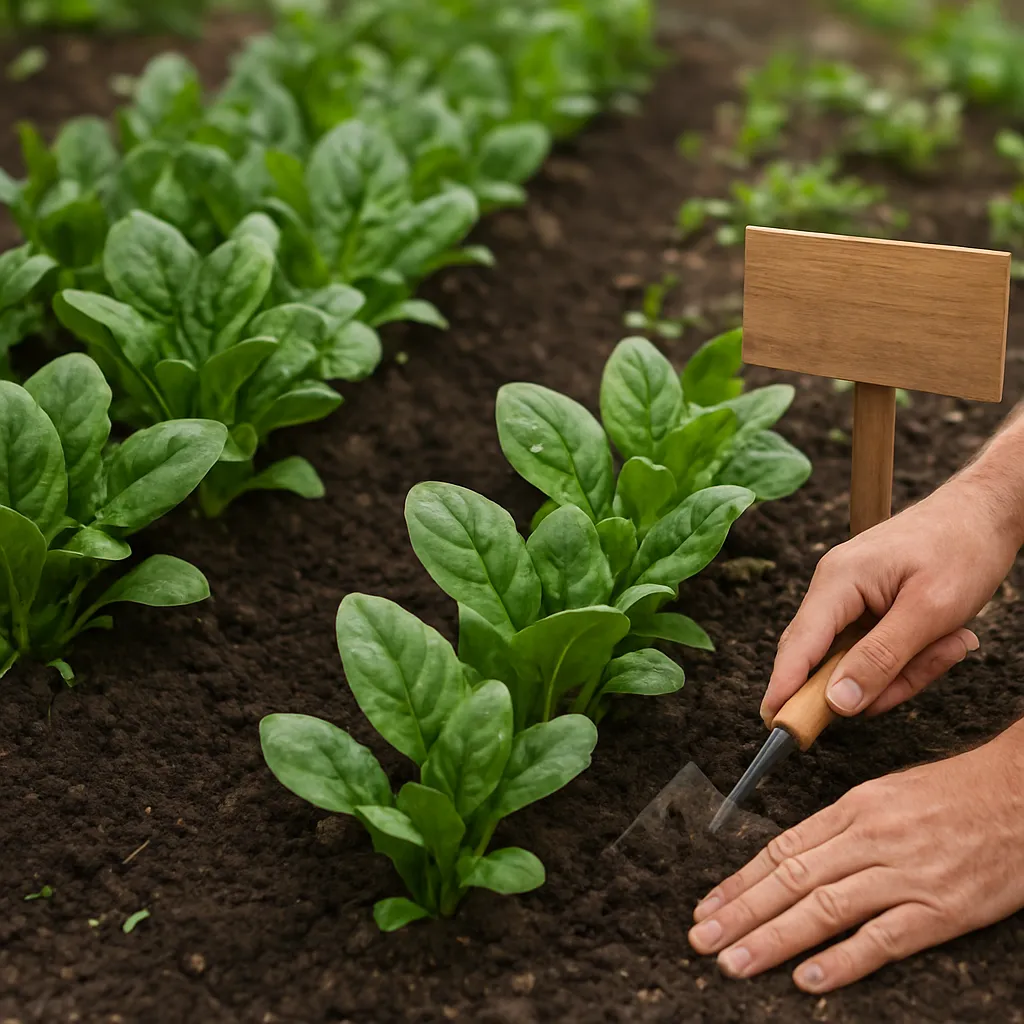
- Space seeds 2 inches apart in rows 12–18 inches apart for optimal air circulation.
- Cover seeds with ½ inch of fine soil or compost to protect against birds and ensure consistent moisture.
- Succession plant every two weeks to maintain a continuous supply of tender leaves.
Watering Essentials
- Maintain a consistent watering schedule: 1 inch of water per week, adjusted for rainfall.
- Use drip irrigation or soaker hoses to deliver moisture directly to the root zone.
- Avoid overhead watering to minimize leaf wetness and reduce disease pressure.
- Mulch with straw or shredded leaves to conserve soil moisture and suppress weeds.
Spinach roots are shallow; fluctuations in soil moisture can cause bolting or bitter-tasting leaves. Monitor regularly and adjust irrigation based on weather conditions.
Implementing Integrated Pest Management and Crop Rotation Strategies
Maintaining plant health without chemicals relies on proactive cultural methods:
Companion Planting and Biological Controls
- Interplant spinach with marigolds or nasturtiums to deter aphids and leaf miners.
- Encourage beneficial insects such as lacewings and ladybugs by planting a diversity of flowering species.
- Introduce companion planting allies like radishes, which act as trap crops for flea beetles.
Cultural Practices
- Perform weekly inspections for signs of pest management needs: yellowing leaves, holes or sticky residue.
- Handpick caterpillars or larvae and relocate them away from your garden.
- Apply organic neem oil or insecticidal soap as a last resort, following manufacturer guidelines carefully.
Crop Rotation Benefits
Shifting your spinach planting location each season disrupts pest and disease cycles:
- Rotate with crops from different botanical families, such as tomatoes or beans.
- Avoid planting in the same bed at least once every three seasons.
- Intersperse green manures like winter rye to replenish soil structure and fertility.
Harvesting and Post-Harvest Handling
Knowing when and how to harvest ensures maximum flavor and nutritional value:
- Begin harvesting baby leaves when they reach 3–4 inches tall, roughly 30–40 days after sowing.
- For mature leaves, wait until they are 6–8 inches long, but before flowering initiates.
- Use clean scissors or garden shears to cut leaves at the base, leaving 1–2 inches of growth for regrowth.
- Harvest in the morning when dew has dried but before midday heat, preserving crispness.
After cutting:
- Rinse leaves gently in cool water to remove soil and debris.
- Dry using a salad spinner or pat with clean towels to prevent spoilage.
- Store in breathable containers or perforated bags in the refrigerator, maintaining 32–36°F for freshness.
Consistent attention to these details will reward you with sweet, tender spinach that embodies the true benefits of organic farming practices.