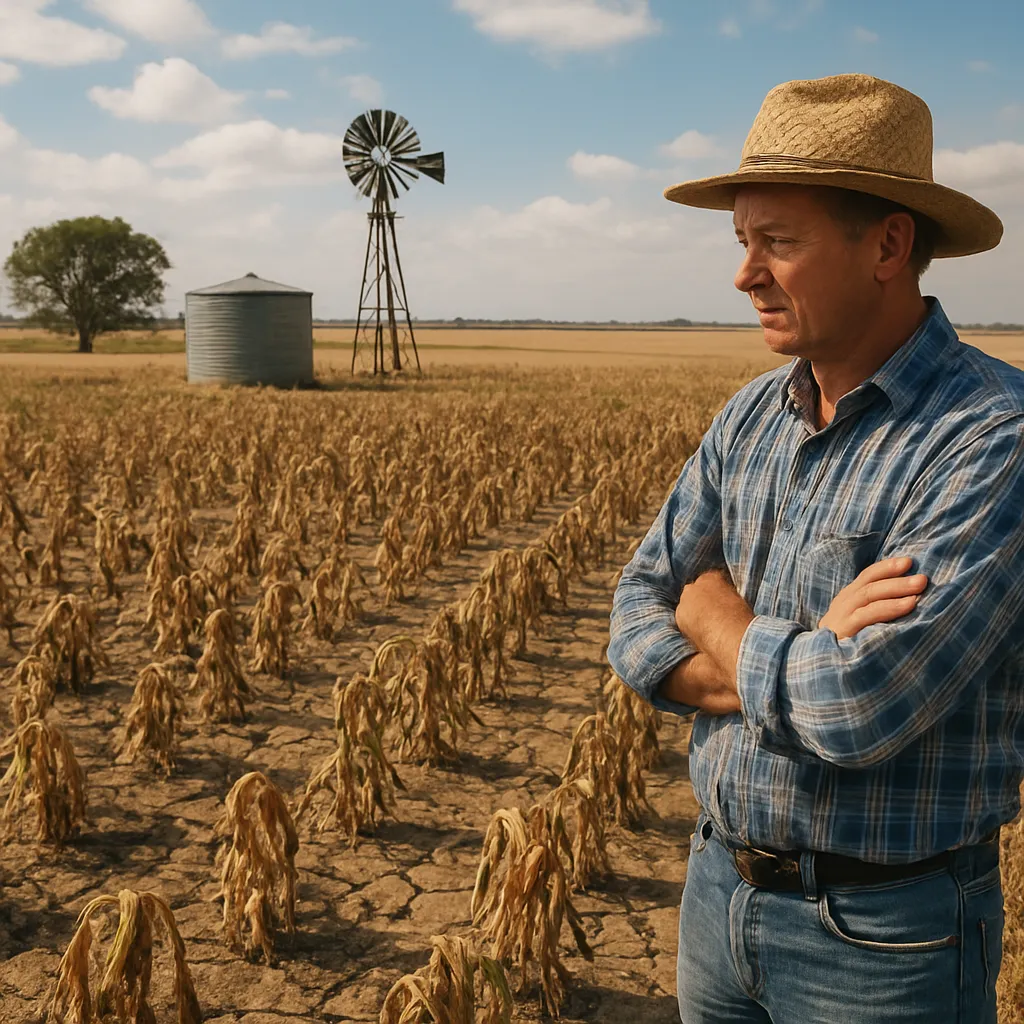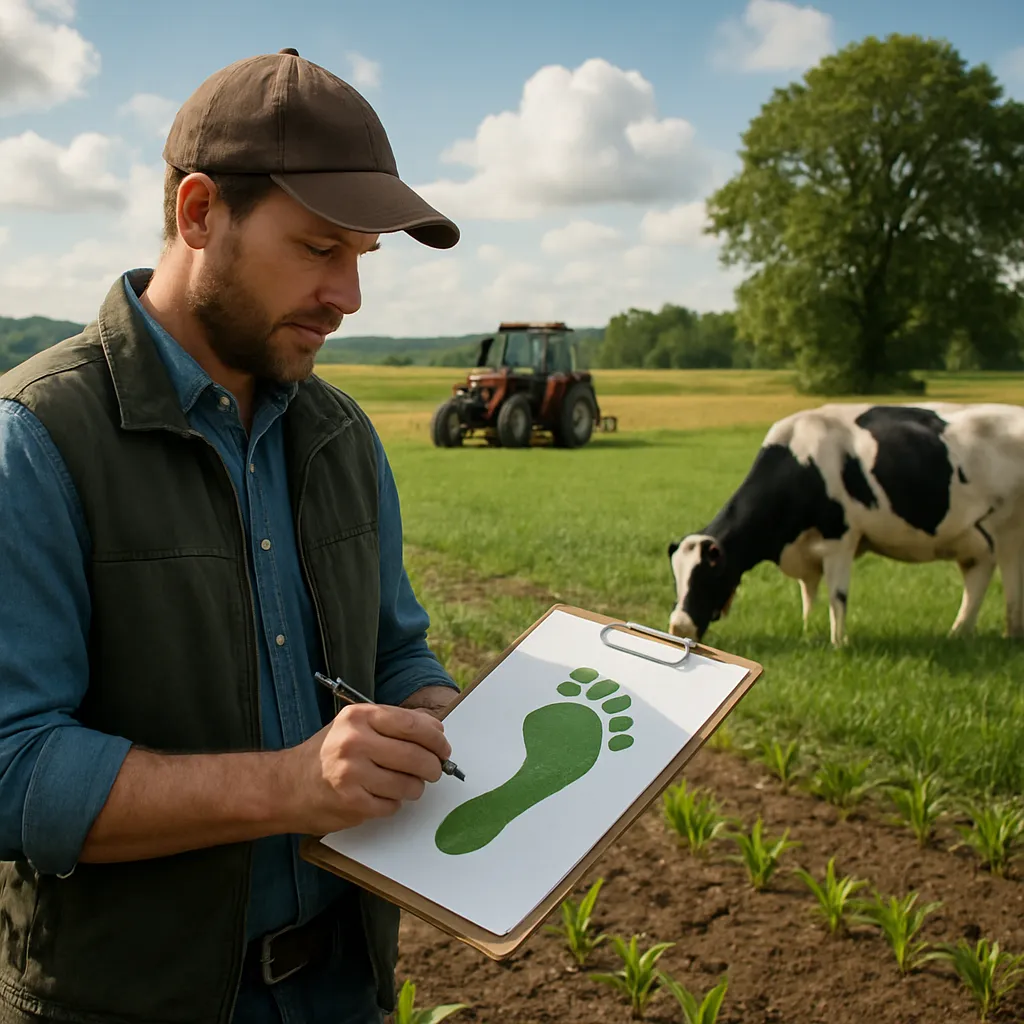
Understanding the environmental impact of modern agriculture begins with a clear assessment of carbon dynamics on the farm. This article delves into the concept of a farm carbon footprint, exploring measurement techniques, strategies for mitigation, and opportunities for generating value through sustainable practices. By examining both challenges and innovative solutions, readers will gain insight into transitioning toward a more sustainability-driven agricultural model.
Defining a Farm Carbon Footprint
A farm carbon footprint represents the total amount of greenhouse emissions generated directly and indirectly by agricultural activities. These emissions come from multiple sources, including energy use, fertilizer application, enteric fermentation in livestock, and land-use changes. In simple terms, it’s a balance between carbon released into the atmosphere and carbon captured or stored on the farm. Understanding this balance is essential for effective climate action.
Key Components of the Footprint
- On-farm energy: Fuel consumption for tractors, irrigation pumps, and heating systems.
- Input manufacturing: Emissions from producing and transporting fertilizers, pesticides, and machinery.
- Livestock digestion: Enteric methane released by ruminants like cows and sheep.
- Soil processes: Carbon dioxide released from soil organic matter and nitrous oxide emissions from fertilized fields.
- Land-use change: Deforestation or conversion of grassland to cropland, releasing stored carbon.
Measuring and Monitoring Emissions
Accurate measurement lays the groundwork for any reduction strategy. Several approaches and tools help farm managers quantify their carbon footprint:
Life Cycle Assessment (LCA)
An LCA examines the entire production chain—from input manufacturing to product delivery. It provides a holistic view of carbon flows and highlights “hotspots” where emissions are highest. Many software platforms now tailor LCA methodologies to agriculture, enabling farmers to input operational data and receive detailed emission reports.
Field-Level Trials and Sensors
On-the-ground measurements using soil probes, gas flux chambers, and remote sensing can validate modeled estimates. Regular sampling of soil organic carbon and monitoring of greenhouse gas fluxes helps track changes over time, ensuring that emission reduction efforts are genuine and verifiable.
Remote Sensing and GIS
Satellite imagery and Geographic Information Systems (GIS) allow large-scale monitoring of land-use changes and vegetation health. This technology helps identify areas with high carbon storage potential and detects land conversion events that could spike emissions.
Strategies for Reducing Emissions
Once emissions sources are identified, farms can implement targeted actions to minimize their footprint. Key strategies include:
- Optimized nutrient management: Employing soil tests and precision application techniques reduces excess fertilizer use, cutting nitrous oxide emissions.
- Fuel-saving technology: Upgrading to more efficient machinery and adopting conservation tillage methods reduce diesel consumption and carbon dioxide output.
- Manure management: Using covered storage and anaerobic digesters can capture methane for renewable energy production.
- Cover cropping: Planting cover crops during fallow periods enhances soil health, boosts organic matter, and sequesters atmospheric carbon.
- Agroforestry and hedgerows: Integrating trees and shrubs into fields creates long-term carbon sinks and supports biodiversity.
- Improved grazing: Rotational and managed intensive grazing promote root growth and boost carbon sequestration in grasslands.
Regenerative Agriculture as a Pathway
Regenerative agriculture transcends mere carbon reduction by aiming to restore ecosystem functions. Practices under this umbrella include no-till farming, multi-species cover cropping, and holistic livestock management. These methods not only sequester carbon but also improve water retention, reduce erosion, and foster greater farm resilience against climate extremes.
Soil Carbon Sequestration
Healthy soils rich in organic matter are powerful carbon sinks. By promoting microbial activity and minimizing disturbances, farmers can lock away carbon for decades. Regular measurements ensure that soil carbon gains are sustained, offering both environmental and economic benefits.
Biodiversity Enhancement
Higher biodiversity on farms—achieved through crop rotations, intercropping, and habitat conservation—strengthens ecosystem services. Pollination, pest regulation, and resilience against weather shocks are all improved, indirectly reducing reliance on synthetic inputs and associated emissions.
Leveraging Carbon Markets and Incentives
Monetizing carbon reduction can accelerate adoption of climate-smart practices. Various mechanisms include:
- Voluntary carbon credits: Farms can generate credits by documenting carbon sequestration and selling them to companies offsetting their footprints.
- Compliance markets: Some regions require emission-intensive industries to purchase credits, creating demand for agricultural offsets.
- Subsidies and grants: Governments and NGOs often provide financial support for adopting precision agriculture, renewable energy, and conservation practices.
Proper certification and robust monitoring are critical to maintain the credibility of carbon credits. Third-party auditors often verify emission reductions, ensuring that claimed sequestration is additional and permanent.
Integrating Technology and Innovation
Technological advances are reshaping how farms measure, report, and reduce emissions. Key innovations include:
- Internet of Things (IoT): Networked sensors deliver real-time data on soil moisture, nutrient levels, and gas emissions.
- Big Data analytics: Machine learning algorithms analyze vast datasets to optimize input use and predict emissions hotspots.
- Blockchain: Immutable ledgers improve traceability of carbon credits, ensuring transparent transactions and reducing fraud.
- Renewable energy integration: Solar, wind, and biogas systems power farm operations, cutting fossil fuel dependence.
Challenges and Future Directions
While promising, low-carbon agriculture faces hurdles such as upfront investment costs, knowledge gaps, and variable soil responses. To overcome these, collaboration among researchers, policymakers, and farm organizations is essential. Continued research into plant genetics, soil microbiomes, and adaptive management will refine best practices and drive down costs.
By embracing a comprehensive understanding of farm carbon footprints, agricultural stakeholders can transition toward a resilient, climate-friendly future. Through measurement, management, and market mechanisms, farms have the potential to become net carbon sinks, contributing actively to global climate goals.