Embarking on the adventure of a pick-your-own farm blends agriculture with hands-on visitor engagement. By offering customers the chance to harvest berries, fruits, or vegetables themselves, you tap into growing demand for farm-to-table experiences, educational outings, and memorable family activities. Careful planning, thoughtful crop selection, and strategic marketing will turn your fields into a thriving destination.
Selecting the Right Location and Preparing the Land
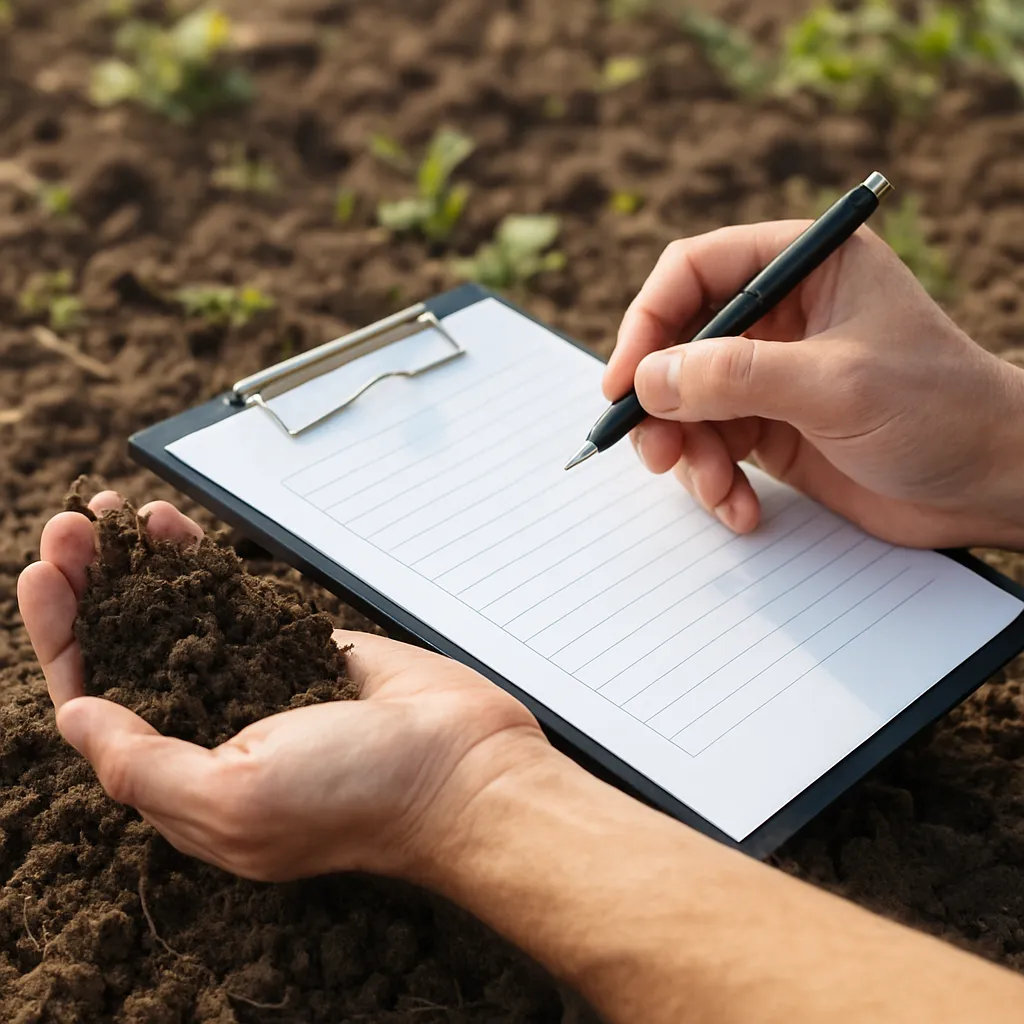
Choosing an ideal plot is the cornerstone of success. Consider soil composition, water availability, and accessibility to nearby towns. A site with well-drained loam-rich soil encourages healthy root development and reduces the risk of disease. Conduct a comprehensive soil test to determine pH and nutrient levels; amend with lime, compost, or organic fertilizers to optimize fertility.
- Irrigation: Install drip or sprinkler systems to conserve water and ensure consistent moisture, crucial during fruit development.
- Zoning and Permits: Verify local agricultural zoning bylaws and secure any necessary land-use permits for public access, parking, and signage.
- Accessibility: Provide widened farm lanes for customer vehicles and ensure safe pedestrian pathways from parking areas to fields.
Choosing Crops and Optimizing Orchard Layout
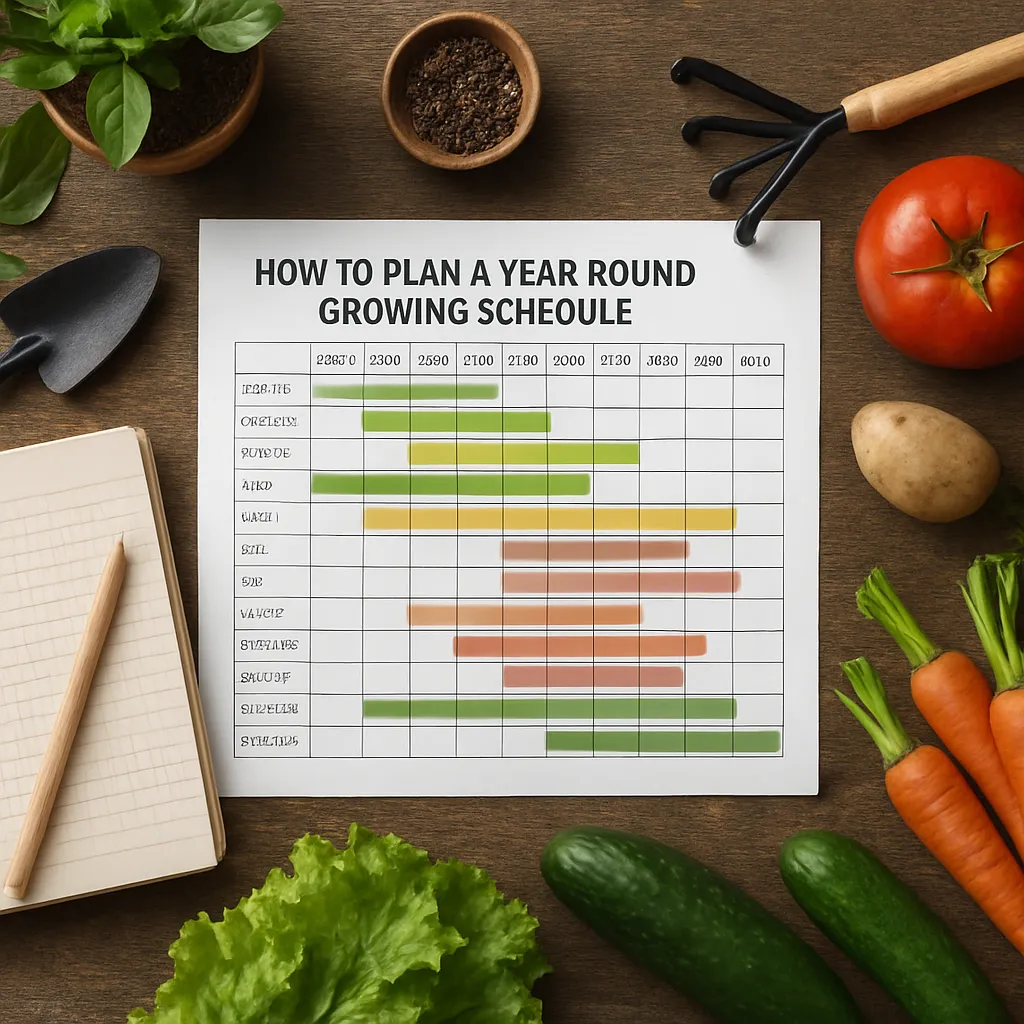
Selecting a balanced mix of early, mid, and late-season crops extends your operational window and maximizes revenue. Popular choices include strawberries, blueberries, raspberries, and tree fruits like peaches, apples, and cherries. Consider the following:
- Variety Trials: Test small batches of multiple cultivars to evaluate taste, yield, and pest resistance before full-scale planting.
- Diversity: Introduce heirloom and organic varieties to attract niche markets seeking premium, sustainable produce.
- Plant Spacing: Optimize row width and plant density to facilitate harvesting, reduce disease spread, and maintain plant vigor.
Implement windbreaks or hedgerows to protect tender crops from high winds, enhance biodiversity, and support beneficial pollinators. Strategic orchard design also allows for easy crop rotation and cover cropping between main seasons to replenish soil nutrients.
Building Infrastructure and Procuring Equipment
A seamless customer journey hinges on reliable infrastructure. Your farm should include:
- Parking Lots: Gravel or grass-based lots with clear signage reduce congestion and improve safety.
- Restrooms and Hand-Washing Stations: Portable or permanent facilities ensure hygiene standards and customer comfort.
- Farm Stand or Kiosk: A sheltered area for weigh stations, payment processing, and point-of-sale displays.
Essential equipment investments may include:
- Tractors and Implements: For land preparation, mowing, and transporting harvested produce.
- Picking Baskets and Bins: Durable, stackable containers that protect fruit integrity during customer picking.
- Scales and Label Makers: For accurate pricing, consumer information, and traceability of harvested goods.
Staffing, Training, and Safety Protocols
Your team will be the face of the operation, guiding visitors through fields and ensuring a positive experience. Key considerations include:
- Recruitment: Hire seasonal labor with strong customer service skills and basic agricultural experience.
- Training Programs: Conduct pre-season workshops on crop identification, pest management, and visitor interaction best practices.
- Safety Measures: Implement emergency response plans, first-aid kits, and clear farm maps highlighting hazard zones.
Ensure all employees understand hygiene requirements, especially if you offer onsite tasting or packaging services. Regular briefings on field maintenance and daily checklists help maintain high standards of cleanliness and quality control.
Marketing Strategies and Customer Engagement
Effective promotion will drive foot traffic and foster loyalty. Combine traditional and digital tactics:
- Social Media Campaigns: Use Instagram and Facebook to share harvest updates, behind-the-scenes videos, and seasonal event announcements.
- Community Partnerships: Collaborate with local chefs, schools, and agritourism networks for farm-to-table dinners, educational tours, and harvest festivals.
- Signage: Eye-catching banners along main roads and directional signs on-site guide visitors and reinforce your brand identity.
Loyalty programs or bulk-purchase discounts encourage repeat visits. Host special events—such as U-pick nights, pumpkin patches in autumn, or holiday wreath-making workshops—to elevate your farm into a year-round destination.
Operations Management and Financial Sustainability
Behind-the-scenes efficiency determines profitability. Track key metrics like cost per acre, yield per variety, labor hours, and visitor count. Implement farm management software to schedule tasks, manage inventory, and monitor sales in real time.
- Budgeting: Allocate funds for seedling purchases, equipment maintenance, and marketing outreach each season.
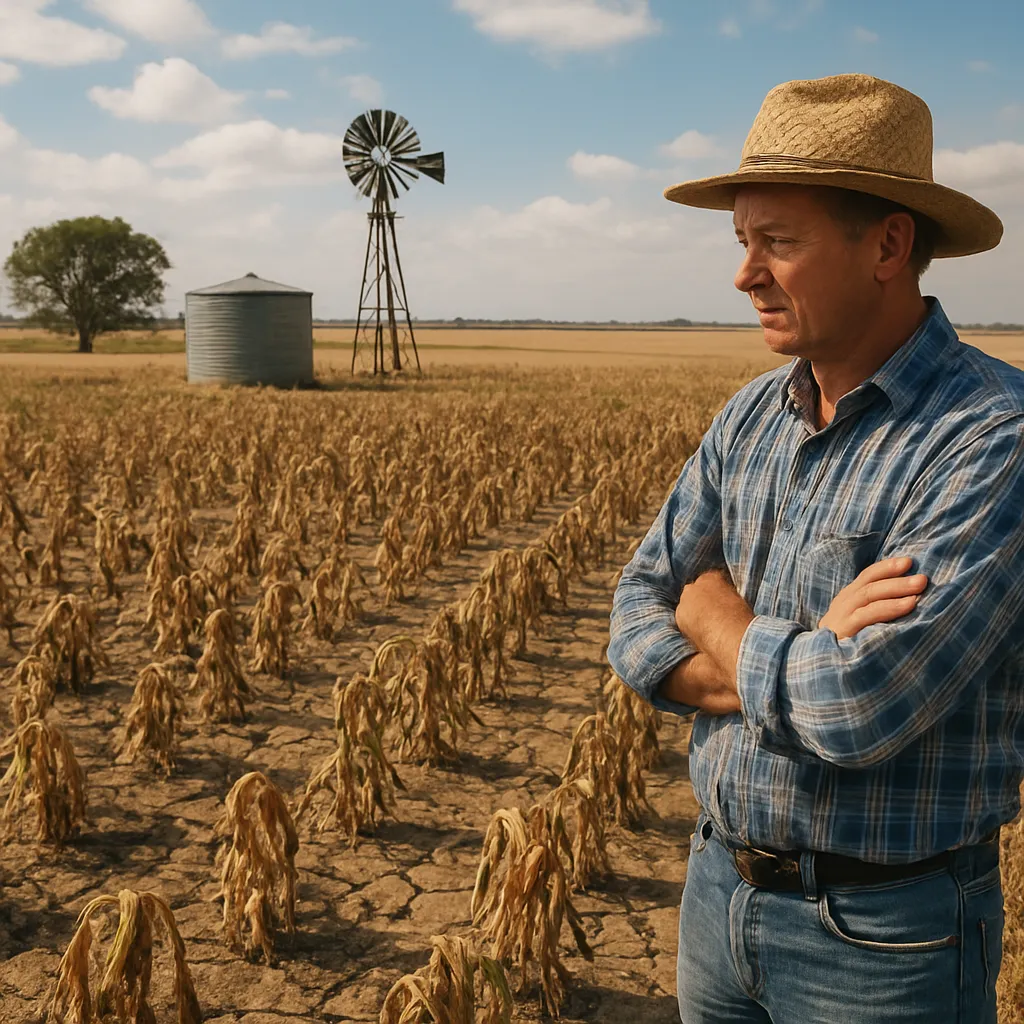
- Insurance and Liability: Secure farm liability insurance to protect against accidents or crop losses due to weather events.
- Sustainability Practices: Incorporate integrated pest management, rainwater harvesting, and renewable energy installations to reduce operating costs and bolster your green credentials.
Regular financial reviews help you adjust pricing, staffing levels, and crop mix to maintain a healthy cash flow. A strategic approach to reinvestment in farm improvements enhances guest satisfaction and drives long-term growth.