Growing beans and legumes in an organic garden is both rewarding and environmentally responsible. These plants enrich the soil, fix atmospheric nitrogen, and offer a nutritious harvest for home cooks and farmers alike. Mastering their cultivation involves understanding variety selection, soil health, planting methods, maintenance routines, and proper harvesting techniques.
Selecting the Perfect Varieties
Choosing the right species and cultivars is the foundation of a prolific legume patch. Common types include bush beans, pole beans, chickpeas, lentils, and peas. Each has unique growth habits and climate requirements.
Climate and Maturity
- Cool-season crops: peas and favas thrive in temperatures between 50°F and 65°F.
- Warm-season crops: snap beans and cowpeas prefer soil above 60°F and air temperatures up to 85°F.
- Days to maturity vary from 50 days for fast-growing bush beans to 120 days for certain heirloom varieties.
Genetic Resistance
- Seek pest-resistant lines to reduce chemical interventions.
- Choose disease-resistant varieties, especially for regions prone to root rot or powdery mildew.
- Select local or heirloom cultivars adapted to your microclimate.
Seed Quality and Treatment
Use certified organic, high-germination seeds. Many growers apply an inoculant of Rhizobium bacteria right before planting. This microbe boosts root nodulation, which enhances natural nitrogen fixation and supports overall plant vigor.
Preparing Soil for Healthy Growth
Legumes grow best in well-drained, loamy soils with a pH between 6.0 and 7.0. Proper soil management promotes root development and yields a higher quality harvest.
Soil Testing and Amendments
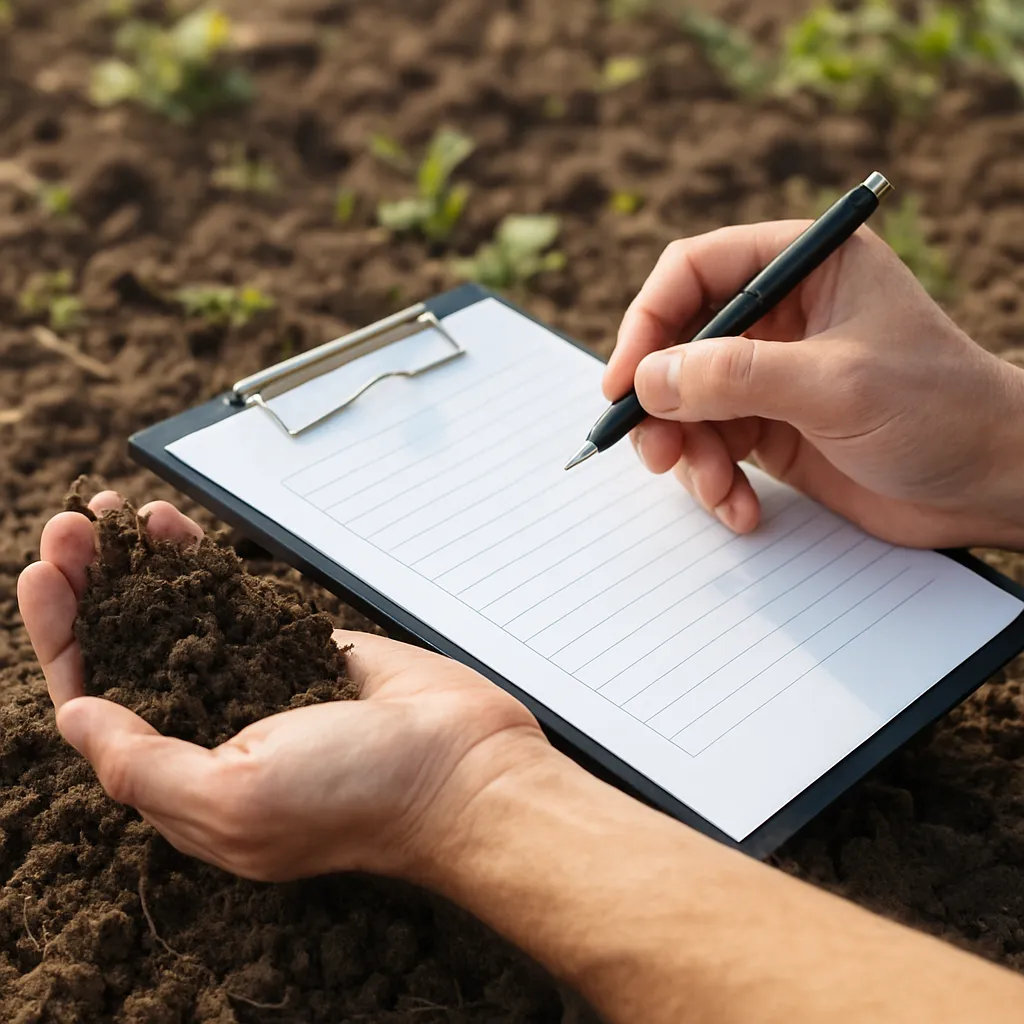
- Conduct a comprehensive soil test: check pH, nutrient levels (phosphorus, potassium, calcium), and organic matter content.
- Adjust pH with lime or sulfur based on test recommendations.
- Incorporate composted manure or green manure crops to increase soil fertility.
Tilling and Bed Preparation
- Avoid deep tillage to protect beneficial soil structure and prevent disturbance of earthworms.
- Create raised beds or ridges for improved drainage in wetter climates.
- Add a layer of well-aged compost before final bed shaping.
Planting Techniques for Vigorous Establishment
Correct sowing methods ensure strong stands and uniform emergence. Timing and spacing are key variables that affect both growth and yield potential.
Sowing Date and Depth
- Direct-seed when soil temperatures reach at least 55°F for peas and 60°F for beans.
- Sow seeds at depths ranging from 1 to 1.5 inches, depending on soil texture; heavier soils favor shallower planting.
- Maintain a consistent moisture level until germination; consider using a biodegradable row cover for protection against late frosts and birds.
Row Layout and Spacing
- Bush beans: 2–3 inches between seeds, 18–24 inches between rows.
- Pole beans: 4–5 inches apart with trellises or teepees spaced 3 feet apart.
- Field legumes: like vetch or clover, sow at broadcast rates of 30–60 lbs per acre, then lightly rake in.
Companion Planting
Interplant beans with biodiversity-friendly partners such as corn, squash, or sunflowers. These configurations can improve shading, support natural pest control, and maximize space usage.
Maintaining and Caring for Your Crop
Once seedlings emerge, attentive care promotes strong vegetative growth and abundant pod set. Focus on water management, weed control, and disease prevention.
Irrigation Strategy
- Supply 1–1.5 inches of water per week, adjusting for rainfall.
- Use drip lines or soaker hoses to deliver moisture directly to the root zone and reduce foliar wetness.
- Mulch with straw or leaf mold to retain soil moisture, suppress weeds, and regulate temperature.
Weed and Pest Management
- Frequent shallow cultivation or hand-weeding minimizes competition.
- Apply organic mulches and intercropping to deter weeds and provide habitat for beneficial insects.
- Monitor for aphids, Mexican bean beetles, and cutworms; use row covers or spot-treat with insecticidal soaps if populations rise.
Disease Prevention
- Rotate legume families every 3–4 years to break disease cycles.
- Ensure air circulation by maintaining proper plant spacing.
- Remove and destroy infected plants promptly to limit spread of fungal pathogens.
Harvesting and Post-Harvest Handling
Timely and careful harvest preserves the quality and longevity of your beans and legumes. Different types require distinct handling procedures.
Harvest Timing
- Snap beans: pick when pods are tender, still bright green, usually 50–60 days after sowing.
- Dried beans and peas: wait until pods fully mature and dry on the vine; moisture content should drop below 15% before shelling.
- Fresh shelling: harvest when pods plump but still tender, often 70–90 days in.
Drying and Storage
- Air-dry in a well-ventilated, pest-free shed or greenhouse.
- Avoid direct sunlight on drying pods to prevent quality degradation.
- After threshing, store seeds in airtight containers at cool temperatures and low humidity to maintain germination and flavor.
Maximizing Yield and Quality
Evaluate each season’s performance to refine your approach. Keep records of:
- Variety success rates and yield per area.
- Pest and disease incidence.
- Soil amendments, inoculant use, and irrigation patterns.
Continuous observation and adaptation will ensure thriving, sustainable bean and legume production for years to come.