Protecting a farm against the relentless forces of wind and water is essential for long-term productivity and economic stability. Erosion can strip away the fertile top layer of soil, reduce crop yields, and undermine the overall sustainability of farming operations. By understanding the mechanisms behind erosion and employing a combination of structural, vegetative, and technological measures, farmers can maintain healthy fields, prevent land degradation, and safeguard future harvests.
Understanding Soil Erosion
Before implementing control measures, it’s crucial to recognize the primary causes and forms of erosion. Two dominant processes threaten farmland:
Water Erosion
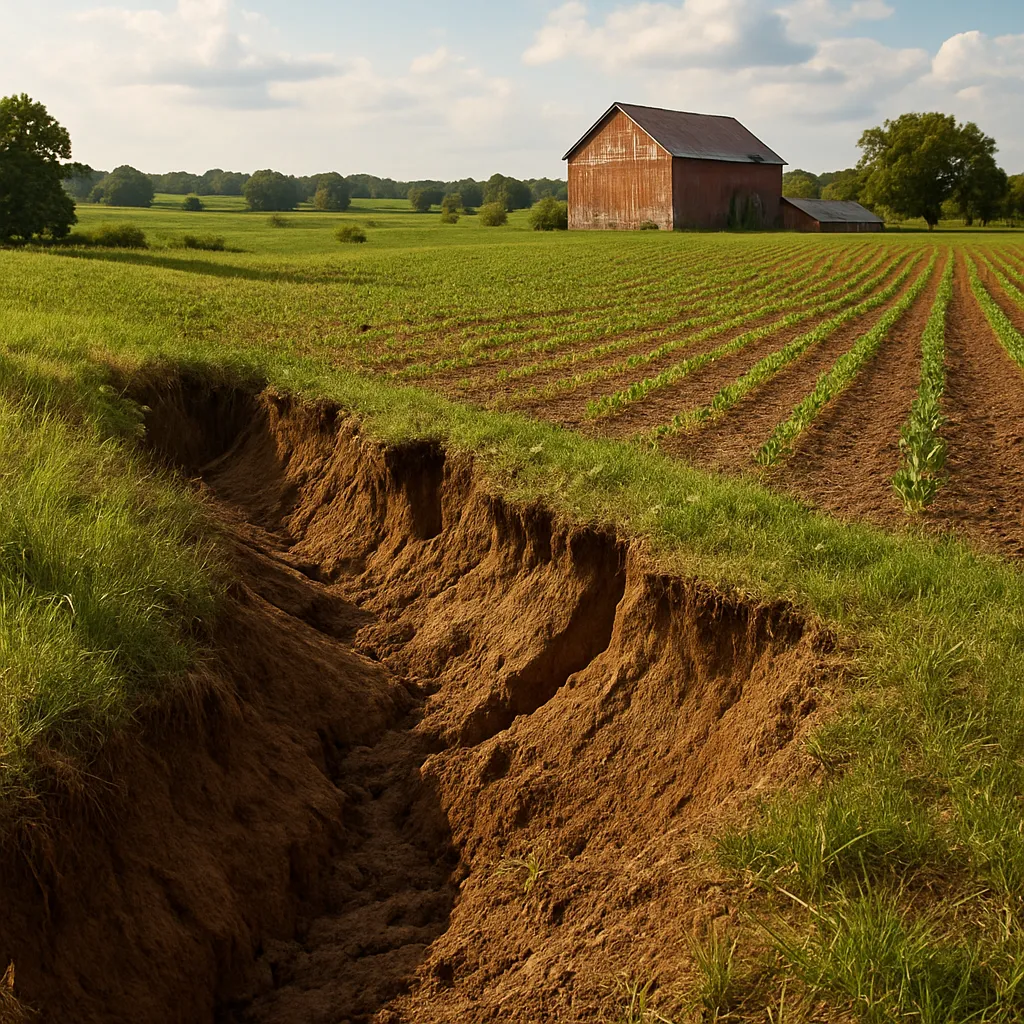
When rainfall intensity exceeds the infiltration capacity of the ground, surface runoff can detach and transport soil particles downhill. Over time, this creates rills and gullies that channel further water flow, exacerbating land loss. Unmanaged water erosion not only removes the nutrient-rich topsoil but also carries sediments into waterways, contributing to downstream flooding and water quality issues.
Wind Erosion
In regions with dry seasons or exposed fields, wind can become a powerful agent of soil loss. Loose, fine particles are lifted and moved across large distances, leading to dust storms and the decline of soil structure. Wind erosion is particularly aggressive on flat, barren expanses where no protective vegetation or residue covers the surface.
Implementing Effective Control Techniques
A multi-layered approach that combines mechanical structures, vegetative barriers, and soil management practices yields the best results. Below is an overview of essential strategies:
- Contour Farming
- Terracing
- Cover Crops
- Mulching
- Grassed Waterways
- Windbreaks
- Retention Ponds and Silt Fences
- Drainage Systems
Contour Farming and Terracing
Working fields along natural elevation contours slows downhill water movement. By plowing, planting, and harvesting parallel to contour lines, farmers reduce runoff velocity and encourage infiltration. In steeper terrains, constructing terraces transforms slopes into step-like platforms, giving water time to percolate and preventing gully formation. These physical modifications often employ earthen risers or stone walls to hold back soil and water.
Cover Crops and Mulching
Growing plants such as clover, rye, or vetch during off-season periods provides a living shield over the ground. Cover crops absorb rainfall, improve soil structure via root networks, and add organic matter when incorporated into the field as green manure. Similarly, applying mulch—whether straw, wood chips, or compost—protects the surface from rain impact, limits evaporation, and suppresses weeds.
Grassed Waterways and Retention Ponds
Designated channels lined with dense grasses or herbs guide runoff safely off fields without incising deep gullies. These conservation waterways dissipate flow energy and capture sediments. For larger catchment areas, retention ponds act as basins to store excess water during storms, giving suspended particles time to settle before controlled release or irrigation reuse.
Windbreaks and Vegetative Barriers
Rows of trees and shrubs placed strategically around fields reduce wind speed, minimizing the lifting capacity of air currents. A properly designed windbreak can shield crops for several hundred feet downwind, trap airborne soil, and diversify the farm ecosystem by providing habitat for beneficial wildlife. Combining evergreens with deciduous species ensures all-year protection and seasonal leaf drop adds nutrients to the ground.
Practical On-Farm Measures and Maintenance
Installing erosion control features is only the first step. Ongoing monitoring and maintenance keep systems functioning effectively and extend their lifespan.
- Regular inspections after heavy rains or strong winds
- Repairing damaged terraces, fences, and channels
- Replanting vegetation in bare or vulnerable spots
- Keeping drainage inlets and outlets clear of debris
- Recording soil loss data for adaptive management
Inspection and Monitoring
Farmers should schedule visual checks of key erosion control structures, especially following extreme weather events. Documenting any signs of gully formation, sediment buildup, or structural wear enables timely repairs. Installing simple erosion pins—metal rods placed vertically in the ground—allows precise measurement of soil loss over a season.
Drainage and Water Management
Proper drainage prevents ponding and waterlogging that erode soil bulk. Combining subsurface tiles with surface ditches guides excess moisture away from crop zones. Adjustable risers can regulate water levels in retention ponds and wetlands, ensuring balanced storage capacity without breaching embankments.
Soil Health and Amendments
Maintaining a robust soil profile with good organic content improves aggregate stability and resistance to erosion. Regular soil testing reveals deficiencies in pH, nutrients, and structure. Applying compost, biochar, or well-balanced fertilizers strengthens the root zone, fosters microbial activity, and enhances water retention.
Innovative Technologies and Future Trends
Advances in precision agriculture offer new tools for erosion management. GPS-guided equipment enables ultra-precise contour planting, reducing overlap and soil disturbance. Drones equipped with multispectral sensors monitor plant cover, detect bare patches, and generate high-resolution erosion risk maps. Geographic Information Systems (GIS) integrate rainfall patterns, topography, and land use to model vulnerable areas and prioritize mitigation efforts.
Combining traditional best practices with modern innovations ensures that a farm’s soil resources remain protected against the forces of wind and water. By investing in well-designed structures, maintaining healthy vegetation, and leveraging emerging technologies, farmers can secure fertile fields for generations to come.