Growing organic strawberries can be a rewarding undertaking for both home gardeners and small-scale farmers. These tender fruits, prized for their vibrant color, sweet flavor, and nutritional benefits, thrive when nurtured with ecological practices. From selecting the right site to implementing effective pest management, every step plays a vital role in a successful harvest of organic strawberries.
Soil Preparation and Site Selection
Choosing the Perfect Location
Strawberries require full sunlight—ideally six to eight hours per day—to produce succulent berries. Select a site with well-drained soil to prevent root rot. Avoid low-lying areas where frost or standing water can accumulate.
Testing and Amending Soil
Begin by testing soil pH; strawberries prefer a pH between 5.5 and 6.8. If your soil is too acidic, apply lime; if too alkaline, add sulfur according to soil test recommendations. Incorporate plenty of compost and well-rotted manure to improve texture and fertility. A soil rich in organic matter retains moisture and offers essential nutrients for vigorous plant growth.
- Drainage: Enhance with sand or grit if the soil is heavy clay.
- Organic matter: Work in 3–4 inches of compost before planting.
- Raised beds: Consider building raised beds to boost both drainage and soil warmth.
Choosing the Right Varieties
Day-Neutral, June-Bearing, or Everbearing?
Strawberry varieties fall into three main categories:
- June-bearing: Produce one large crop in late spring to early summer. Ideal for high yields over a short period.
- Everbearing: Yield two to three smaller harvests, typically in spring and fall.
- Day-neutral: Offer continuous fruiting throughout the growing season, as long as temperatures remain moderate.
Select a variety suited to your climate and intended harvest schedule. For instance, day-neutral cultivars excel in cooler regions, while June-bearing types thrive in areas with distinct seasons.
Planting Techniques and Spacing
Timing Your Planting
In most temperate areas, early spring—just after the last frost—is the best time to plant strawberries. In warmer climates, you may also establish plants in autumn, allowing them to root before winter.
Proper Spacing and Layout
Correct spacing ensures adequate airflow, reducing disease risk and promoting strong growth. For matted-row systems, plant 12 to 18 inches apart in rows spaced 36 inches apart. In hill systems (common for day-neutral varieties), maintain 8 to 12 inches between plants and 12 to 18 inches between rows.
- Ensure the crown sits at soil level; burying it too deeply can cause rot, while exposing it too much leads to dehydration.
- Firm the soil gently around each plant to eliminate air pockets.
- Water immediately after planting to help roots establish contact with the soil.
Maintenance: Watering, Weeding, and Mulching
Efficient Irrigation Practices
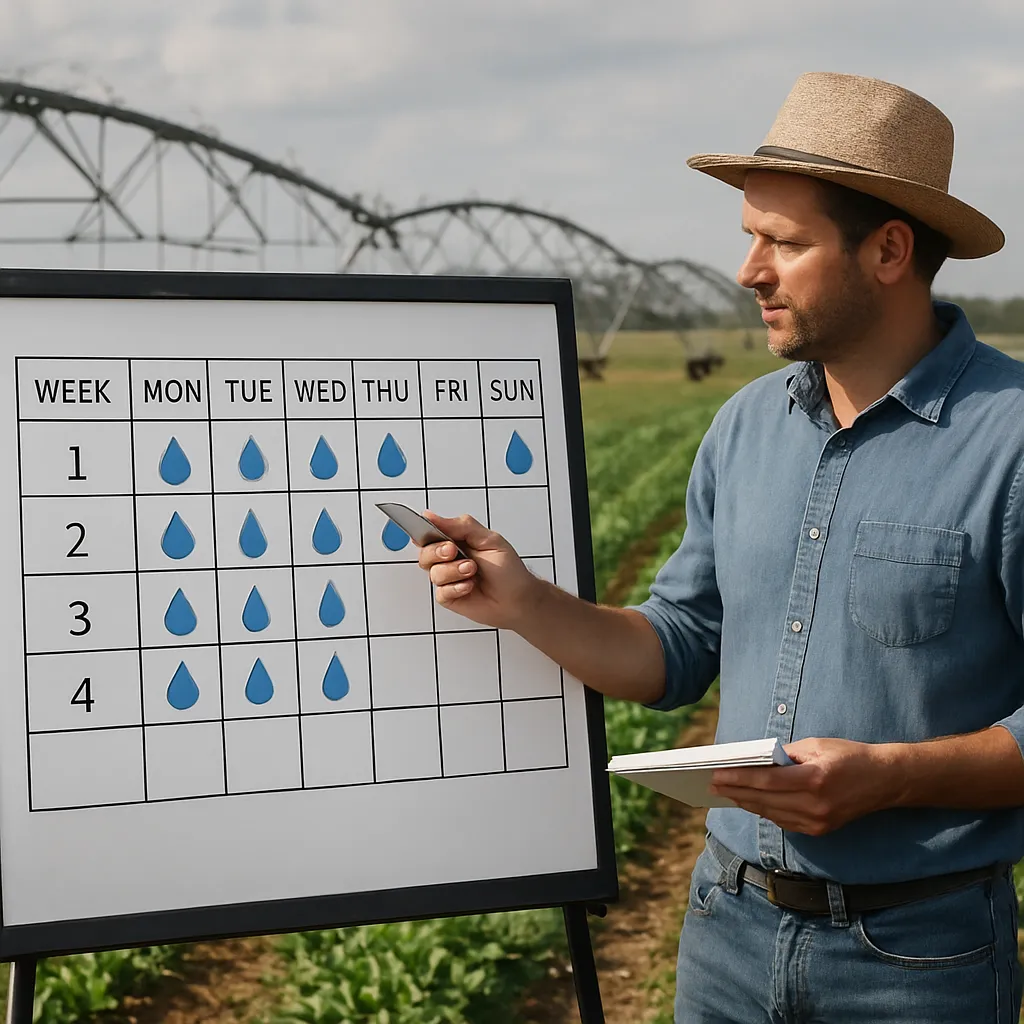
Consistent moisture is crucial, especially during flowering and fruit development. Use drip irrigation or soaker hoses to deliver water directly to the root zone, minimizing evaporation and reducing the chance of foliar diseases.
Controlling Weeds and Preserving Soil Moisture
Keep rows free of competing weeds that steal nutrients and water. Hand-weeding is effective in small plantings, while careful cultivation between rows can work in larger setups.
- Mulch: Applying straw or wood-chip mulch around plants helps maintain soil moisture, suppress weeds, and insulate roots against temperature extremes.
- Replace or refresh mulch annually to prevent mold and maintain effectiveness.
Pests and Disease Management
Preventative Cultural Practices
Good sanitation and crop rotation are key to preventing outbreaks. Remove and destroy old leaves and fruit debris after harvest. Avoid planting strawberries where nightshades (tomatoes, potatoes) have grown recently to reduce disease carryover.
Organic Pest Controls
Common threats include slugs, snails, aphids, and birds. Employ the following tactics:
- Row covers: Protect blossoms and early fruit from birds and insects.
- Biological controls: Introduce beneficial insects such as ladybugs for aphid management.
- Organic baits: Use iron phosphate slug pellets safe for wildlife and pets.
- Neem oil or insecticidal soap: Apply at dusk to control soft-bodied insects.
Fungal and Bacterial Diseases
Gray mold (Botrytis cinerea), powdery mildew, and verticillium wilt can impact strawberry health. Strategies include:
- Maintain good air circulation by following proper spacing guidelines.
- Avoid overhead watering; water at the soil level instead.
- Remove infected leaves promptly and dispose of them away from the planting area.
Harvesting and Post-Harvest Care
Timing Your Harvest
Strawberries are ready when they are fully colored and firm. Check plants every two days during peak season. Harvest early in the morning when berries are cool to preserve flavor and extend shelf life.
Proper Handling and Storage
Handle berries gently to avoid bruising. Do not wash before storage; moisture can accelerate spoilage. Instead:
- Remove caps and any decayed fruit.
- Place berries in shallow containers lined with paper towels.
- Store at 32–34°F (0–1°C) with high humidity to maintain freshness.
For longer-term preservation, consider freezing or making jams and preserves shortly after harvest. This locks in flavor and ensures you can enjoy the fruits of your labor year-round.