Community Supported Agriculture (CSA) transforms the relationship between those who grow our food and those who consume it. By subscribing directly to a farm’s harvest, members become active participants in the agricultural process. This shift redefines the meaning of sustainable living and bolsters local food systems. Instead of relying on distant distributors and volatile market prices, CSA fosters a network where both producers and consumers share the risks and rewards of each season. At its core, this model champions transparency, environmental stewardship, and social connection. Through mutual investment, families gain fresh, nutritious produce while farmers secure reliable income streams. This article explores the multifaceted impact of CSA, illuminating its potential to enhance community vitality, economic resilience, and ecological health.
The Principles of Community Supported Agriculture
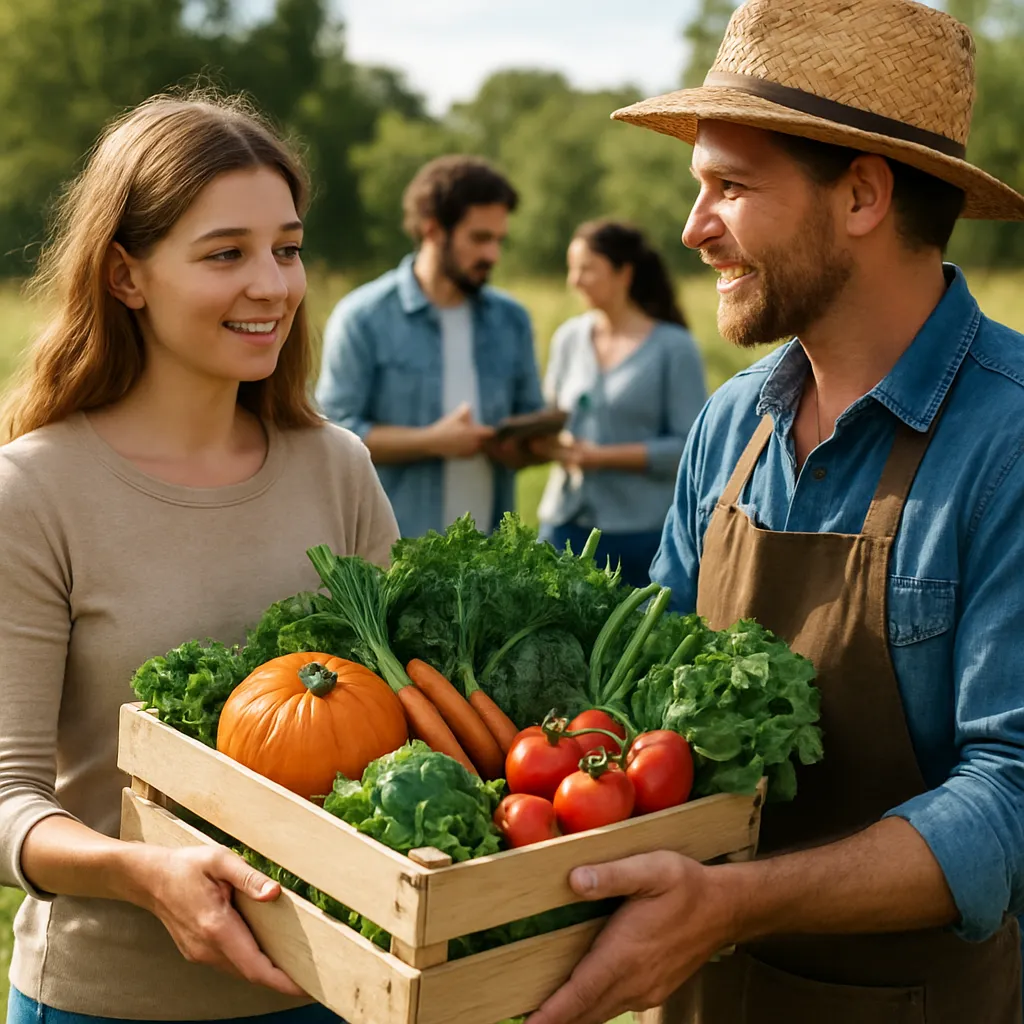
Fundamental to the CSA ethos is the concept of shared responsibility. Members commit to purchasing a share of the farm’s output before planting season begins, offering crucial working capital for seeds, equipment, and labor. In return, they receive weekly or biweekly boxes of fruits, vegetables, eggs, or dairy, depending on the farm’s offerings. This cooperative structure reduces financial pressure on farmers and shields them from unpredictable market fluctuations. Moreover, CSA participants gain insight into production challenges—pests, weather events, soil fertility—fostering deeper appreciation for the food they enjoy. Restaurants, schools, and food banks often participate, extending the benefits of fresh, organic harvests to a broader audience. Through this model, each member becomes both a customer and a stakeholder.
One of the most powerful outcomes of CSA is the strengthening of local ties. Unlike traditional retail, where produce may travel thousands of miles, CSA boxes often contain ingredients harvested within days of delivery. This proximity preserves nutritional value and flavor while reducing the carbon footprint associated with long-distance transport. By embracing seasonality, members learn to cook creatively with what’s ripe at a given moment—heirloom tomatoes in summer, root vegetables in winter—fostering culinary skill and dietary diversity. As a result, communities build resilience to global supply chain disruptions and reconnect with the rhythms of nature. Producers, in turn, can invest in regenerative practices, confident that a supportive consumer base awaits each week’s harvest.
Strengthening Local Economies through Shared Practices
Community Supported Agriculture is more than a food delivery service; it’s an economic engine. Farmer-membership agreements guarantee predictable revenue, enabling small-scale producers to compete with industrial operations. Money spent on CSA often circulates locally, benefiting seed suppliers, equipment repair shops, and skilled laborers. In many regions, local farmers collaborate on infrastructure—shared cold storage, packing facilities, or distribution hubs—to streamline operations and reduce overhead. This cooperative approach fosters innovation, as producers exchange techniques for pest management, crop rotation, and water conservation. The result is a thriving network of enterprises that uplifts entire towns and neighborhoods.
- Strengthened regional supply chains that resist global market shocks
- Job creation in both agricultural and ancillary service sectors
- Enhanced market access for small or beginning farmers
- Promotion of local entrepreneurship and rural revitalization
- Direct investment back into community infrastructure
These collective initiatives amplify the economic benefits of agriculture, shifting profit away from distant processors and distributors. As consumer demand for ethically produced goods rises, municipalities often incorporate CSAs into urban planning, supporting farmers’ markets and community gardens. In some areas, CSA shares double as civic memberships—members volunteer on the land during peak activities like planting and harvest, strengthening social bonds. Such engagement presents a tangible form of civic participation, encouraging diverse demographics to invest in a shared vision of regional prosperity.
Environmental Stewardship and Biodiversity
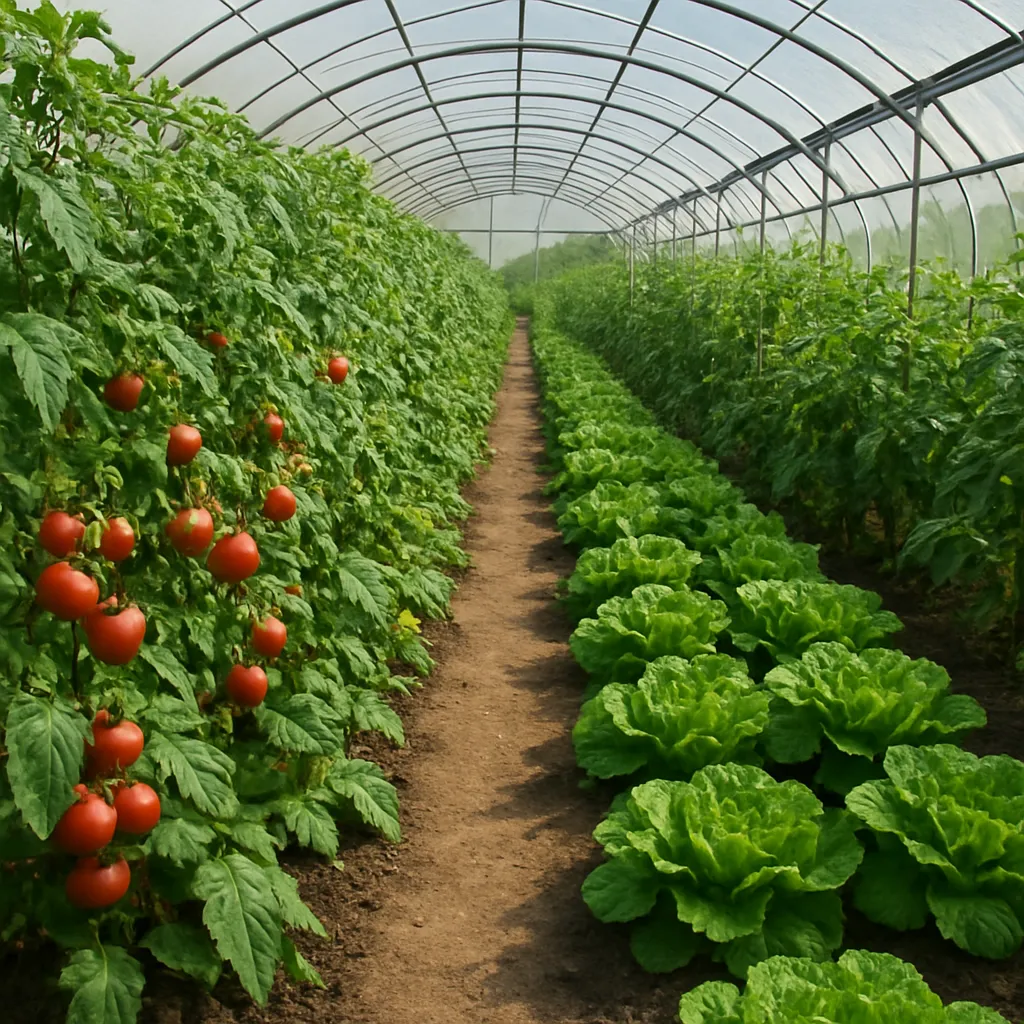
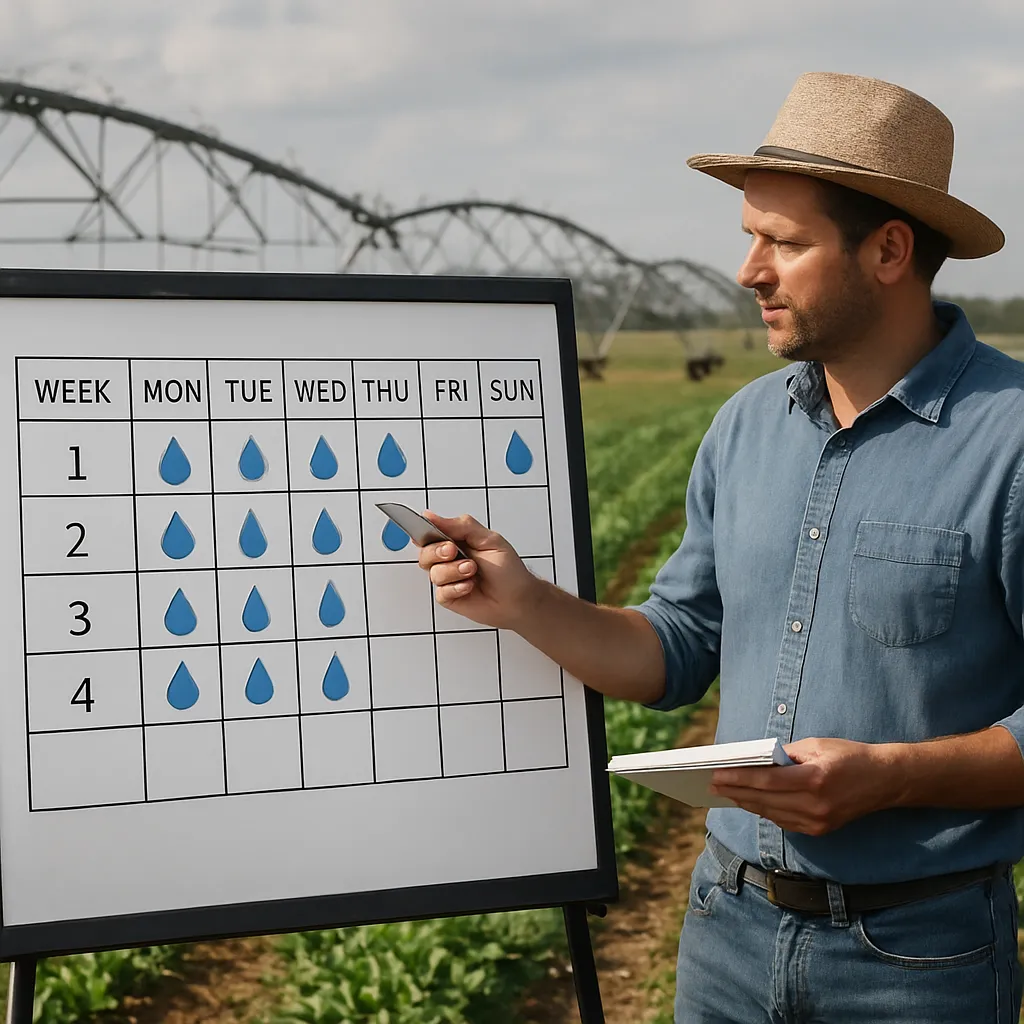
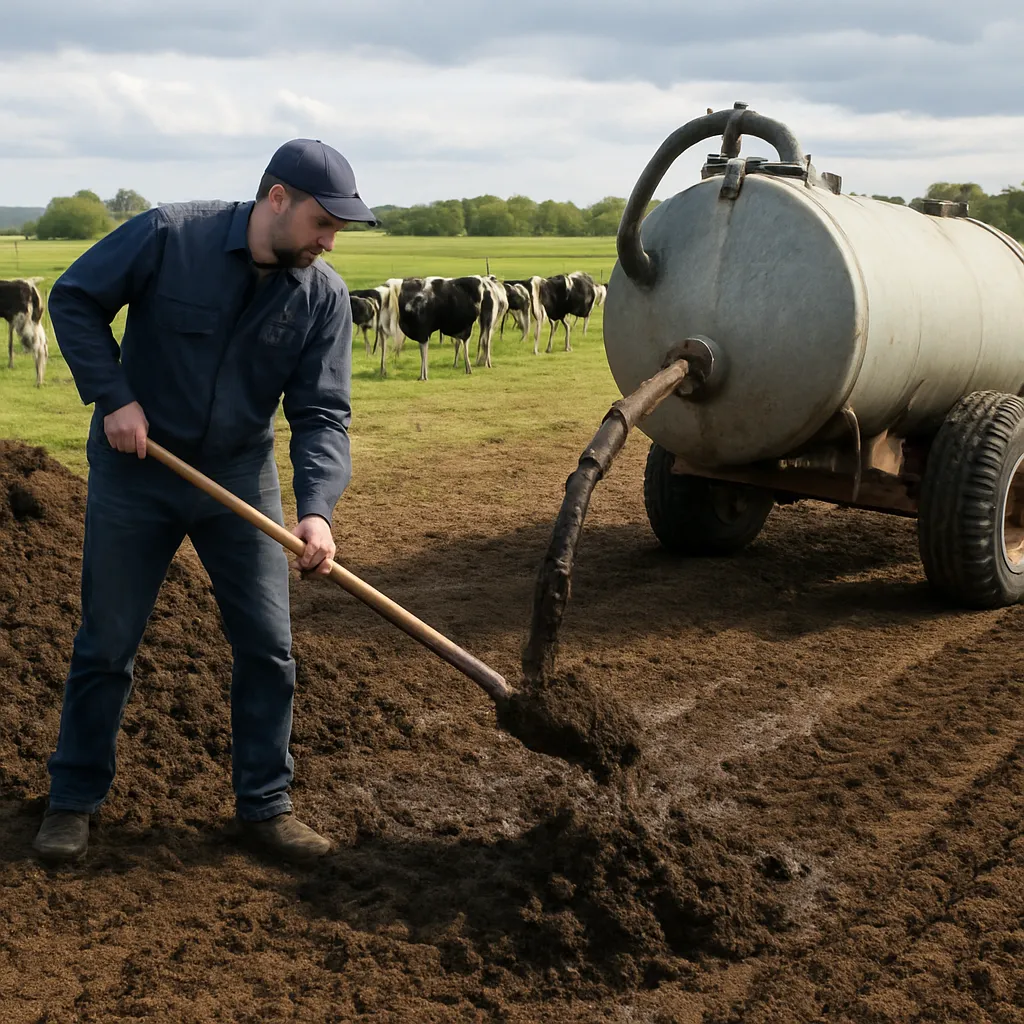
At the heart of CSA lies a commitment to ecological balance. Farms engaged in this model frequently adopt organic and regenerative techniques to maintain healthy soil, conserve water, and protect pollinators. By removing chemical inputs and emphasizing crop diversity, these operations support resilient ecosystems that withstand extreme weather and disease outbreaks. Cover cropping, no-till methods, and integrated pest management not only enhance fertility but also sequester carbon in the ground. Members, informed by farm newsletters and on-site visits, become advocates for these practices, influencing local policy and consumer awareness.
CSA farms also serve as living classrooms. Workshops on composting, seed saving, and natural building attract students of all ages, bridging generational knowledge gaps. This hands-on education fosters an ethic of responsibility, as participants witness the delicate interplay between soil microbes, native pollinators, and crop yields. Many operations partner with schools and universities to study agroecological outcomes, thus contributing valuable data to the broader agricultural community. By integrating research and practice, CSA farms become catalysts for innovation, inspiring replication in diverse climates and contexts.
Building Trust: The Farmer-Consumer Partnership
Transparency is the cornerstone of CSA success. Members often visit the fields to pick their own produce or help with harvest, reinforcing direct relationships with growers. This interaction dismantles the anonymity of conventional supply chains, creating dialogue around cultivation choices, animal welfare, and pricing structures. As trust deepens, participants willingly pay fair rates that reflect true production costs, ensuring farm viability without sacrificing affordability. Such dialogues may address seasonal variability, explaining why some weeks feature kale and squash while others highlight berries or greens.
Additionally, digital platforms enhance communication. Many CSAs use email bulletins, social media, and online dashboards to share planting schedules, weather updates, and recipes. This continuous exchange strengthens the sense of partnership and accountability. When challenges arise—drought, pest infestations, labor shortages—members often step forward with volunteer labor or financial support. These collective efforts exemplify how shared ownership can transform isolated farms into vibrant community hubs. Over time, participants become more than customers; they identify as advocates, educating friends and family about the value of direct-to-farm relationships.
Addressing Challenges and Ensuring Resilience
Despite its many advantages, CSA faces hurdles. Not all consumers can commit to weekly shares, and some may find the variety overwhelming. Weather extremes and labor constraints can disrupt harvest schedules, testing member patience. To overcome these barriers, many CSAs offer flexible share sizes—half shares, add-ons such as eggs or honey, and summer-only memberships. Payment plans and sliding-scale pricing further democratize access, ensuring equity across income levels. By openly discussing these adaptations, farms demonstrate their dedication to inclusive, community-centered agriculture.
Innovation remains key to future growth. Some CSAs integrate agroforestry, blending tree crops with annuals to diversify income and enhance carbon storage. Others partner with chefs to curate special farm-to-table events, strengthening market visibility. Mobile distribution units extend reach into underserved urban neighborhoods, while farm incubator programs nurture emerging growers from marginalized communities. With each endeavor, the CSA model evolves, meeting new social, economic, and environmental demands. Through collaboration and a shared vision, these initiatives chart a path toward food systems that are truly sustainable, just, and nourishing to both people and planet.