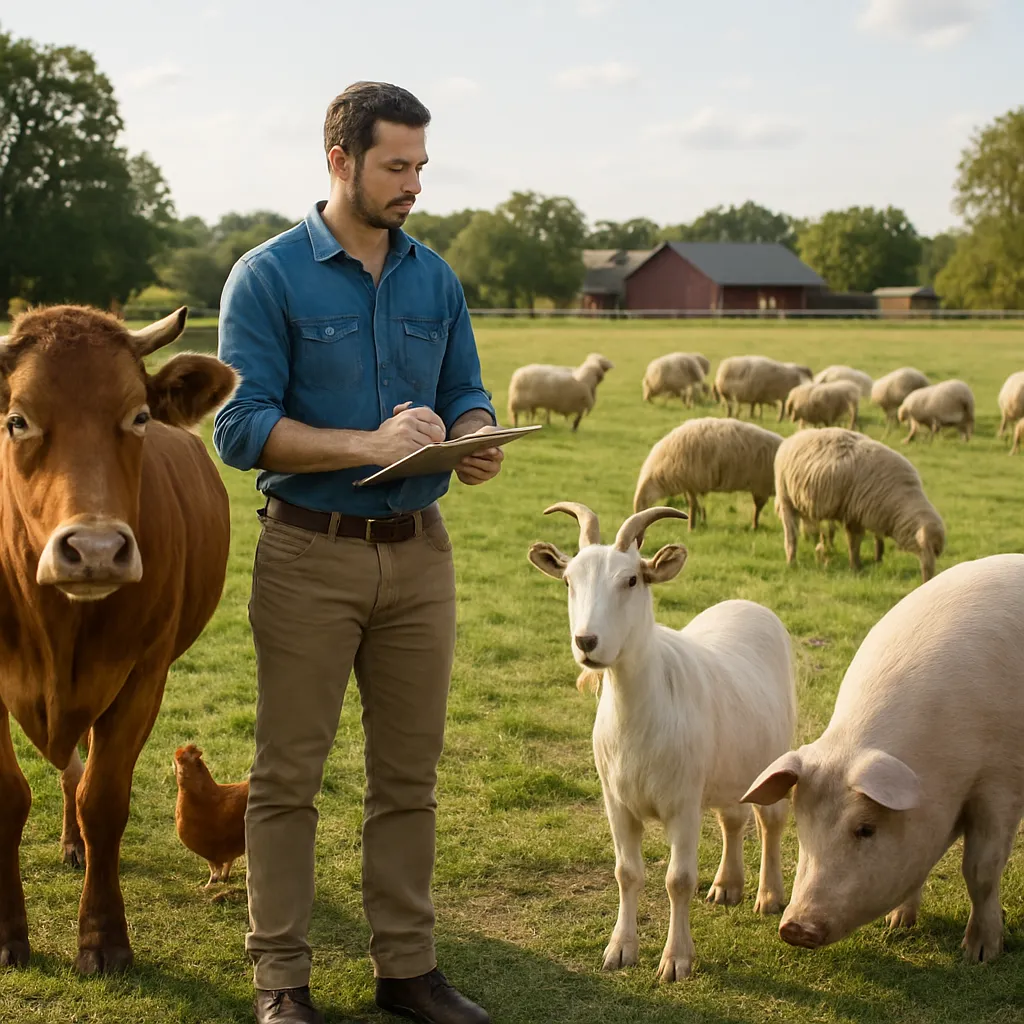
Managing a mixed animal farm requires careful coordination of various livestock species to achieve optimal productivity, animal welfare, and environmental stewardship. By combining different animals—such as cattle, sheep, goats, pigs, and poultry—farmers can enhance resource utilization, foster biodiversity, and create a more resilient agricultural system. This article explores essential strategies and best practices for running a thriving mixed animal operation.
Farm Layout and Species Selection
Choosing the right blend of species is foundational. Consider local climate, available forage, and market demands when selecting animals. For instance, goats excel at browsing shrubs, while cattle prefer grasses. Integrating species with complementary feeding habits can reduce feed competition and improve land use efficiency.
- Goats to control woody vegetation
- Cattle for efficient grass conversion
- Sheep for fine forage harvesting
- Pigs for rotational rooting that enriches soil
- Poultry to manage insect populations and provide fertilizer
Key management practices include zoning pasture areas, providing separate shelters, and ensuring rotational access based on species’ grazing patterns. Proper fencing, water points, and shade structures help maintain orderly movement and reduce stress.
Feeding Strategies and Nutritional Management
Meeting the diverse nutrition requirements of mixed species demands a structured feeding plan. Overlapping diets can lead to competition, while distinct nutrient needs must be accommodated without waste.
Balancing Diets for Multiple Species
Use feed analysis to determine protein, energy, vitamin, and mineral levels. Formulate rations that:
- Provide high-calcium feeds for dairy goats and cows
- Offer high-protein supplements for rapidly growing lambs
- Include fiber-rich byproducts for pig gut health
- Add grit and oyster shell for egg-laying poultry
Custom feeding stations or time-separated feeding can minimize aggressive behavior and ensure each species meets its nutritional needs. Rotating feed types and grazing locations helps prevent overgrazing and preserves forage quality.
Pasture Management and Rotational Grazing
Efficient pasture use is critical for sustainable production. Rotational grazing systems can boost forage regrowth, improve soil fertility, and deter parasite buildup.
Implementing Rotational Systems
Divide pastures into multiple paddocks and move animals frequently—every few days to weeks—depending on growth rates. Alternate species in the same paddock: sheep and goats graze closer to the ground, followed by cattle that can consume tougher stems. This sequence offers several advantages:
- Even forage utilization
- Breaks parasite life cycles
- Enhances soil organic matter through diverse manure deposition
Monitor residual forage height and adjust rotation length to maintain plant vigor. Use temporary electric fencing for flexibility and easy subdivision of grazing areas.
Animal Health and Biosecurity
Maintaining robust herd and flock health is paramount. Mixed species environments can amplify disease transmission risks without proper biosecurity measures.
- Establish quarantine areas for new or returning animals
- Implement regular vaccination and deworming schedules
- Sanitize feeding equipment and water troughs routinely
- Restrict visitor access and disinfect footwear at entry points
- Keep detailed health records for early disease detection
Train staff to recognize early signs of distress or illness. Separation of youngstock from adults can protect vulnerable animals until they develop immunity.
Breeding, Record-Keeping, and Welfare Practices
A robust breeding program and management of genetic diversity contribute to long-term productivity. Maintain accurate records on lineage, performance, and reproductive cycles for each species.
- Use heat detection aids and proper breeding schedules
- Optimize calving, kidding, farrowing, and hatching environments
- Ensure adequate space, ventilation, and bedding to promote welfare
- Implement low-stress handling techniques to reduce injuries
- Use non-slip flooring and well-designed chutes for animal movement
Regular audits of facility design and staff protocols help uphold welfare standards and regulatory compliance.
Environmental Sustainability and Biodiversity
Mixed animal farms have the unique potential to advance sustainable agriculture. Diverse livestock can cycle nutrients, reduce reliance on chemical fertilizers, and improve ecosystem resilience.
- Incorporate agroforestry to provide shade and additional browse
- Plant cover crops to reduce erosion and fix atmospheric nitrogen
- Encourage wildlife habitat to support pollinators and natural pest predators
- Manage water runoff through constructed wetlands and buffer strips
- Use manure as an organic fertilizer to build long-term soil fertility
By fostering a balanced environment, farmers promote soil health, conserve water resources, and protect local biodiversity—cornerstones of long-term farm viability.