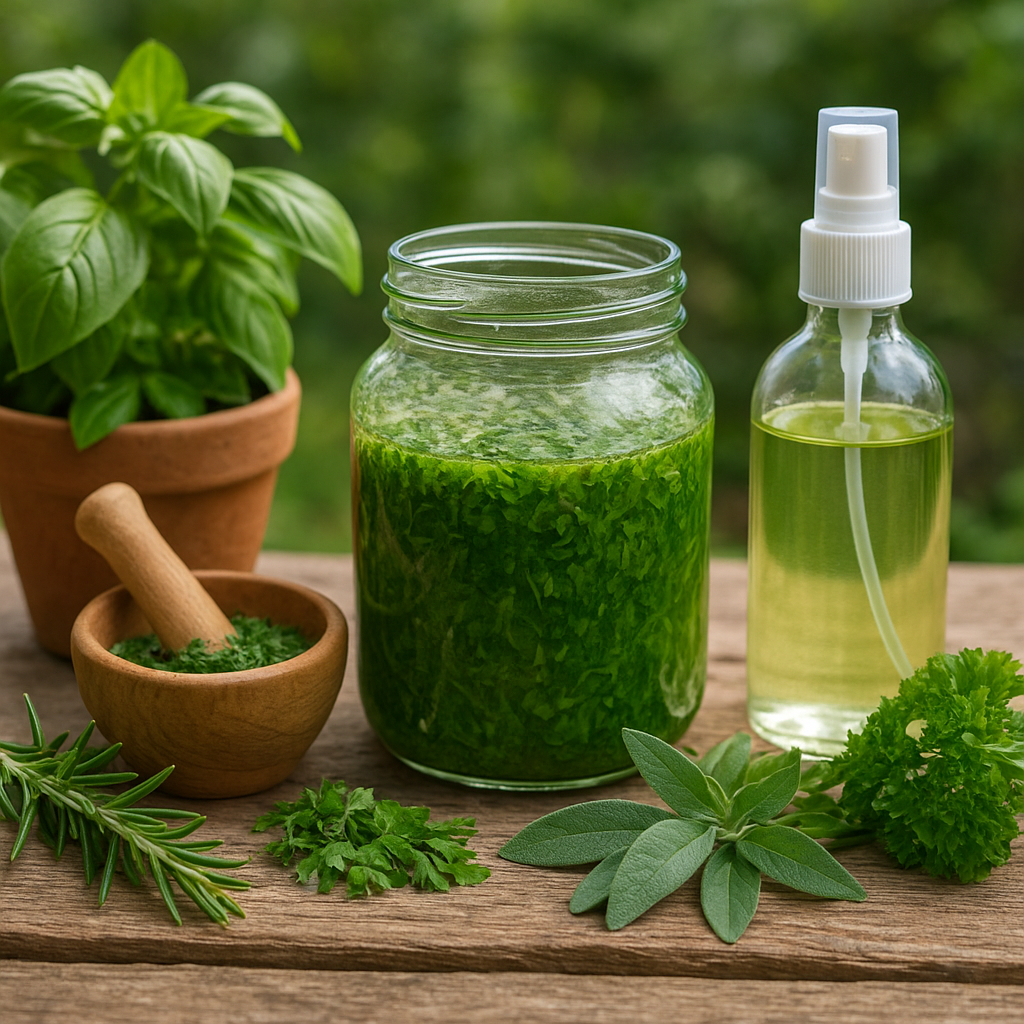
Harnessing the power of common garden herbs to create natural pest controls offers farmers and gardeners an eco-friendly alternative to harsh chemicals. By tapping into the defense mechanisms of plants known for their potent phytochemicals, it’s possible to craft sprays, infusions, and oils that deter or eliminate unwanted insects without harming beneficial species or contaminating soil and water sources.
Benefits of Using Herbal Pesticides
Switching to herbal pest remedies delivers multiple advantages for both small-scale growers and commercial producers. These advantages extend beyond mere pest suppression, influencing overall soil health, biodiversity, and long-term yield stability.
- Biodegradable formulations break down naturally, reducing environmental residues.
- Lower risk of developing pest resistance due to diverse active compounds found in each herb.
- Reduced impact on pollinators and beneficial insects compared to broad-spectrum synthetics.
- Cost-effective: many herbs can be grown on-site, lowering input expenses.
- Supports sustainability goals by minimizing external chemical dependencies.
Common Herbs and Their Active Compounds
Understanding the unique chemical profiles of key herbs allows precise targeting of specific pests. Below are some top choices and the insecticidal agents they contain.
Garlic (Allium sativum)
- Main compound: allicin, which exhibits strong repellent properties against aphids, mites, and beetles.
- Application: crush or blend cloves to release oils, then steep in water or mix with soap for enhanced adhesion.
Chili Peppers (Capsicum spp.)
- Key component: capsaicin, effective as a topical irritant to caterpillars, slugs, and certain beetles.
- Preparation: simmer dried or fresh peppers in water, strain, and combine with a mild surfactant.
Neem (Azadirachta indica)
- Active ingredient: azadirachtin, which disrupts insect growth and feeding behavior.
- Formulation: cold-press seed kernels, dilute in water with an appropriate emulsifier.
Mint (Mentha spp.) and Rosemary (Rosmarinus officinalis)
- Rich in terpenes and essential oils that act as natural repellent barriers.
- Either steep leaves in hot water or steam-distill to concentrate oils for topical use.
Step-by-Step Recipes for Homemade Sprays
These simple recipes require minimal equipment and rely on fermentation or infusion techniques to maximize extraction of herbal actives.
Garlic-Chili Deterrent Spray
- Ingredients:
- 5 cloves garlic, crushed
- 2 fresh chili peppers or 1 tbsp dried chili flakes
- 1 tsp mild liquid soap
- 1 quart (1 L) water
- Instructions:
- Combine garlic and chili in a blender with water; blend until smooth.
- Let the mixture steep for 12–24 hours to enhance extraction.
- Strain through fine cloth or coffee filter to remove solids.
- Add soap as a surfactant; stir gently and decant into a spray bottle.
- Apply to foliage every 7–10 days or after heavy rainfall.
Neem Oil Emulsion
- Ingredients:
- 2 tsp pure neem oil
- 1 tsp mild soap or horticultural oil emulsifier
- 1 quart (1 L) warm water
- Instructions:
- Mix soap and neem oil until a milky emulsion forms.
- Add warm water gradually while stirring to stabilize the solution.
- Spray thoroughly on upper and lower leaf surfaces, especially targeting insect hotspots.
Mint-Rosemary Infusion
- Ingredients:
- 1 cup fresh mint or rosemary leaves, chopped
- 4 cups boiling water
- Instructions:
- Pour boiling water over herbs and cover the container.
- Allow to steep for 24 hours in a cool place to extract volatile oils.
- Strain into a spray container; optional: add a few drops of soap.
- Use as a general repellant against flies, mosquitoes, and ants.
Application Techniques and Safety Tips
Effective application ensures maximum systemic coverage and minimal phytotoxicity. Follow these guidelines for best results:
- Always perform a small-scale patch test on a few leaves to check for burning or discoloration.
- Spray during cooler parts of the day (early morning or late afternoon) to prevent rapid evaporation and leaf scorch.
- Wear protective gloves and eyewear when handling concentrated extracts, especially capsaicin-based blends.
- Rotate different herbal formulations weekly to reduce the chance of pests adapting.
- Target spray on the underside of leaves and along stem junctions where pests often congregate.
Enhancing Effectiveness and Storage
Proper storage and occasional adjustments can prolong shelf life and maintain potency of homemade pesticides.
- Store emulsified oils and infusions in dark, sealed glass bottles at cool temperatures.
- Label each batch with preparation date; most blends remain effective for 1–2 weeks.
- For longer preservation, add a natural preservative such as grapefruit seed extract or vitamin E oil.
- Boost activity by combining two different extracts—for example, neem and garlic—for a broader spectrum.
- Integrate with crop rotation and nutrient cycling practices to support plant resilience and reduce overall pest pressure.