Embracing modern technology in agriculture can dramatically boost productivity while trimming operational expenses. Innovative tools and methods are reshaping how farmers cultivate land, manage resources, and respond to market demands. By integrating cutting-edge solutions, agricultural enterprises can achieve higher outputs with lower inputs, ensuring both profitability and environmental stewardship.
Innovative Machinery Transformations
Advances in farm equipment have revolutionized everyday tasks, from planting seeds to harvesting crops. Farmers no longer rely solely on manual labor or outdated tractors. Instead, they harness automation and intelligent systems designed to streamline processes.
Autonomous Tractors and Robotics
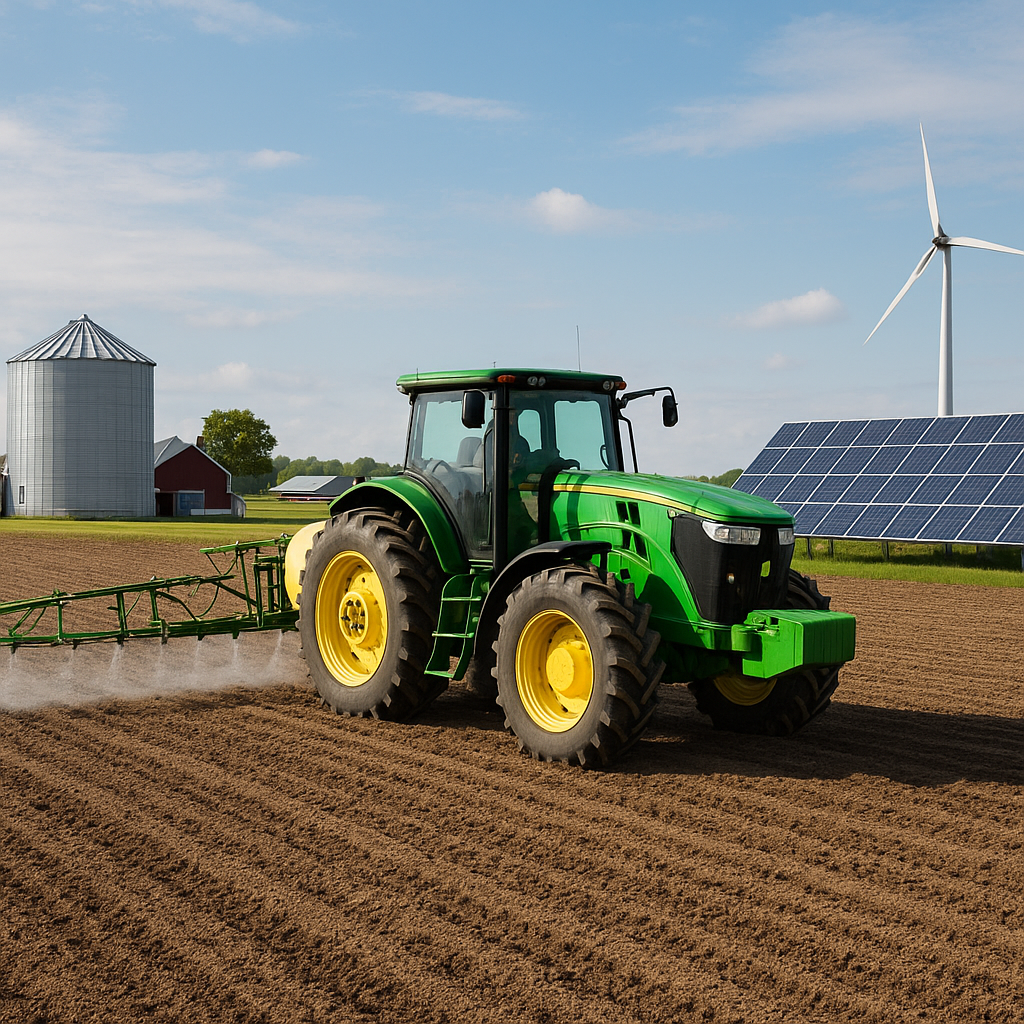
- Autonomous tractors can till, plant, and spray fields without direct human intervention. Using GPS guidance and onboard sensors, these machines follow precise paths to optimize field coverage.
- Field robots equipped with robotic arms handle delicate tasks like picking fruits and removing weeds. This reduces labor costs and minimizes crop damage.
Integration of AI-driven navigation ensures tractors and harvesters operate 24/7, adapting routes based on real-time field conditions. As a result, farms witness marked improvements in efficiency and a reduction in fuel consumption.
Precision Agriculture: Data-Driven Farming
Precision agriculture relies on data analytics, sensors, and satellite imagery to make informed decisions at every stage of crop production. This approach tailors farming practices to specific field zones, optimizing the use of seeds, fertilizers, and pesticides.
Soil Monitoring and Variable Rate Technology
- Soil probes and remote sensors measure moisture levels, temperature, and nutrient content. Farmers receive alerts when conditions deviate from ideal ranges for optimal growth.
- Variable rate applicators adjust fertilizer and seed distribution on-the-go, ensuring each section of a field gets precisely what it needs.
By maintaining healthy levels of nutrients and moisture, farmers protect soil health and prevent overapplication of chemicals. This not only saves money on inputs but also reduces environmental impact.
Drone Surveillance and Mapping
Drones equipped with multispectral cameras capture high-resolution images that highlight plant vigor, pest infestations, and water stress. Flight plans can be automated, covering vast acres in a fraction of the time needed for manual scouting. Data from drone surveys feed into farm management software, guiding targeted interventions. This level of precision ensures treatments are applied only where necessary, boosting crop yield while cutting costs.
Smart Irrigation and Water Management
Water represents one of the highest recurring expenses in farming. Modern irrigation systems integrate sensor networks with automated controls to deliver the right amount of water at the right time.
Soil Moisture Sensors and Weather Forecast Integration
- Smart soil moisture probes detect real-time water levels. When readings fall below set thresholds, pumps and valves activate to irrigate targeted zones.
- Integration with weather forecasts prevents unnecessary watering before rain events. Advanced platforms automatically postpone irrigation when precipitation is predicted.
Such systems foster water conservation by eliminating overwatering and reducing runoff. Farmers can monitor fields remotely via mobile apps, ensuring crops receive optimal hydration without constant on-site supervision.
Drip and Micro-Irrigation Solutions
Drip irrigation delivers water directly to plant roots through a network of tubing and emitters. Coupled with fertigation capabilities, it also administers nutrients in a highly controlled manner. Micro-irrigation setups further minimize evaporation losses, making them ideal for arid regions.
These methods slashes water usage by up to 60% compared to traditional flood or pivot systems, delivering significant savings in both water bills and energy used for pumping.
Renewable Energy Solutions on the Farm
Energy expenses can strain farm budgets, especially for operations relying heavily on electricity for greenhouses, grain drying, and machinery. Implementing renewable energy sources can curb these costs while reducing carbon footprints.
Solar Power Installations
- Solar panels on barn roofs and open fields provide a reliable source of electricity for pumping, lighting, and processing equipment.
- Battery storage systems ensure surplus energy is stored during sunny hours and discharged when demand peaks.
With decreasing hardware costs and available subsidies, solar arrays pay for themselves through long-term savings. Some farmers even sell excess power back to the grid, generating additional revenue streams.
Wind Turbines and Biogas Generators
- Small-scale wind turbines capture local wind resources to supplement grid electricity, particularly beneficial in windy regions.
- Biogas plants convert animal manure and crop residues into methane. The gas fuels generators, providing heat and power while managing waste in an eco-friendly manner.
By leveraging diverse renewable technologies, farms can achieve near-energy independence, protecting themselves from volatile utility rates and ensuring uninterrupted operations.
Digital Marketplaces and E-Commerce Integration
Access to markets determines a farm’s profitability. Modern digital platforms connect producers directly with consumers, retailers, and restaurants, enabling better price realization and reducing middleman fees.
Online Sales Portals
- Custom e-commerce websites allow farms to list products, process orders, and manage deliveries without third-party commissions.
- Subscription-based community-supported agriculture (CSA) models offer consumers weekly or monthly boxes of fresh produce, providing farmers with predictable income.
Blockchain for Traceability
Blockchain technology records every step of a product’s journey, from planting to packaging. This transparent ledger builds consumer trust and can command premium prices for verified organic or sustainably grown goods. The added cost-effectiveness of streamlined logistics and reduced spoilage further enhances bottom lines.
Advanced Breeding and Biotechnology
Genetics-driven solutions accelerate the development of crop varieties tailored to specific climates, pests, and market requirements. By harnessing modern breeding techniques, scientists help farmers cultivate plants with superior traits.
CRISPR and Gene Editing
- Gene editing tools like CRISPR enable precise modifications, introducing disease resistance and drought tolerance without lengthy crossbreeding cycles.
- Enhanced nutritional profiles in staple crops address both yield and public health concerns.
Seed Treatment Innovations
Coating seeds with beneficial microbes enhances germination rates and promotes early plant vigor. Such treatments reduce the need for chemical fertilizers and pesticides, translating to lower input costs and healthier ecosystems.
Collaborative Networks and Farm Management Software
Efficient record-keeping and collaboration platforms unify data from machinery, sensors, employees, and market channels into a single dashboard. This holistic view allows for proactive decision-making and seamless teamwork.
- Farm management software tracks costs, labor hours, harvest volumes, and equipment maintenance schedules in real time.
- Integrated communication tools ensure that agronomists, field workers, and managers remain synchronized on tasks and schedules.
With all information accessible via smartphones or tablets, management teams can swiftly identify bottlenecks and adjust strategies for maximum sustainability.