Proper farm operations rely heavily on systematic equipment monitoring and comprehensive log-keeping. Farmers who prioritize meticulous documentation of every repair, inspection, and usage detail can significantly boost overall productivity and reduce unforeseen costs. Such practices are vital for optimizing workflows, guaranteeing compliance with regulations, and extending the lifespan of valuable machinery.
Enhancing Operational Efficiency
One of the primary benefits of maintaining detailed farm equipment logs is the dramatic improvement in efficiency. By keeping accurate records of fuel consumption, operating hours, and performance metrics, farmers can identify patterns that indicate suboptimal usage. For example, tracking the hours a tractor operates per day helps determine whether it is being overutilized or underutilized. Daily or weekly log entries support data-driven decisions, such as reallocating machines to tasks matching their capacity or scheduling staggered operations to avoid idle time.
Another key factor contributing to enhanced efficiency is the ability to track maintenance history. When service intervals are logged diligently, tasks such as oil changes, filter replacements, and lubrication can be scheduled at the most effective times. This proactive approach ensures that equipment remains in peak condition and prevents small issues from escalating into major breakdowns. Moreover, digital logbooks with reminders and alerts can streamline workflow by notifying operators of upcoming service dates.
Centralized logs also facilitate better communication among farm staff. When multiple operators share the same machinery, it is essential that each person records incidents or irregularities immediately after use. By standardizing log entries—whether through mobile apps or paper forms—managers can quickly access critical information without navigating fragmented or inconsistent sources. This transparency not only saves time but also fosters a culture of accountability and teamwork.
Preventing Costly Downtime
Unplanned machine failures can cripple a busy farm during crucial planting or harvest windows. Detailed logs act as an early warning system, flagging deviations in performance before catastrophic breakdowns occur. Monitoring parameters such as engine temperatures, hydraulic pressures, and vibration levels can reveal minor issues like clogged filters or loose belts. Addressing these items promptly prevents extended downtime and significant revenue loss.
Financially, unrecorded maintenance expenses add up quickly. Without clear documentation, farm managers may forget previous warranty claims or overlook existing service agreements, leading to redundant out-of-pocket repairs. By recording each repair, invoice, and warranty detail in a unified log, operators can maximize manufacturer support and ensure that covered replacements are claimed correctly. This strategic approach reduces unnecessary costs and improves overall cash flow management.
- Log every repair date and the part replaced
- Note the service provider and associated costs
- Record warranty periods for each component
- Track recurring faults to spot systemic weaknesses
Implementing a color-coding system or priority tags in physical logs can further expedite troubleshooting. For instance, entries marked as “urgent” or “critical” prompt immediate action, whereas “routine” tasks can be scheduled during low-activity periods. Such visual cues accelerate response times and keep machines running smoothly during peak demand.
Ensuring Safety and Compliance
Safety regulations in agriculture are becoming increasingly stringent. Proper documentation of vehicle inspections, safety checks, and operator training is not just best practice—it’s often a legal requirement. Maintaining detailed logs demonstrates due diligence and provides evidence of compliance during audits or inspections by regulatory bodies. This reduces the risk of penalties and supports a culture that values safety above all else.
Accident investigations rely heavily on historical data. If an incident occurs, investigators will examine previous maintenance entries to determine if neglect or equipment failure was a contributing factor. Comprehensive logs that highlight regular brake tests, lighting checks, and protective device inspections can exonerate farm owners from liability if all protocols were followed properly.
Employee training records can also be integrated into equipment logs. By documenting each operator’s certification dates, refresher courses, and machine-specific training sessions, managers ensure that only qualified personnel handle complex machinery. This not only minimizes the chance of human error but also improves workforce confidence and competency.
Optimizing Maintenance Schedules and Longevity
Farm machinery represents a significant capital investment. Properly maintained tractors, combines, and planters can serve multiple generations of farmers if cared for diligently. Detailed logs support a predictive maintenance model, where parts are replaced based on condition rather than fixed time intervals. This strategy avoids premature component replacement and prolongs useful life.
For instance, monitoring hydraulic hose wear through pressure test records can determine the optimal replacement point just before failure becomes imminent. Similarly, tracking engine oil analysis results uncovers coolant contamination or metal debris that foreshadows major internal damage. Such condition-based maintenance helps distribute repair costs evenly and eliminates expensive emergency overhauls.
- Schedule major overhauls during off-season periods
- Set alerts for fluid sampling and vibration analysis
- Use historical data to forecast part lifespans
- Adjust maintenance intervals based on actual usage patterns
These practices enhance the reliability of every machine on the farm and build a comprehensive knowledge base for future investment decisions. Knowing which models require more frequent attention guides purchases toward equipment with a proven track record of durability and cost-effectiveness.
Integrating Digital Tools for Seamless Reporting
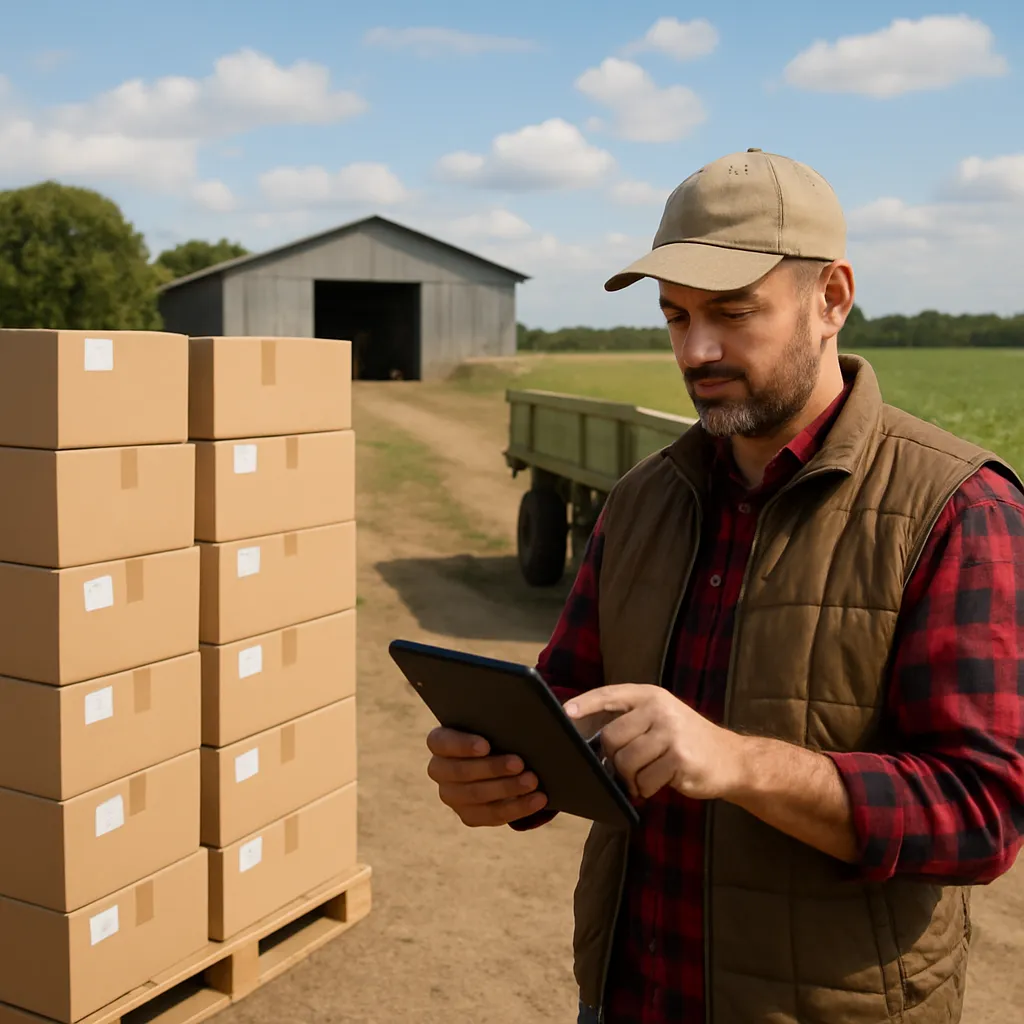
Advances in farm management software have transformed log-keeping from tedious paperwork into streamlined digital processes. Mobile applications allow operators to enter data on the go, capture images of wear or damage, and upload GPS-tagged records for location-specific insights. Dashboards visualize trends and generate automated reports, saving hours of manual compilation.
Cloud-based storage ensures that logs remain accessible even if local devices fail. Armed with real-time analytics, farm managers can rotate equipment across different fields, balance workloads, and plan ahead for peak periods. Integrating telemetry data from modern tractors and harvesters further enhances documentation accuracy, reducing human error in data entry.
By embracing digital transformation, farms can achieve unprecedented levels of operational clarity. Coordination between field activities and maintenance crews becomes seamless, and long-term archives pave the way for continuous improvement. Ultimately, technology-driven log systems elevate the entire agricultural enterprise.
Conclusion
Maintaining thorough farm equipment logs is not a mere administrative task; it is an indispensable component of modern agriculture. From boosting productivity and preventing unforeseen breakdowns to ensuring compliance and extending machinery life, the benefits are multifaceted. Establishing a disciplined approach to documentation empowers farmers to harness data-driven insights, optimize resources, and safeguard their operations against costly disruptions.