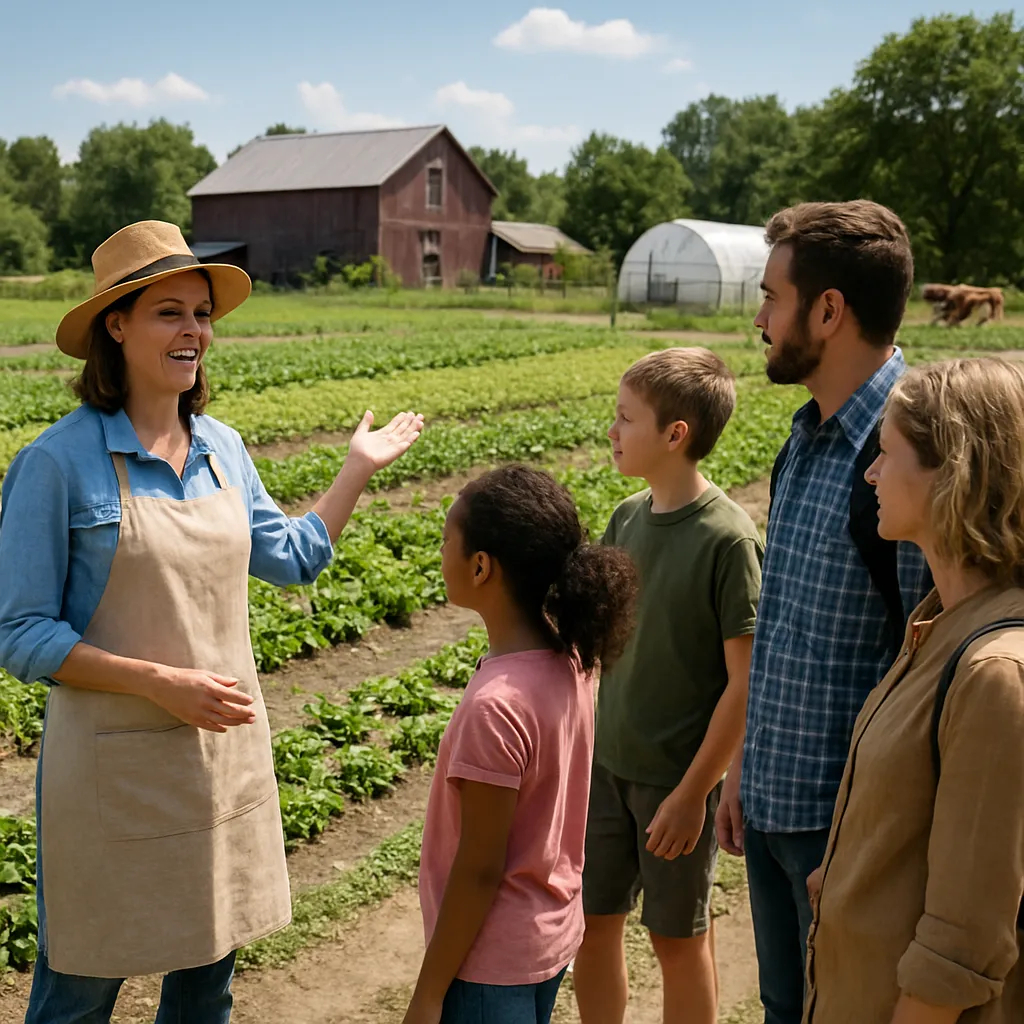
Embarking on an educational farm tour initiative offers a unique opportunity to blend hands-on learning with the serenity of rural life. By providing participants with immersive experiences, you can foster a deeper appreciation for agriculture, healthy eating, and environmental stewardship. Crafting a successful **educational** **farm** **tour** **program** requires a harmonious balance of engaged curriculum, efficient **logistics**, community outreach, and ongoing evaluation.
Designing Your Educational Farm Tour Experience
Setting Clear Learning Objectives
Before welcoming your first visitors, define precise educational goals. Are you introducing children to the basics of plant biology, offering adult groups insights into **sustainable** farming, or providing culinary tours highlighting farm-to-table cooking? Establishing core objectives will guide curriculum development, staffing needs, and resource allocation.
Structuring an Engaging Curriculum
An effective curriculum blends theoretical concepts with **hands-on** activities. Consider organizing stations or zones where participants can:
- Plant seeds and understand germination processes.
- Observe pollinators in action within a flower garden.
- Handle farm animals under guided supervision.
- Extract honey from hives or make butter from fresh cream.
- Participate in composting demonstrations.
Integrating interactive discussions at each station helps reinforce key terms—such as **biodiversity**, **soil health**, and **ecosystem**—and makes the tour memorable.
Tailoring Tours to Diverse Audiences
Offer multiple tour tracks to accommodate varying age groups and interests:
- Family-friendly tours with simplified language and shorter durations.
- School groups with worksheets, quizzes, and follow-up classroom materials.
- Adult workshops focusing on advanced topics like organic certification, permaculture, or renewable energy integration.
By customizing content, you ensure each group leaves with a sense of achievement and a deeper understanding of how agriculture impacts daily life.
Developing Logistical and Operational Framework
Site Preparation and Infrastructure
A well-maintained venue enhances both safety and aesthetics. Key considerations include:
- Clearly marked pathways, seating areas, and rest zones.
- Sanitization stations and restroom access.
- Informational signage with brief descriptions of crops, animals, and equipment.
- Weather-resistant shelters or tents for inclement conditions.
Investing in sturdy signage and comfortable viewing platforms encourages participants to linger and absorb information, making the **tour** more impactful.
Ensuring Safety and Compliance
Implement rigorous safety protocols to protect both visitors and farm animals. This includes:
- Conducting risk assessments and obtaining necessary liability **insurance**.
- Providing personal protective equipment (gloves, boots, hats) when needed.
- Training staff and volunteers in first aid, animal handling, and emergency procedures.
- Establishing clear guidelines for contact with livestock (handwashing, no feeding unauthorized feed).
Communicating these rules at the start of the tour fosters a culture of respect and attentiveness.
Staffing and Volunteer Coordination
Your team is the backbone of a successful program. Recruit individuals passionate about agriculture and skilled in public speaking. Offer comprehensive orientation sessions covering:
- Core **program** objectives and daily schedules.
- Techniques for engaging different age groups.
- Protocols for handling unexpected situations (lost children, medical emergencies).
Regular check-ins, performance feedback, and appreciation events maintain morale and ensure consistent quality.
Marketing and Community Engagement
Building a Brand Identity
Craft a compelling story that communicates the mission and unique aspects of your tour. Highlight features such as:
- Exclusive behind-the-scenes access to greenhouses or barns.
- Seasonal events (harvest festivals, spring planting days).
- Collaborations with local chefs, artists, or scientists.
Use a memorable logo, color palette, and tagline to create a cohesive visual presence across brochures, websites, and social media channels.
Targeted Outreach Strategies
Effectively connect with potential participants through:
- Social media campaigns showcasing video snippets, participant testimonials, and upcoming schedules.
- Partnerships with nearby schools, community centers, and youth organizations.
- Local media coverage—invite journalists or bloggers to experience a free tour in exchange for a feature story.
- Referral programs offering discounted tickets for group bookings.
Consistent and genuine engagement fosters trust and builds a loyal community of repeat visitors.
Measuring Impact and Ensuring Sustainability
Collecting Feedback and Data
Deploy surveys, comment cards, and follow-up emails to gauge participant satisfaction and learning outcomes. Key metrics to track include:
- Overall satisfaction ratings.
- Knowledge retention (pre- and post-tour quizzes).
- Repeat visitation rates and referrals.
- Engagement levels during interactive activities.
Analyze this data to identify strengths, address weaknesses, and tailor future tours for maximum impact.
Financial Planning and Resource Management
Maintain a detailed budget that accounts for:
- Operational costs (staff wages, utilities, insurance).
- Marketing expenses and promotional materials.
- Capital improvements (pathway repairs, signage upgrades).
- Contingency funds for unexpected repairs or weather-related disruptions.
Consider multiple revenue streams—such as gift shop sales, farm-to-table dinners, or private event rentals—to **diversify** income and build resilience against seasonal fluctuations.
Long-Term Growth and Partnerships
Forge relationships with educational institutions, agricultural extension services, and environmental nonprofits. Collaborative projects—like research trials or community gardens—can enhance your program’s credibility and attract grant funding. Encourage local businesses to sponsor events, providing them with promotional opportunities while supporting your mission.
Adapting to Evolving Trends
Stay informed about innovations in agriculture and education. Integrate elements like hydroponic displays, drone demonstrations for crop monitoring, or virtual reality experiences that transport participants to global farming communities. By remaining agile and forward-thinking, your **program** will continue to inspire and educate future generations about the vital role of agriculture in our world.