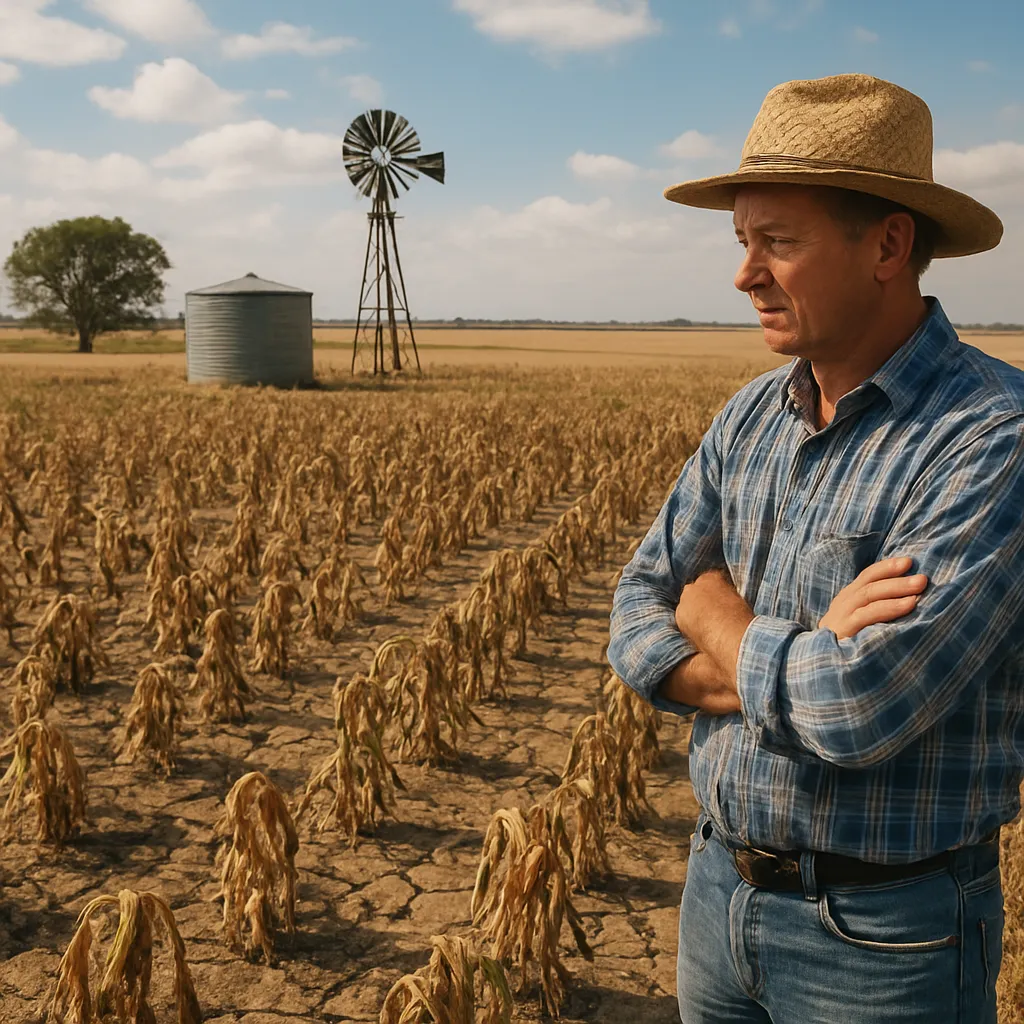
The agricultural landscape is undergoing a remarkable transformation as advanced machinery and intelligent systems step onto the fields. From seed planting to harvest, the integration of cutting-edge technologies is revolutionizing traditional methods, boosting yields, and fostering sustainable practices that meet the demands of a growing global population.
Evolution of Farm Mechanization
Over centuries, manual labor and animal traction dominated food production. The advent of tractors and combine harvesters in the twentieth century marked a pivotal shift, increasing productivity and reducing reliance on intensive human labor. Today, that momentum continues with the rise of automation and AI systems that can perform complex tasks beyond the capabilities of conventional machinery.
- Tractors with GPS-guided steering systems optimize field passes, minimizing overlap and saving fuel.
- Sensors mounted on planters adjust seeding rates in real time according to soil conditions.
- Self-propelled harvesters equipped with computer vision sort and grade produce on the move.
This progressive shift toward intelligent platforms has set the stage for the next wave of innovation: fully autonomous robots capable of working alongside farmers to meet challenges from labor shortages to climate variability.
Current Robotics Applications in Farming
Modern agricultural robots come in diverse forms, each designed for specialized roles that collectively enhance farm efficiency and environmental stewardship. The following categories highlight some of the most influential breakthroughs:
1. Autonomous Tractors and Tracked Vehicles
Equipped with LiDAR, radar, and optical cameras, self-driving tractors navigate fields with pinpoint accuracy. These machines can:
- Plant seeds at consistent depth and spacing
- Apply fertilizers and pesticides only where needed, reducing chemical runoff
- Perform soil compaction analysis and adjust tire pressure for optimal traction
2. Aerial Drones for Monitoring and Spraying
Aerial drones provide unparalleled vantage points. With multispectral and thermal imaging, they deliver real-time data on crop health, moisture stress, and pest infestations. Key benefits include:
- Rapid coverage of hundreds of hectares in a single flight
- Precision drones that target individual plants for spot treatments
- Environmental compliance by avoiding sensitive areas during application
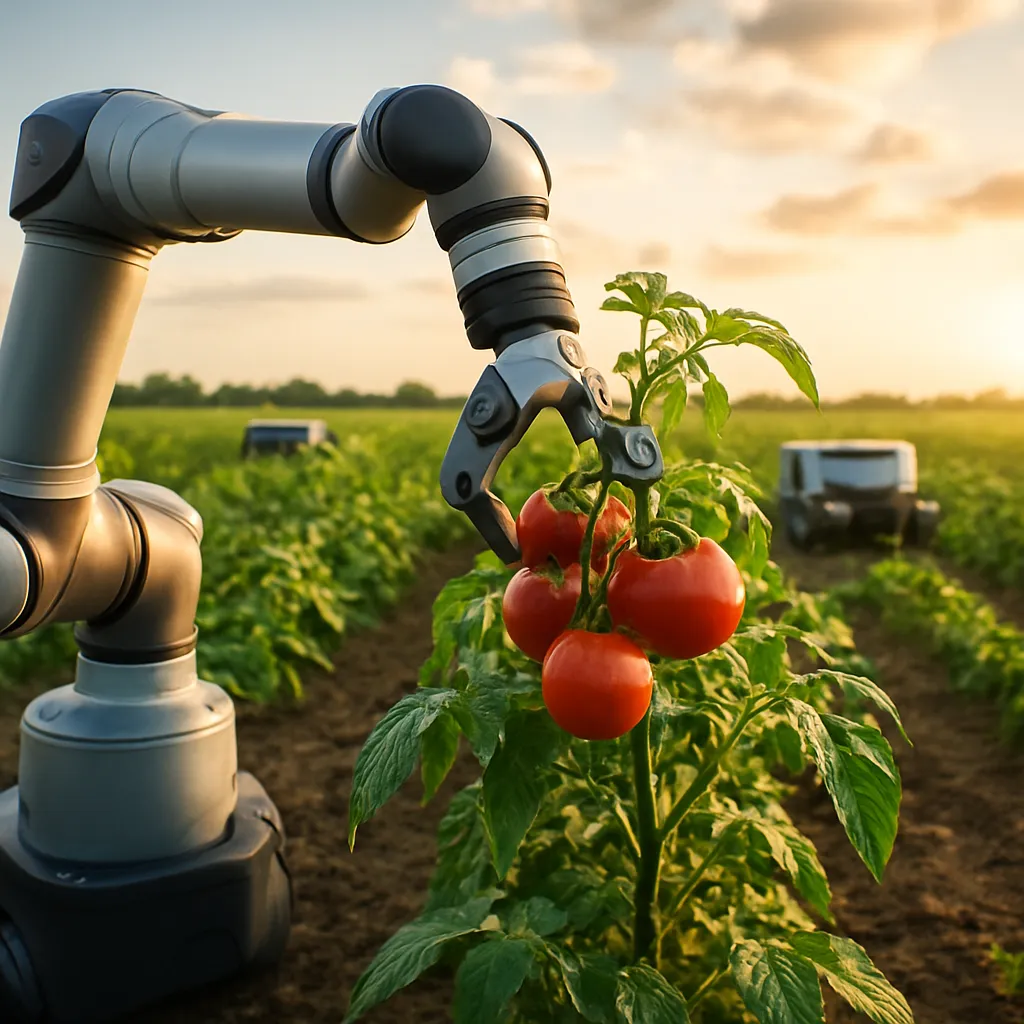
3. Harvesting and Picking Robots
Delicate fruits and vegetables often require careful handling. Robotic pickers use machine vision algorithms to identify ripe produce by color, texture, and shape. Salient features:
- Soft robotic grippers minimize bruising and waste
- Adaptive learning systems that improve performance over repeated cycles
- Scalable fleets that can be deployed seasonally according to crop cycles
Emerging Innovations Shaping the Future
As research accelerates, several frontier technologies promise to further redefine agriculture. Their combined impact could address both economic and sustainability goals.
Smart Greenhouses and Vertical Farming
Automated climate control, LED lighting tuned to plant growth stages, and hydroponic or aeroponic systems maximize space utilization. Integrated robots handle tasks such as:
- Transplanting seedlings with surgical precision
- Monitoring nutrient solutions and adjusting EC/pH levels automatically
- Harvesting leafy greens, strawberries, and herbs round the clock
Swarm Robotics for Field Operations
Instead of one giant machine, networks of small, cooperative robots can cultivate fields collaboratively. Benefits include:
- Redundancy and flexibility—individual failures do not halt operations
- Reduced soil compaction due to lighter weight platforms
- Dynamic task allocation based on real-time conditions
AI-Driven Decision Support Systems
Data from weather stations, soil sensors, satellite imagery, and market trends converge in sophisticated platforms. Farmers receive actionable insights such as:
- Optimal planting dates accounting for regional climate anomalies
- Predictive models for pest outbreaks, enabling preemptive interventions
- Market-driven recommendations for crop rotation to maximize efficiency and profit
Challenges and Opportunities Ahead
The road to fully autonomous farms is not without obstacles. Key considerations include:
- Cost barriers—High initial investments in robotic systems can deter small-scale operators.
- Technical integration—Ensuring interoperability among diverse hardware and software platforms.
- Skill gaps—Training the next generation of farmers to manage and maintain complex machinery.
Yet, the potential rewards are immense. By deploying robotics at scale, agriculture can achieve:
- Enhanced precision in resource application, reducing waste and environmental impact
- Increased productivity in regions facing labor shortages or harsh climates
- Improved resilience against extreme weather events through adaptive autonomous responses
Collaboration among technology providers, research institutions, and farming communities will be vital. Public-private partnerships can lower barriers to entry, while open-source initiatives foster rapid innovation. Policy frameworks should encourage trials and safe deployment, ensuring that regulations keep pace with technological advances.
Looking ahead, the harmonious blend of human expertise and robotic prowess promises a new era where fields are managed with unprecedented care. As these systems mature, they will not only feed a burgeoning world population but also preserve the natural ecosystems that sustain life on our planet.