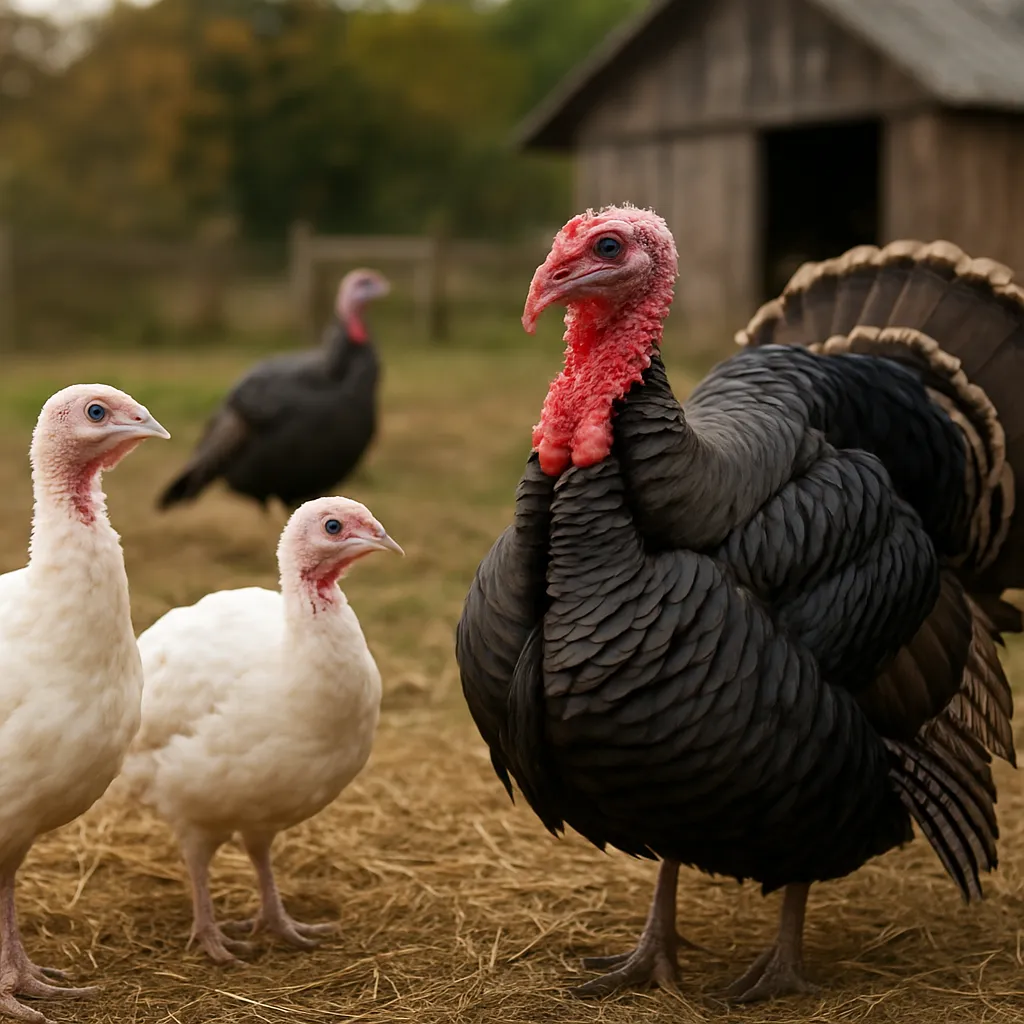
Raising turkeys for the holidays can be a deeply rewarding project for both small-scale farmers and backyard enthusiasts. With proper planning, attention to detail, and a focus on welfare and nutrition, you’ll ensure a healthy flock ready for that special celebration. This guide outlines key steps—from selecting breeds to final processing—so you can enjoy a bountiful harvest and flavorful birds that showcase the fruits of your labor.
Choosing the Right Turkey Breed
Selecting the appropriate breed lays the foundation for success. Consider factors such as growth rate, temperament, and flavor profile.
Heritage vs. Broad-Breasted
- Heritage breeds (e.g., Bourbon Red, Narragansett) grow more slowly but develop rich, complex flavor and maintain natural behavior patterns.
- Broad-breasted varieties (e.g., Broad Breasted White) reach market weight rapidly, offer a uniform carcass, and are the most common commercial choice.
Genetics and Availability
Investigate local hatcheries to secure poults with strong lineage free from hereditary issues. Opt for suppliers with solid reputations in genetics and customer support. Early reservations help you obtain quality stock when supplies run low in peak season.
Preparing Housing and Environment
A suitable environment minimizes stress, curbs disease risks, and maximizes efficiency. Turkeys require adequate space, ventilation, and protection from predators and extreme weather.
Housing Design
- Provide at least 10 square feet per bird in outdoor pens to encourage natural behavior and reduce aggression.
- Ensure a well-insulated shelter with draft-free perches for nighttime roosting, preventing cold-related health issues.
- Use sturdy fencing and buried wire to deter foxes, raccoons, and stray dogs.
Climate Control and Ventilation
Maintain stable temperatures between 65°F and 75°F for young poults; adjust gradually as they mature. Good airflow removes ammonia and moisture, lowering respiratory illness risks. Incorporate adjustable vents and fans to optimize the environment.
Nutrition and Feeding Strategies
Balanced feeding is crucial for healthy turkeys. From day-old poults to market-ready toms, dietary adjustments support growth stages and flavor development.
Starter, Grower, and Finisher Diets
- Starter Feed (0–6 weeks): High-protein (28–30%) throughout the early growth phase.
- Grower Feed (6–14 weeks): Moderate protein (20–24%) to sustain steady muscle development.
- Finisher Feed (14 weeks to harvest): Slightly reduced protein (16–18%) with added energy sources for optimal weight gain and fat coverage.
Supplemental Grazing and Forages
Allow turkeys access to pasture areas where they can forage for insects, grasses, and legumes. This practice enhances sustainable farming methods and contributes to richer meat flavor. Rotate paddocks regularly to prevent parasite build-up and to renew forage supply.
Hydration and Mineral Balance
Constant access to fresh water is non-negotiable—turkeys can drink up to a gallon per day. Incorporate grit and mineral supplements (calcium, phosphorus) to support bone health and egg quality in breeding stock. Monitor water temperature to avoid chilling in winter and overheating in summer.
Health Management and Biosecurity
Effective disease prevention combines rigorous biosecurity measures, routine monitoring, and timely interventions.
Quarantine and Flock Introduction
- Isolate new arrivals for at least two weeks; observe for signs of illness before mixing with the main flock.
- Sanitize equipment, boots, and clothing when moving between turkey houses to curtail pathogen transfer.
Vaccination and Parasite Control
Consult with a veterinarian to establish a vaccination schedule addressing diseases such as Newcastle, Marek’s, and turkey rhinotracheitis. Implement a deworming program every 8–12 weeks, and use poultry-safe insecticides or diatomaceous earth to control external parasites like mites and lice.
Stress Reduction and Behavioral Care
Aggressive pecking and panic can exacerbate injuries and disease spread. Provide enrichment (perches, pecking blocks) to reduce boredom. Handle turkeys calmly and consistently to build trust and lower cortisol levels, enhancing overall flock welfare.
Preparing for Holiday Processing
Well-timed harvest ensures turkeys reach optimum weight without overconditioning. Plan for processing 2–3 weeks before your holiday to allow for proper chilling and aging of meat.
Target Weights and Timing
- Market Weight: Aim for 18–22 pounds for toms, 10–14 pounds for hens, depending on your household’s needs.
- Processing Window: Schedule processing when birds are between 20 and 24 weeks old for optimum texture and fat distribution.
Harvesting and Chilling
Implement humane slaughter techniques following accepted animal welfare guidelines. Immediately chill carcasses in ice water baths or cold rooms to inhibit bacterial growth. Proper chilling preserves meat quality and reduces health risks for consumers.
Butchering and Storage
Butcher according to your preference: whole birds, breasts, thighs, and wings. Vacuum-seal or wrap tightly in freezer-grade plastic to prevent freezer burn. Label packages with dates and weights. Store at 0°F or below for up to 12 months, preserving flavor and texture until your holiday table is set.