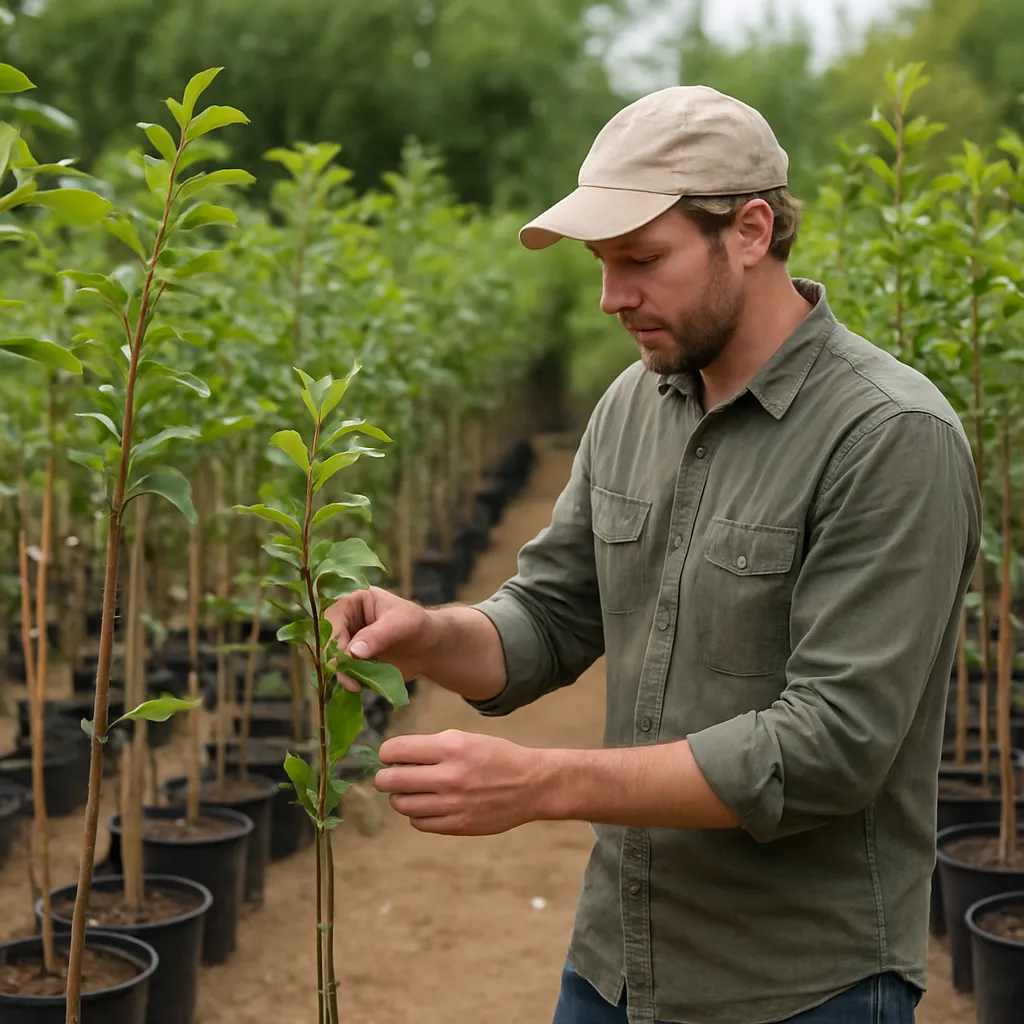
Launching a tree nursery venture blends passion for horticulture with savvy business acumen. Aspiring entrepreneurs can cultivate thriving operations by mastering market dynamics, site development, and plant care. This guide explores critical facets of establishing a sustainable and profitable nursery, from initial research to advanced propagation techniques.
Market Analysis and Business Planning
Before breaking ground, conduct thorough research to assess demand, competition, and potential profitability. A robust business plan crystallizes goals, resource requirements, and growth projections.
Identifying Target Markets
- Residential landscaping contractors seeking native and ornamental species
- Commercial developers requiring mass plantings for parks and urban projects
- Retail customers interested in patio trees and specialty container-grown specimens
- Local governments implementing reforestation or street tree initiatives
Competitive Landscape
- Map existing nurseries within a 50-mile radius and catalog their offerings
- Analyze pricing structures, delivery services, and after-sales support
- Spot underserved niches such as rare trees, organic stock, or drought-tolerant varieties
Financial Projections and Funding
- Estimate start-up costs: land acquisition, greenhouse construction, irrigation systems
- Forecast annual operating expenses: seedling purchases, labor, utilities, packaging
- Explore funding: agricultural loans, grants for sustainability projects, private investors
- Prepare detailed cash flow analyses to secure bank financing
Site Selection and Infrastructure Development
Choosing the right site and building proper infrastructure lays the groundwork for a healthy nursery. Soil quality, water access, and facility design directly influence plant growth and operational efficiency.
Land Characteristics
- Conduct soil tests to determine texture, pH, and nutrient levels
- Ensure good drainage to prevent root rot and waterlogging
- Verify proximity to water sources: wells, rivers, or municipal supply
- Consider topography and wind patterns for protective windbreaks
Greenhouse and Outdoor Beds
- Install greenhouse frames with appropriate glazing for temperature control
- Design outdoor bed layouts for efficient irrigation and easy access
- Integrate shade cloth, misting systems, and frost protection measures
- Build potting benches and storage shelters near workstations
Irrigation and Water Management
- Implement drip irrigation to conserve water and deliver precise moisture
- Incorporate rainwater harvesting systems and storage tanks
- Monitor soil moisture using tensiometers or moisture sensors
- Plan for wastewater treatment and recycling to meet regulatory standards
Propagation and Cultivation Techniques
Successful nurseries master both sexual and asexual propagation to supply customers with vigorous, uniform stock.
Seed Propagation
- Collect or purchase seeds from certified suppliers to ensure genetic integrity
- Apply stratification, scarification, or cold treatment as needed for germination
- Sow in sterile seed-starting mix and maintain consistent temperature and humidity
- Transplant seedlings to propagation trays when true leaves develop
Cuttings and Grafting
- Use semi-hardwood or hardwood cuttings for clones of desired cultivars
- Dip cut ends in rooting hormone and insert into well-draining media
- Employ grafting for fruit trees: whip-and-tongue, cleft graft, or bud graft methods
- Maintain high humidity and bottom heat to encourage root or bud union
Advanced Tissue Culture
- Set up a clean lab environment with laminar flow hoods and autoclaves
- Initiate explants in sterile nutrient media to multiply elite genotypes
- Acclimatize tissue-cultured plantlets gradually to greenhouse conditions
- Utilize micropropagation to rapidly increase inventory of high-value species
Operations Management and Nursery Care
Day-to-day activities revolve around nurturing young plants and ensuring quality control. Meticulous management enhances plant health and maximizes resource use.
Pest and Disease Control
- Implement integrated pest management (IPM): regular scouting, biological controls, and minimal chemical use
- Quarantine new arrivals to prevent introduction of pathogens
- Use certified disease-free stock and periodically test soil for harmful organisms
- Rotate crops and sanitize tools to interrupt pest life cycles
Nutrient Management
- Develop a fertilization schedule based on soil test recommendations
- Incorporate slow-release fertilizers or organic amendments for sustained growth
- Monitor foliar tissue to adjust micronutrient applications
- Utilize cover crops or green manures in off-season beds to boost soil fertility
Labor and Workflow Optimization
- Train staff in safe handling, pruning, and transplanting techniques
- Implement task scheduling software to track inventory and sales orders
- Design efficient pathways and loading areas for smooth logistics
- Ensure compliance with labor laws and provide protective equipment
Marketing, Sales, and Expansion Strategies
Building brand awareness and securing repeat customers sustains long-term growth. A diversified sales approach reduces risk and capitalizes on emerging trends.
Branding and Digital Presence
- Create a compelling logo and visual identity that reflects eco-friendly values
- Develop a responsive website with online ordering, plant catalogues, and care guides
- Leverage social media platforms to showcase nursery tours, planting tips, and customer testimonials
- Invest in search engine optimization (SEO) to attract local landscaping professionals
Retail and Wholesale Channels
- Establish a roadside retail outlet with clear signage and tasting zones for fruit varieties
- Partner with garden centers, florists, and municipal suppliers for bulk contracts
- Offer subscription-based delivery of seasonal trees to gardeners and estates
- Participate in farmers’ markets, trade shows, and community events to expand the customer base
Scaling and Diversification
- Reinvest profits in land acquisition to increase production capacity
- Add value-added services: tree planting, pruning workshops, and landscape design consultations
- Research emerging markets: certified organic stock, urban greening grants, and carbon offset programs
- Pursue certifications (e.g., sustainable forestry or ISO standards) to gain a competitive edge
Embarking on a tree nursery enterprise demands dedication to scientific cultivation practices and strategic business management. By integrating detailed market insights, robust infrastructure, advanced propagation, and dynamic marketing, nursery owners can nurture both plants and profits into a flourishing operation.