Embarking on an organic journey requires a blend of strategic planning, rigorous adherence to standards, and unwavering dedication to environmental stewardship. Farmers who seek organic certification must adopt practices that elevate soil health, enhance biodiversity, and ensure the integrity of every field, crop, and process. This article presents comprehensive best practices tailored for aspirants and seasoned producers alike, focusing on essential steps to achieve and maintain recognized certification.
Soil Health and Preparation
Healthy soil is the cornerstone of any thriving organic operation. By nurturing the living ecosystem beneath the surface, farmers encourage plants to develop strong root systems and natural defenses against pests and diseases. Maintaining balanced nutrient cycles and physical structure in the soil fosters long-term resilience and productivity.
- Implement diverse crop rotations to break pest and disease cycles.
- Use cover crops such as clover or rye to protect soil from erosion and add organic matter.
- Incorporate composted manures and plant residues to enrich microbial activity.
- Conduct regular soil testing for pH, nutrient levels, and organic matter content.
- Adopt conservation tillage methods to preserve soil structure and moisture.
Pest and Weed Management
Shifting away from synthetic pesticides demands a proactive, integrated approach. Combining cultural, physical, biological, and mechanical methods ensures that pest pressure remains low without compromising sustainability goals. Prevention and early detection are critical to maintaining a balanced farm environment.
- Introduce beneficial insects like lady beetles or predatory mites to control aphids and mites.
- Deploy physical barriers (row covers, traps) to exclude or monitor insect populations.
- Practice timely hand-weeding and flame weeding to keep weed seeds from spreading.
- Rotate crops and adjust planting schedules to disrupt pest life cycles.
- Utilize botanical extracts (e.g., neem oil, kaolin clay) compliant with organic standards.
Certification Standards and Process
Understanding Organic Standards
Different regions maintain varying organic regulations—USDA National Organic Program (NOP), EU Organic Regulation, Canada Organic Regime, and others. While specifics differ, all emphasize:
- No synthetic fertilizers, pesticides, or GMOs.
- Continuous conversion period (often 3 years for cropland).
- Detailed record keeping for inputs, practices, and harvests.
- Annual inspections by accredited certifying agents.
Steps to Achieve Certification
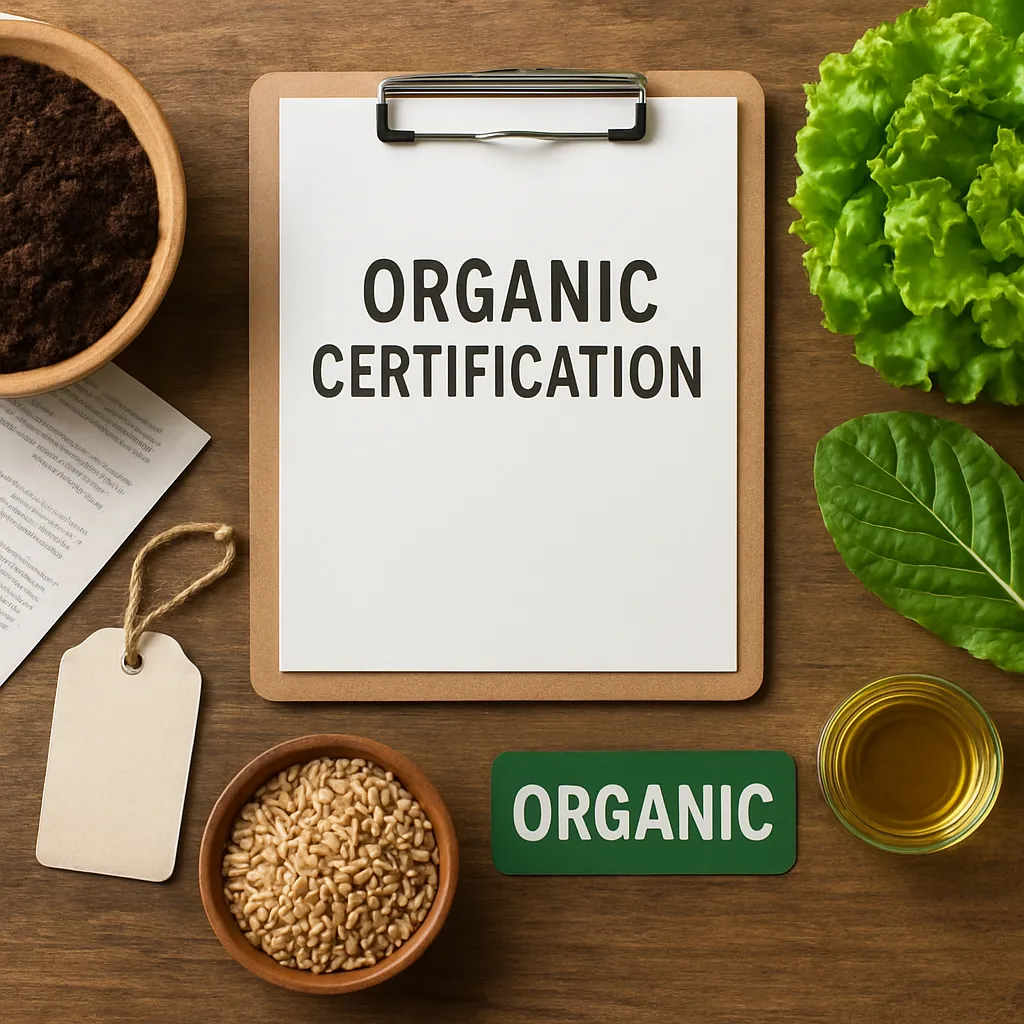
Beginning the path toward recognized certification involves several key milestones:
- Select an accredited certifier matching your market destination.
- Submit an initial application outlining farm history and planned practices.
- Develop and maintain a comprehensive Organic System Plan (OSP).
- Undergo a thorough on-site inspection covering fields, storage, and records.
- Address any corrective action requests swiftly to achieve full approval.
Maintaining Compliance
Certification is not a one-time event but an ongoing commitment. Adhering to guidelines ensures products remain eligible for organic labeling year after year. Key aspects include safeguarding transparency and compliance through regular updates and proactive communication with certifiers.
Record Keeping and Documentation
Robust documentation is the backbone of every successful organic operation. Accurate records demonstrate compliance, track inputs, and support traceability from seed to sale. Digital systems can streamline data collection and reporting.
- Maintain logs for seed and planting stock sources, ensuring they meet organic specs.
- Document application dates, rates, and sources of soil amendments or pest controls.
- Record harvest volumes, storage locations, and marketing channels.
- Keep audit trails for machinery cleaning, buffer zones, and potential contamination events.
- Provide access to records during annual inspections and at any time upon request.
Environmental and Community Benefits
Organic farms often serve as vibrant hubs of sustainability and social responsibility. By promoting practices that regenerate natural systems, producers contribute to cleaner water, richer wildlife habitats, and healthier landscapes for future generations.
- Enhance water retention and quality through cover crops and buffer strips.
- Support pollinators by planting hedgerows, wildflower strips, and nesting sites.
- Reduce greenhouse gas emissions via reduced synthetic input reliance and carbon sequestration in soils.
- Foster local economies by strengthening farm-to-fork networks.
- Educate consumers about the benefits of organic agriculture and transparent sourcing.