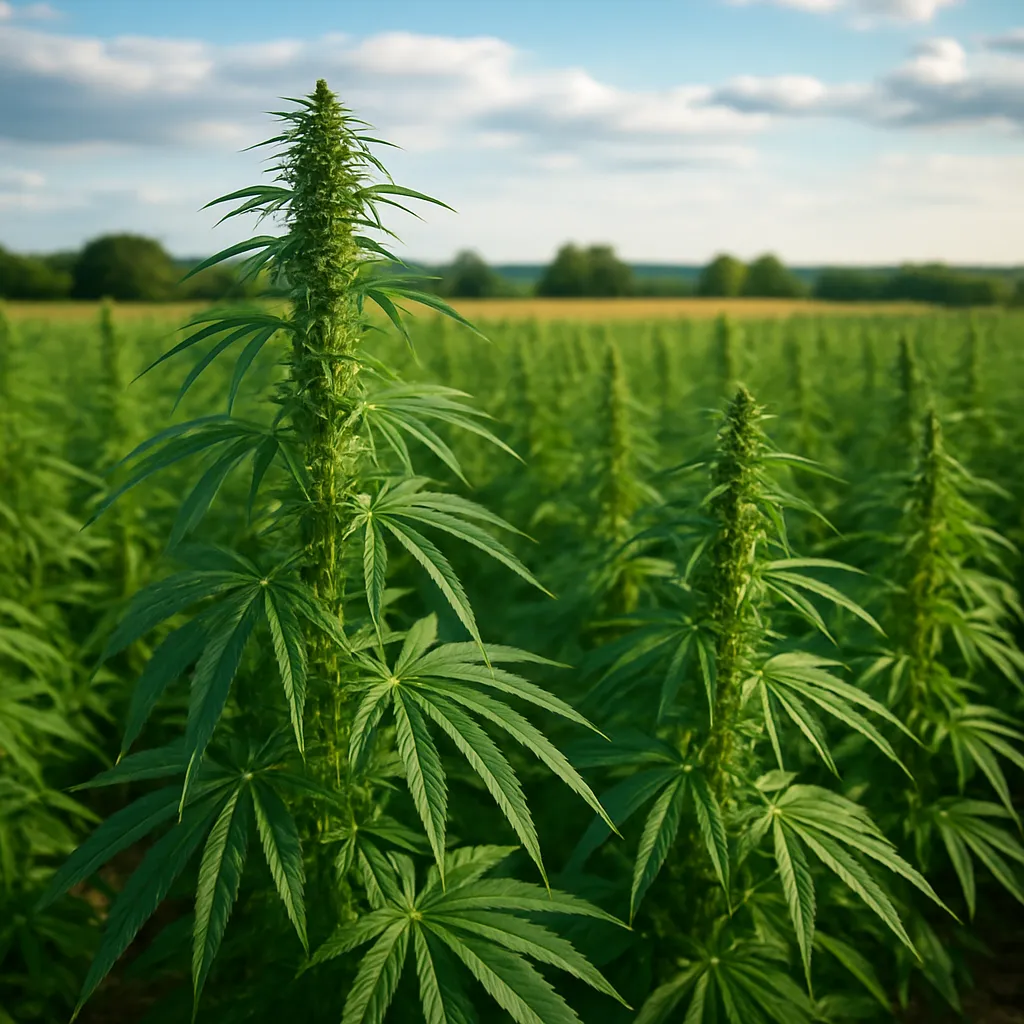
Growing hemp offers a transformative opportunity for farmers seeking to combine **profitability** with environmental **sustainability**. This versatile crop delivers versatile applications—from high-quality **fibers** for textiles to potent **CBD** extracts—making it a strong contender in modern agriculture. By understanding the market dynamics, refining cultivation techniques, and prioritizing eco-friendly practices, growers can tap into a booming industry while improving **soil health** and promoting **renewable** resource use.
Market Potential and Economic Benefits
As global attitudes shift toward natural and eco-conscious products, **market demand** for hemp-based goods continues to surge. Entrepreneurs see lucrative prospects in clothing, building materials, biofuels, and wellness products. The fiber derived from hemp stalks rivals cotton in strength but requires fewer pesticides, presenting a cost-effective alternative for textile producers. Meanwhile, extracts like **CBD** oils and edibles have carved out niches in health and wellness, driving farmers to diversify their crop portfolios.
- High-value fibers for textile manufacturing
- Health and wellness products featuring CBD
- Construction materials such as hempcrete
- Biofuel and bioplastic alternatives
- Animal bedding and feed supplements
Beyond diversified product streams, growing hemp can qualify farmers for government grants and tax incentives in many regions. By participating in pilot programs or adhering to certified organic standards, producers often secure premium pricing. In addition, local processing facilities reduce transportation costs, allowing small-scale growers to compete with large operations.
Cultivation Techniques and Best Practices
Success in hemp farming hinges on meticulous planning and execution. From seed selection to harvest, each stage demands attention to detail to ensure optimum yield and quality. Choosing high-grade seeds tailored to specific end markets—fiber, CBD, or grain—is the first crucial step. Certified seed suppliers offer genetics tested for cannabinoid content, pest resistance, and climate adaptability.
Field Preparation
Proper field preparation sets the stage for vigorous crop growth. Farmers should:
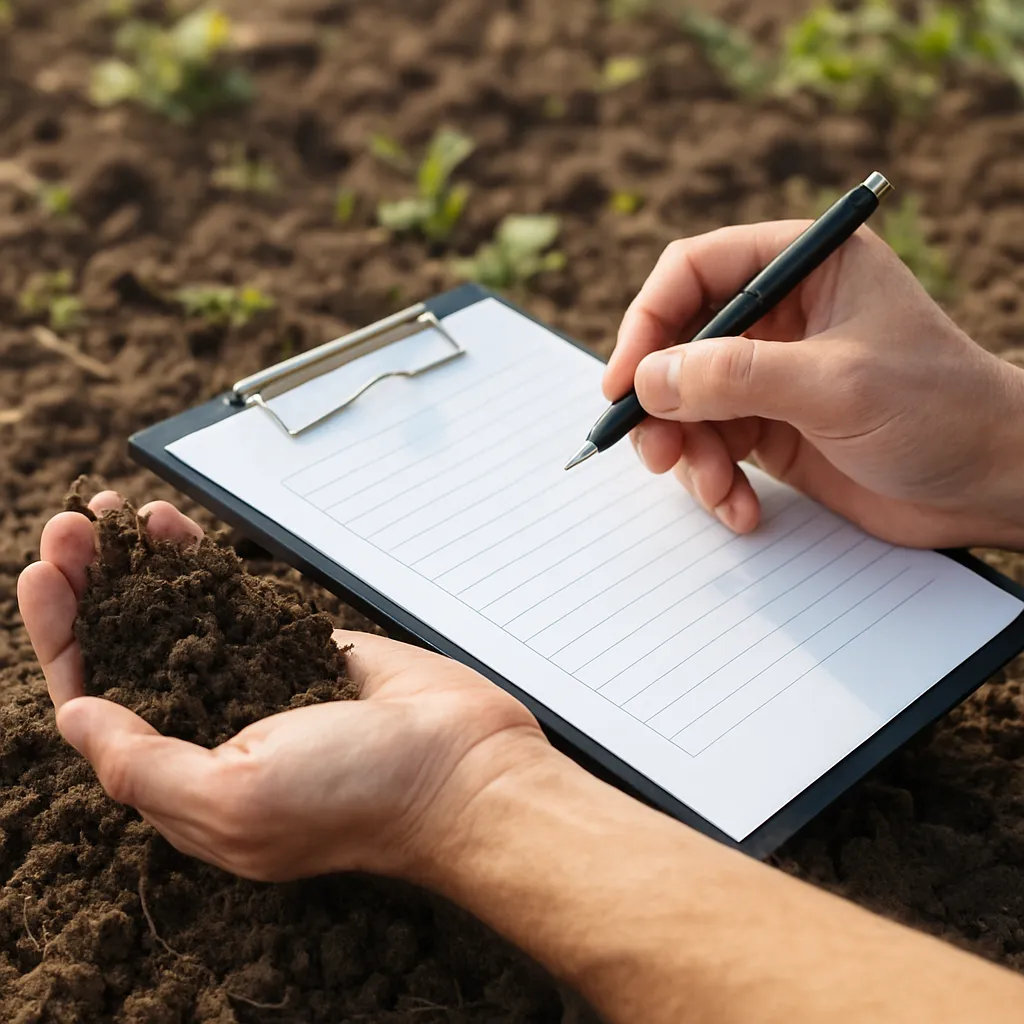
- Conduct soil tests to assess nutrients and pH balance
- Incorporate organic matter, such as compost or green manure
- Plan row spacing to optimize sunlight exposure and air circulation
- Ensure good drainage to prevent root rot
Planting and Irrigation
Once the site is prepared, planting within the ideal window—after last frost and when soil temperatures reach at least 50°F—promotes uniform emergence. Depending on desired end-use, planting density varies:
- Fiber production: Wide rows, low density
- CBD production: Narrow rows, higher density
- Grain production: Moderate spacing for seed development
Irrigation methods should prioritize water efficiency. Drip systems deliver moisture directly to roots, reducing evaporation. Monitoring soil moisture with sensors can prevent overwatering and minimize disease pressure.
Pest and Weed Management
Hemp’s rapid growth helps suppress weeds, but integrated pest management remains essential. Techniques include:
- Crop rotation with legumes to break pest cycles and boost **soil health**
- Biological controls like beneficial insects and microbial treatments
- Mulching to limit weed emergence
- Selective herbicide use in organic-compliant formulations
Regular scouting for aphids, spider mites, and other pests ensures timely intervention and protects flower and fiber integrity.
Sustainability and Environmental Impact
Hemp stands out among crops for its low environmental footprint. Its deep tap roots improve soil structure and sequester carbon, while a high leaf canopy chokes out weeds, reducing chemical inputs. As a fast-growing annual, hemp can yield multiple harvests per year in some climates, enabling efficient land use and consistent revenue streams.
Practicing **crop rotation** with hemp breaks disease cycles and boosts biodiversity. Planting legumes or grains in alternate years replenishes nitrogen naturally, curbing the need for synthetic fertilizers. Cover crops between hemp cycles protect against erosion and lock in precious nutrients.
Water and Energy Conservation
Compared to water-intensive crops, hemp’s water needs are moderate, especially once established. Employing drip irrigation and mulches conserves water, while on-farm rainwater harvesting systems reduce reliance on municipal supplies. In processing, adopting solar or biomass energy solutions diminishes carbon emissions and operational costs, reinforcing the crop’s green credentials.
Soil Remediation and Phytoremediation
Hemp exhibits remarkable phytoremediation abilities, absorbing heavy metals and toxins from degraded soils. Post-harvest, biomass can be processed safely or used in bioenergy applications, enabling farmers to restore contaminated lands. This attribute underscores hemp’s potential as a dual-purpose crop: yielding commercial products while rehabilitating ecosystems.
Community and Social Impact
Beyond environmental benefits, hemp farming fosters rural development. New processing facilities generate jobs, while local supply chains strengthen community resilience. Educational programs and cooperative models empower smallholders, ensuring knowledge-sharing and equitable profit distribution. Coupled with **innovation** in product development—such as hemp-based plastics and construction panels—the industry propels sustainable growth at a local and global scale.
Key Tips for Aspiring Hemp Growers
- Research local regulations and licensing requirements
- Select certified seeds for your target market
- Invest in soil testing and amendment programs
- Design an irrigation plan focused on conservation
- Adopt integrated pest and nutrient management strategies
- Explore direct-to-consumer sales and cooperative models
- Track production costs and market trends meticulously
- Collaborate with research institutions for cutting-edge practices
- Participate in sustainability certification schemes
- Continuously innovate to diversify product offerings
By embracing holistic agricultural methods and focusing on market alignment, hemp growers can unlock significant economic returns while fostering environmental stewardship. With its capacity to produce versatile **products**, restore degraded landscapes, and support rural livelihoods, hemp represents a cornerstone in the future of responsible farming.