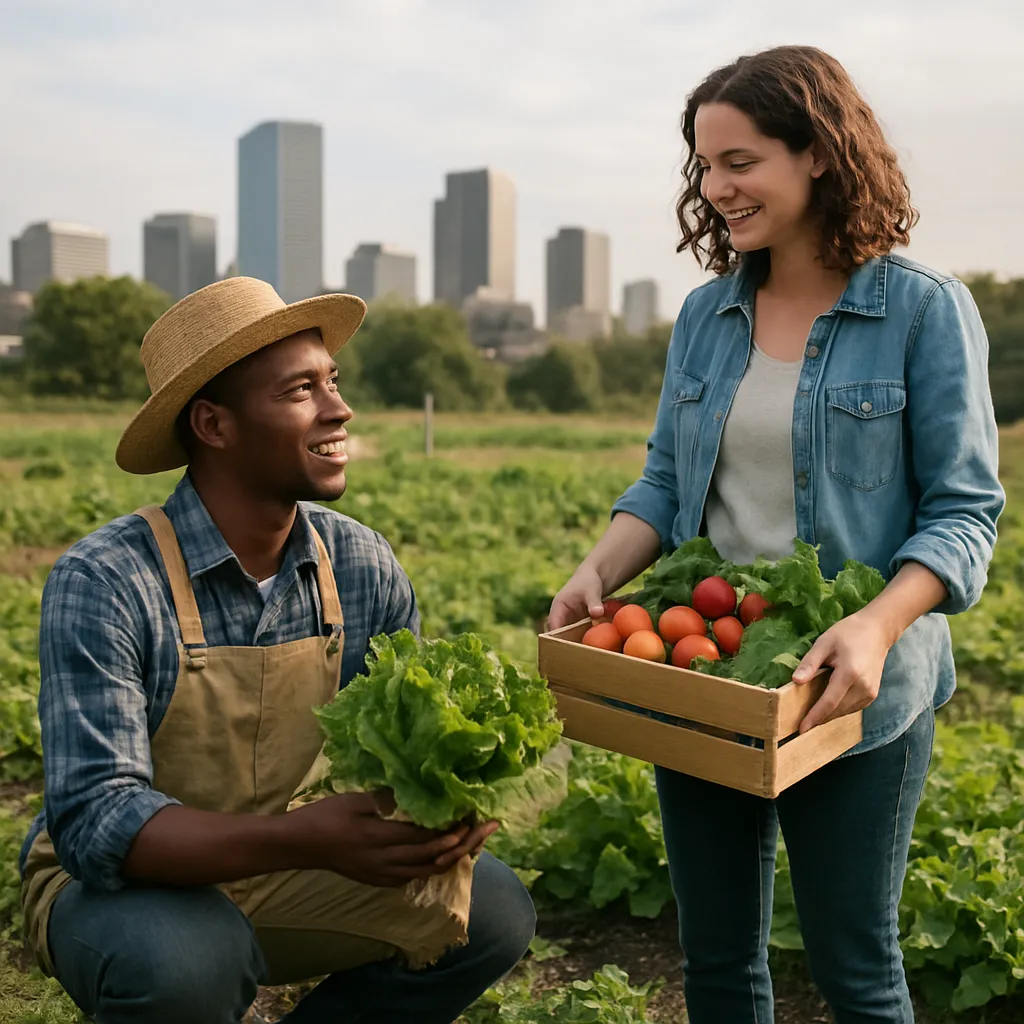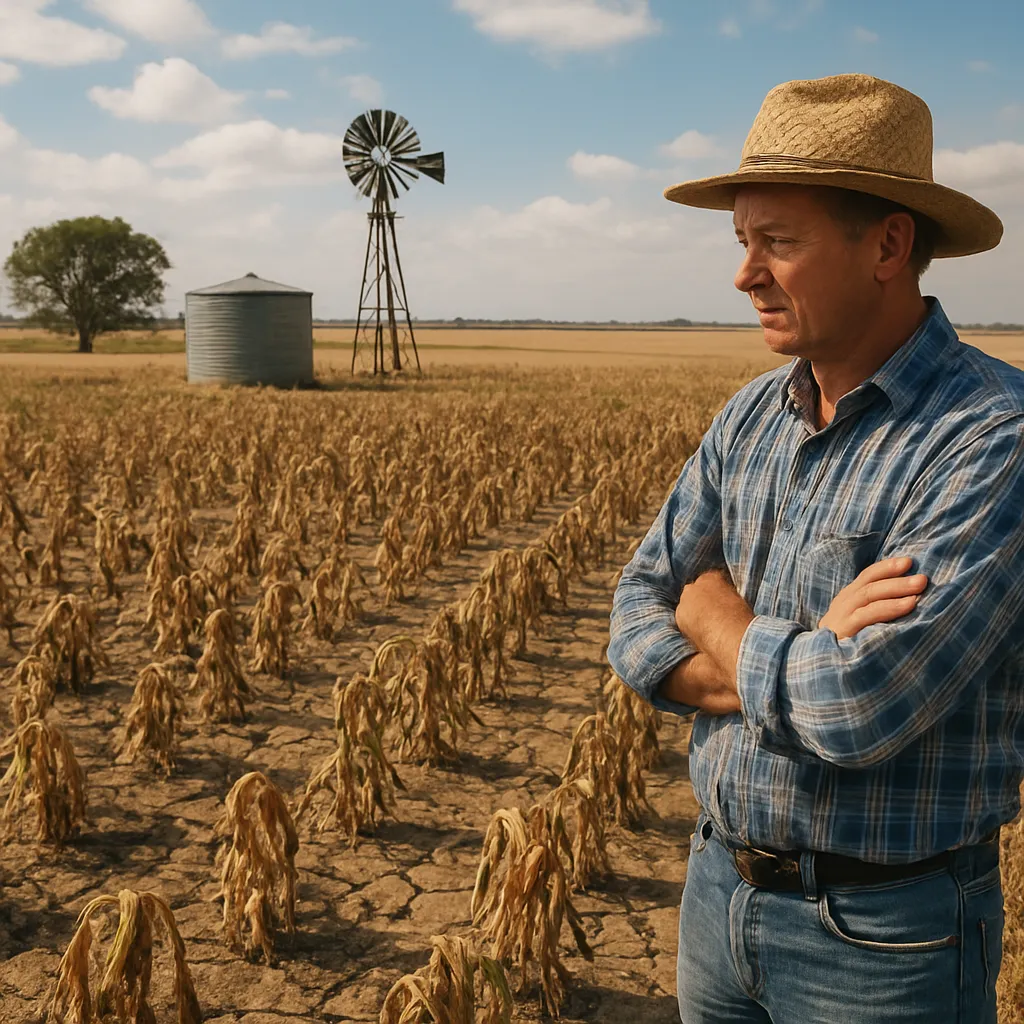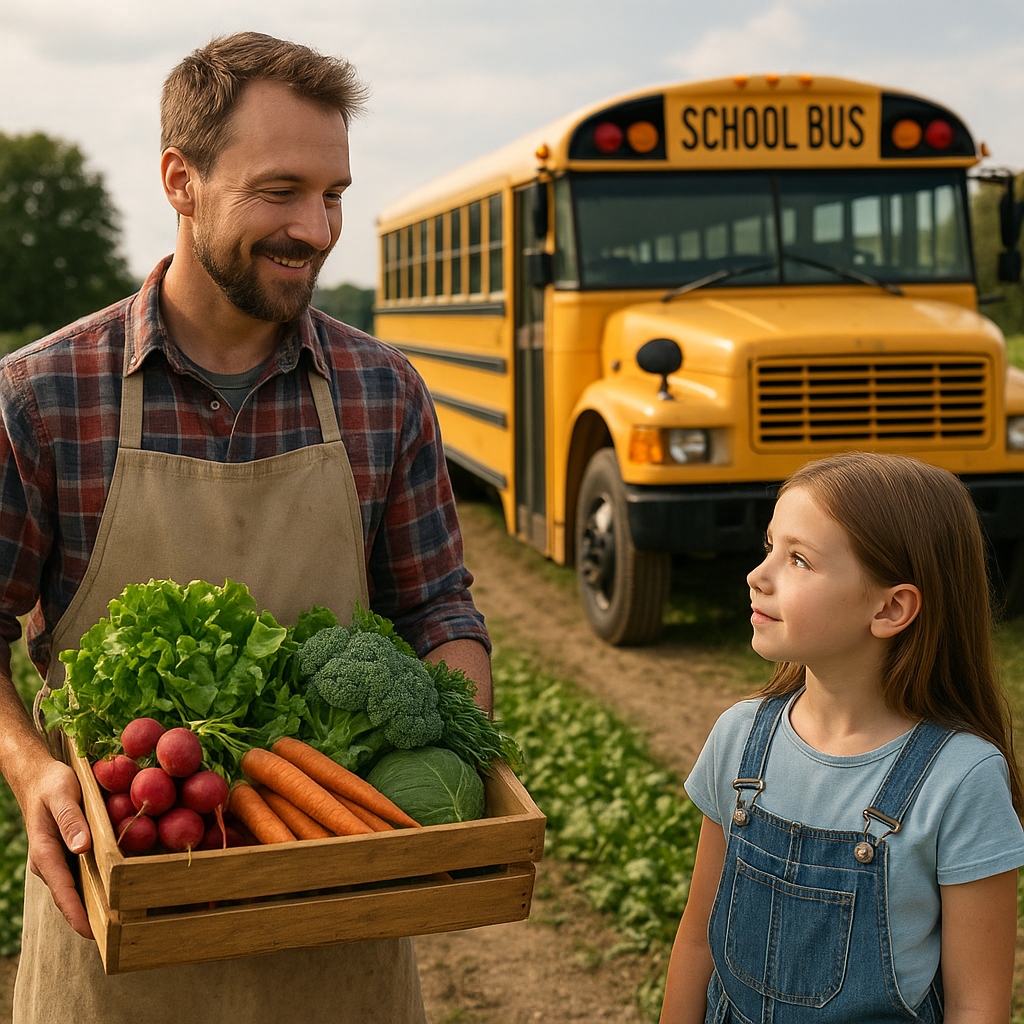
The Farm-to-School movement has gained momentum as educators, farmers, and policymakers collaborate to transform how children experience food. By integrating local produce into school meals, enriching the curriculum with hands-on agricultural lessons, and fostering meaningful community partnerships, this approach promotes healthier eating habits, supports regional economies, and enhances students’ understanding of where their food comes from. The following exploration delves into the movement’s origins, benefits, key components, challenges, and real-world examples that illustrate how Farm-to-School initiatives are reshaping education and agriculture across the globe.
Origins and Principles of the Farm-to-School Movement
The roots of Farm-to-School date back to localized efforts in the 1990s when a handful of visionary school districts in the United States began seeking ways to provide fresher, more nutritious meals to students. Early advocates recognized that many children lacked exposure to fresh fruits and vegetables, often relying on processed foods with limited nutritional value. By forging direct connections between schools and farmers, these pioneers aimed to:
- Source seasonal, high-quality produce from nearby growers
- Incorporate gardening and farm visits into the educational program
- Build lifelong healthy eating habits among students
Since then, the movement has embraced a set of guiding principles:
- Sustainability: Prioritizing farming practices that conserve resources and protect ecosystems
- Education: Integrating hands-on agricultural experiences into classroom learning
- Equity: Ensuring access to fresh, healthy food for children of all socioeconomic backgrounds
- Partnerships: Strengthening relationships among schools, farmers, nonprofit organizations, and local governments
Benefits to Students and Communities
Farm-to-School programs deliver a suite of advantages that resonate far beyond the cafeteria:
- Improved Nutrition: Exposure to a variety of fruits and vegetables increases daily nutrient intake and introduces students to flavors they might otherwise avoid.
- Academic Engagement: Hands-on gardening projects and farm field trips foster curiosity, critical thinking, and a deeper connection to science, technology, engineering, and mathematics (STEM) subjects.
- Economic Impact: Purchasing from local farmers channels millions of dollars into regional economies, creating jobs and supporting small businesses.
- Environmental Stewardship: Emphasizing organic and regenerative practices reduces chemical inputs, soil erosion, and greenhouse gas emissions.
- Social Cohesion: School gardens become community hubs where families volunteer, share cultural food traditions, and build cross-generational bonds.
Research has demonstrated measurable improvements in student attendance, behavior, and academic performance in districts that have implemented comprehensive Farm-to-School strategies. By fostering a sense of ownership and responsibility, students not only learn about healthy eating but also develop empathy for the labor and skill behind food production.
Key Components of Successful Programs
While each Farm-to-School initiative is uniquely tailored to its locale, several core elements consistently underpin success:
1. Curriculum Integration
Embedding agricultural content across grade levels transforms the traditional cafeteria into a living classroom. Lessons may cover:
- Plant biology and soil science
- Nutrition education and meal planning
- Food justice and cultural foodways
2. School Gardens and Farm Visits
On-site gardens provide a practical setting for students to sow seeds, tend crops, and harvest produce. Partnering with nearby farms offers supplemental experiences such as livestock care, irrigation techniques, and post-harvest handling.
3. Procurement and Menu Development
Food service directors collaborate with dietitians and chefs to design menus that feature seasonal, locally sourced items. This requires adapting procurement policies, streamlining delivery logistics, and training kitchen staff to handle fresh ingredients efficiently.
4. Family and Community Engagement
Workshops, potlucks, and volunteer days invite parents and neighbors to participate in garden maintenance, meal tasting events, and nutrition classes. Strong community involvement ensures program longevity and fosters a shared vision of health and wellness.
5. Professional Development
Teachers, food service workers, and administrators receive specialized training in sustainable agriculture, meal planning, and instructional techniques that link food systems to core learning standards.
Challenges and Innovative Solutions
Despite clear benefits, Farm-to-School programs face several obstacles:
- Budget Constraints: Fresh, local produce can be costlier than bulk-processed foods. Creative budgeting, grant writing, and cooperative purchasing agreements help bridge the gap.
- Seasonality and Supply Variability: Harvest windows vary by region, requiring flexible menus and multiple supplier partnerships to maintain consistency year-round.
- Regulatory Compliance: Food safety regulations and procurement policies can be complex. Building strong relationships with local agricultural agencies streamlines certification and inspection processes.
- Infrastructure Needs: Schools may lack adequate kitchen equipment or garden space. Fundraising campaigns, corporate sponsorships, and municipal support often finance necessary upgrades.
Innovative programs have addressed these hurdles by establishing on-site greenhouses for off-season production, implementing bulk buying cooperatives among districts, and using digital platforms to match surplus farm products with school demand.
Case Studies and Best Practices
Across North America and beyond, exemplary Farm-to-School initiatives showcase the movement’s transformative potential:
Green Valley Unified School District
- Partnered with a network of family farms to supply 60% of cafeteria produce.
- Launched a “Harvest to Classroom” curriculum that led to a 25% boost in science test scores.
- Secured state grants to install hydroponic systems for winter salad greens.
Sunrise Elementary in British Columbia
- Integrated Indigenous food sovereignty practices, planting heritage varieties of beans, corn, and squash.
- Organized seasonal festivals that reinforced cultural knowledge and intergenerational storytelling.
- Reported a 40% reduction in student-reported lunchroom food waste.
Heartland High School Cafeteria Cooperative
- Food service staff received culinary training to prepare recipes from scratch using local ingredients.
- Students formed a garden club responsible for managing a two-acre plot, donating surplus crops to a neighborhood food bank.
- Achieved recognition as a regional leadership model and secured ongoing funding from private foundations.
These case studies highlight the importance of adaptability, stakeholder engagement, and a clear vision for integrating food, education, and sustainability. By learning from existing successes, new programs can customize strategies that align with local climates, cultural contexts, and resource capacities.