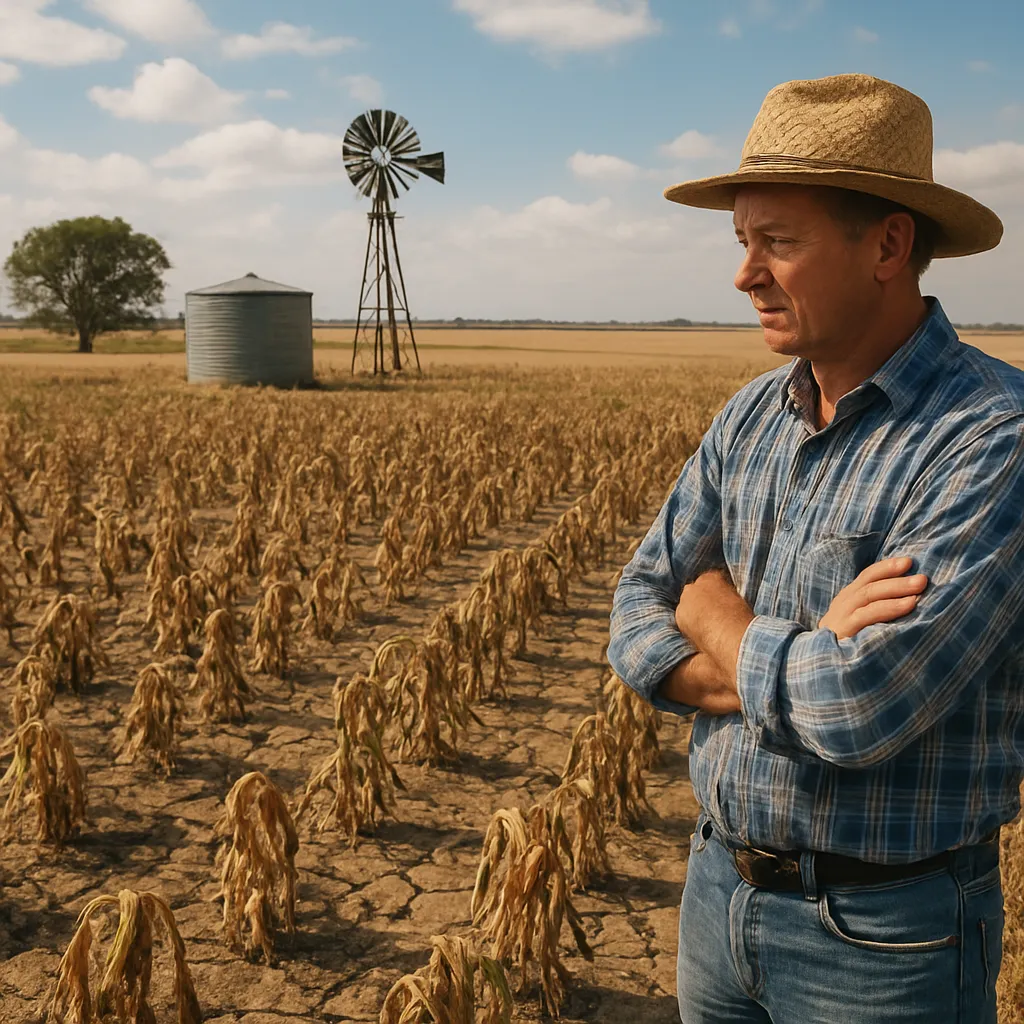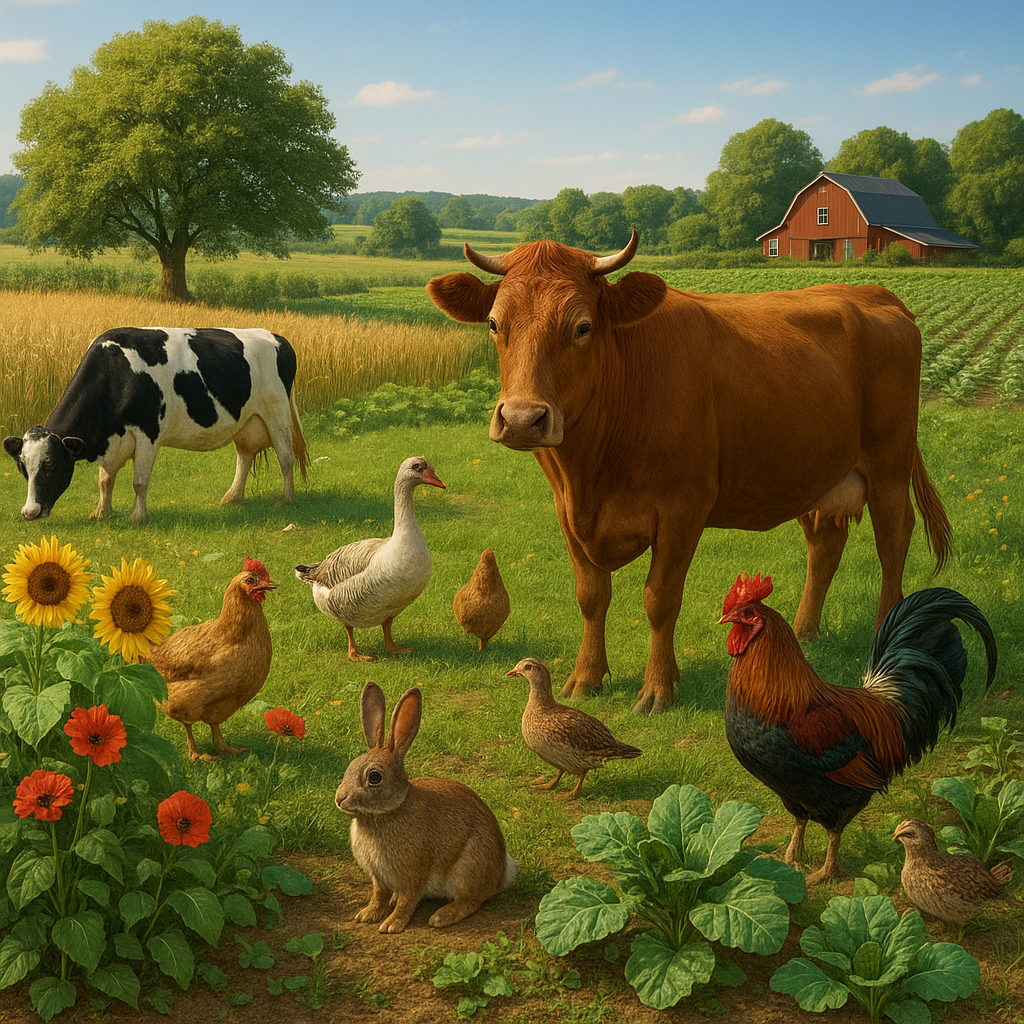
Farm biodiversity plays a pivotal role in maintaining healthy agricultural landscapes and ensuring the long-term productivity of our food systems. By fostering a rich variety of plants, animals, and microorganisms, farmers can build more resilient operations that withstand environmental challenges and contribute positively to the wider environment.
Enhancing Ecosystem Services
One of the most critical benefits of farm biodiversity is the enhancement of essential ecosystem services. Diverse farms support pollinators such as bees, butterflies, and birds, which are indispensable for the reproduction of many crops. In addition, a variety of plant species fosters robust soil health through improved nutrient cycling and reduced erosion.
Pollination and Pest Control
- Flowering hedgerows and cover crops provide habitats for native pollinators and predatory insects.
- Integrated pest management leverages natural enemies to reduce reliance on chemical pesticides.
- Encouraging beneficial arthropods leads to healthier crop yields and lower input costs.
Water Regulation and Soil Conservation
- Deep-rooted plants improve water infiltration, reducing surface runoff and flooding risks.
- Crop rotations with grasses and legumes replenish soil organic matter, enhancing moisture retention.
- Riparian buffer strips along waterways filter sediments and nutrients before they reach streams.
Economic and Social Benefits
Beyond ecological functions, diverse farms often enjoy increased economic stability. By cultivating multiple crops and maintaining varied livestock breeds, farmers can spread financial risk, securing income even if one enterprise underperforms. This approach aligns with principles of sustainability and community well-being.
Market Opportunities
- Specialty products such as heritage grains, heirloom vegetables, and artisanal cheeses command premium prices.
- Direct-to-consumer sales via farmers’ markets and community-supported agriculture foster stronger consumer–farmer relationships.
- Ecotourism activities, including farm stays and educational workshops, provide fresh revenue streams.
Resilience and Adaptation
Farms rich in species variety exhibit greater resilience to extreme weather events, pests, and diseases. Diverse cropping systems allow for flexible responses to market fluctuations and climatic shifts, ensuring that small-scale and family operations remain viable in the long term.
Strategies for Promoting Biodiversity on Farms
Farmers can adopt a range of practices to boost on-farm biodiversity. These methods often intertwine, creating synergies that maximize both ecological and economic gains.
Cover Cropping and Crop Rotation
- Planting cover crops such as clover, rye, or buckwheat between main crops prevents soil erosion and adds organic matter.
- Rotating legumes with cereals reduces pest pressure and naturally fixes nitrogen in the soil.
- Multi-year rotation sequences disrupt weed and disease life cycles, promoting healthier yields.
Agroforestry and Silvopasture
- Integrating trees with crops or livestock—also known as agroforestry—enhances habitat diversity and carbon sequestration.
- Silvopasture systems combine pastureland with scattered trees, providing shade for animals and diverse forage options.
- Tree species such as hazelnut, chestnut, or high-value timber offer long-term income alongside traditional agriculture.
Maintaining Habitat Features
- Leaving field margins, hedges, and woodlots intact supplies shelter and food for wildlife.
- Constructing ponds and wetlands supports amphibians, aquatic insects, and birds crucial for natural pest control.
- Preserving remnant patches of native vegetation conserves local genetic resources and fosters landscape connectivity.
Role of Technology and Research
Modern technology advances our understanding of complex farm ecosystems and guides effective management interventions. Precision tools help farmers apply inputs more efficiently, minimizing environmental impact while maximizing production.
Remote Sensing and GIS Mapping
- Satellite imagery and drones enable monitoring of crop health, soil moisture, and weed infestations in real time.
- GIS-based field mapping assists in designing buffer zones, field margins, and crop layouts optimized for biodiversity.
- Data-driven decision support systems integrate weather forecasts and pest population models for proactive management.
Biotechnological Innovations
- Developing crop varieties with improved nutrient use efficiency reduces fertilizer dependence.
- Microbial inoculants enrich rhizosphere communities, boosting plant growth and resilience.
- Genomic tools help conserve rare livestock breeds and plant cultivars, safeguarding genetic diversity for future breeding efforts.
Community Engagement and Policy Support
Achieving widespread on-farm biodiversity hinges on collaboration between farmers, researchers, policymakers, and consumers. Educational outreach and incentive programs can accelerate adoption of biodiversity-friendly practices.
Incentive Schemes and Certification
- Subsidies for conservation practices reward farmers for establishing pollinator habitats and agroforestry plots.
- Certification programs—such as organic, regenerative, and wildlife-friendly labels—open doors to niche markets.
- Payments for ecosystem services compensate farmers who deliver clean water and carbon sequestration benefits.
Knowledge Exchange Networks
- Farmer field schools and demonstration farms showcase practical techniques for integrating biodiversity into production systems.
- Peer-to-peer mentoring encourages the spread of successful models across regions.
- Online platforms and mobile apps connect stakeholders, fostering a global community committed to sustainability and innovation.
Encouraging Future Generations
To secure the next wave of farming stewards, educational initiatives must inspire youth interest in agriculture and biodiversity stewardship. Hands-on experiences and interdisciplinary curricula blend scientific knowledge with real-world application.
- School gardens and farm internships introduce children to the wonders of ecological interactions.
- University programs in sustainable agriculture emphasize field-based research and community projects.
- Grants and scholarships support aspiring farmers who pledge to adopt integrated and conservation-oriented practices.
Conclusion of Key Insights
Incorporating a spectrum of living organisms into farm design not only bolsters productivity but also strengthens the link between agriculture and natural systems. By valuing biodiversity as an asset, farmers can navigate an ever-changing world with enhanced resilience, improved profitability, and a renewed dedication to environmental stewardship.