The agricultural landscape is undergoing a profound transformation as digital tools and automated systems converge to redefine how food is grown, monitored, and managed. This shift leverages cutting-edge technology to optimize resource use, reduce environmental impact, and boost overall productivity. From sensor-laden fields to self-driving tractors, the field of smart farming promises a future where every decision is informed by real-time data and advanced algorithms, ensuring both economic viability and ecological sustainability.
Precision Agriculture and Data-Driven Strategies
Precision agriculture represents the foundation of modern smart farming. By employing satellite imagery, GPS mapping, and soil sampling, farmers can apply inputs—such as water, fertilizers, and pesticides—with pinpoint accuracy. This approach minimizes waste, cuts costs, and enhances crop yields. Farmers now rely on variable-rate technology (VRT) to distribute resources exactly where they’re needed, responding to the heterogeneity of field conditions.
Mapping and Monitoring Fields
- High-resolution satellite and drone imagery
- Geospatial information systems (GIS) for detailed field maps
- Soil moisture and nutrient profiling
- Real-time health assessments through normalized difference vegetation index (NDVI)
Such mapping tools empower growers to detect early signs of stress or disease, enabling targeted interventions before issues become widespread. This level of precision not only increases yields but also conserves water and reduces chemical runoff.
Decision-Support Systems
Data collected from fields feeds into sophisticated decision-support platforms. By analyzing weather forecasts, soil conditions, and historical yield data, these systems recommend optimal planting dates, irrigation schedules, and harvest windows. Integrating analytics enables farmers to forecast potential risks—such as drought or pest outbreaks—and adjust practices proactively.
IoT Integration and Sensor Networks
The Internet of Things (IoT) plays a pivotal role in smart farming by linking sensors, machinery, and cloud platforms. Thousands of devices monitor environmental variables—temperature, humidity, pH, and more—transmitting data continuously to centralized dashboards.
Smart Sensors in the Field
- Soil moisture probes for dynamic irrigation control
- Leaf wetness sensors to predict fungal diseases
- Microclimate stations measuring temperature and humidity
- Water-quality monitors in aquaculture and hydroponics
These sensor arrays deliver insights that drive automated systems—triggering irrigation only when necessary or activating shading screens in greenhouses. The result is dramatic water savings and optimized plant health.
Connectivity and Cloud Computing
Reliable connectivity, including 5G and low-power wide-area networks (LPWAN), ensures that remote sensors and machinery remain in constant communication. Data is aggregated in the cloud, where machine learning algorithms process vast datasets to uncover patterns and generate actionable recommendations in near real-time.
Robotics and Automation in Agriculture
Robotic platforms are revolutionizing labor-intensive tasks, addressing worker shortages and boosting operational efficiency. From autonomous tractors to fruit-picking machines, robotics are becoming commonplace in modern farms.
Autonomous Machinery
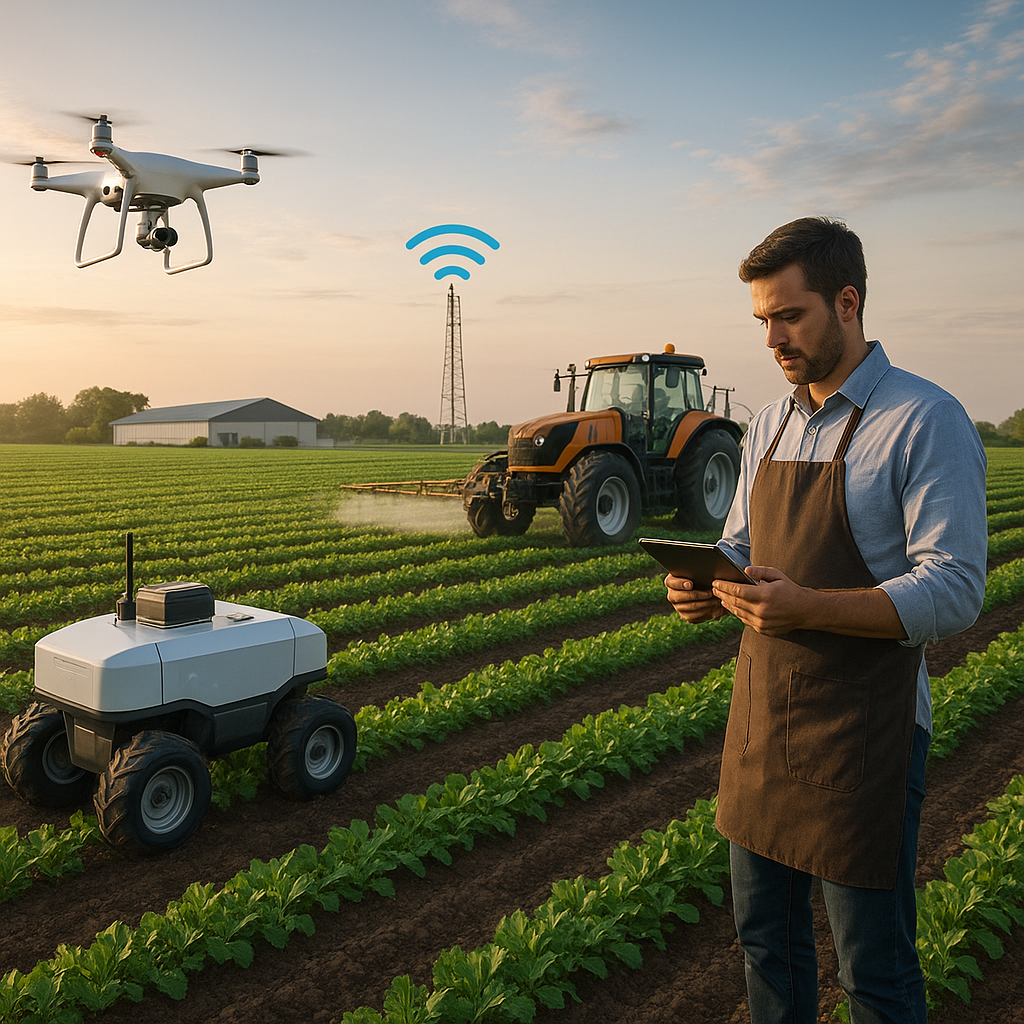
- Self-driving tractors equipped with radar and LiDAR
- Robotic planters that adjust seed depth and spacing
- Automated sprayers with targeted nozzle control
- Harvesting robots capable of delicate fruit picking
Autonomous tractors follow pre-programmed routes with centimeter-level accuracy, optimizing field coverage while avoiding compaction. Similarly, robotic harvesters use computer vision to identify ripe produce, reducing bruising and improving overall quality.
Robotic Weeding and Crop Maintenance
Innovative machines utilize mechanical arms and machine vision to distinguish weeds from crops. By physically removing weeds instead of relying on herbicides, these robots enhance crop yields and promote ecological balance. This shift underscores the value of innovation in minimizing chemical inputs and preserving soil health.
Artificial Intelligence and Predictive Analytics
Artificial intelligence (AI) and machine learning (ML) underpin many smart farming solutions, empowering farmers to make data-driven decisions that improve both yield and profitability. Predictive models analyze past performance, climate data, and market trends to forecast outcomes with remarkable accuracy.
Crop Yield Prediction
- Neural networks trained on satellite imagery and yield records
- Regression models correlating weather variables with plant growth
- Early warning systems for pest and disease outbreaks
By forecasting yield potential weeks or months in advance, growers can optimize supply chains, negotiate better contracts, and manage post-harvest logistics more effectively.
Market and Risk Management
AI-driven platforms also support financial planning, advising on commodity hedging, price forecasting, and insurance options. This layer of digital support mitigates uncertainties in a sector heavily influenced by weather volatility and global demand fluctuations.
Sustainable Practices Enabled by Smart Farming
Smart farming technologies offer a pathway to sustainable agriculture by reducing resource consumption and minimizing environmental footprints. Key areas of impact include:
- Water conservation through precision irrigation and leak detection
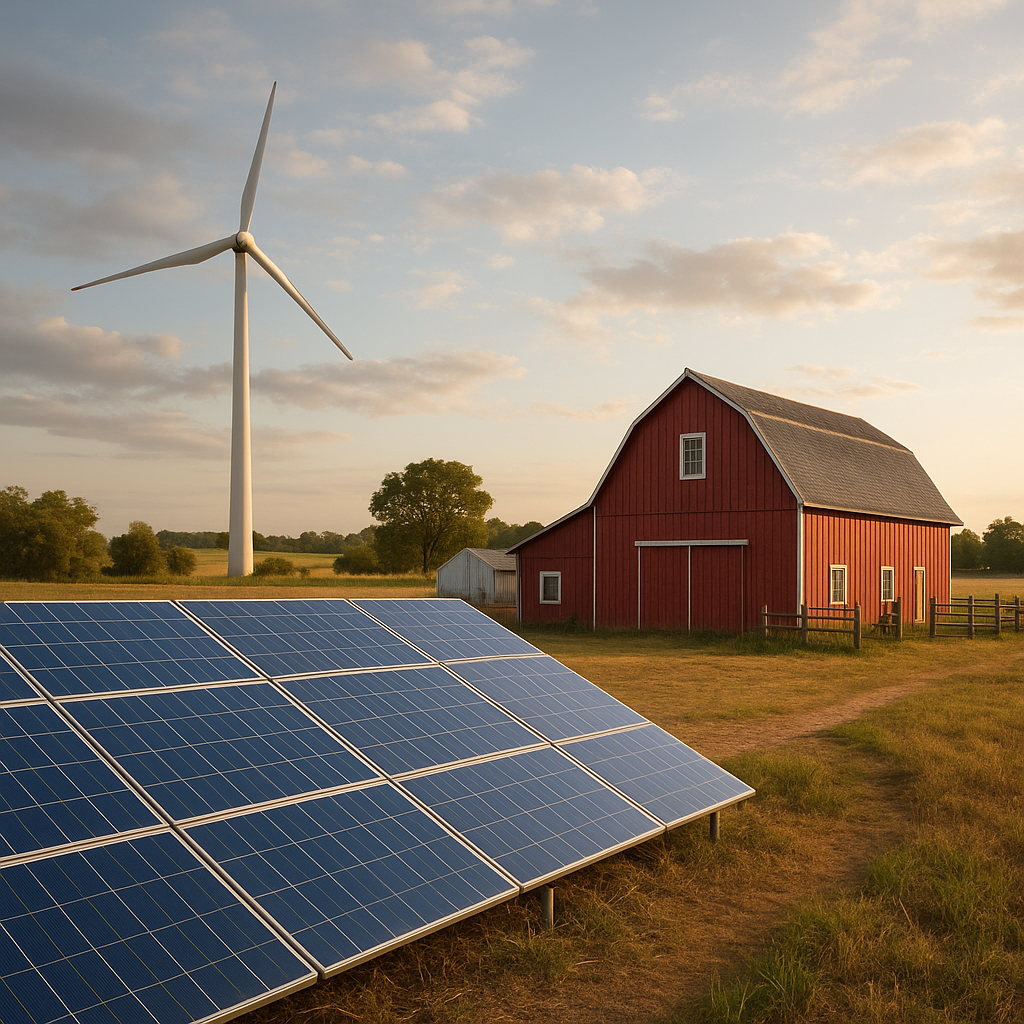
- Energy efficiency via solar-powered sensors and machinery
- Reduced chemical input by targeted spraying and robotic weeding
- Soil health monitoring to prevent erosion and nutrient depletion
Such measures support both large-scale operations and smallholder farms, fostering resilience against climate change and ensuring food security for a growing global population.
Future Outlook
As technologies continue to evolve, synergy between drones, satellite networks, and ground-based robots will deepen. Unmanned aerial vehicles (UAVs) will handle complex imagery tasks, while subterranean sensors monitor root-zone conditions. Emerging developments in edge computing will enable real-time data processing directly on equipment, further reducing latency and enhancing responsiveness.
Challenges and Considerations
- Data privacy and ownership concerns
- Initial investment costs and return on investment timelines
- Training and workforce transition as automation rises
- Interoperability among diverse technology vendors
Despite these challenges, the trajectory of smart farming promises a paradigm shift. By embracing connected devices, autonomous machines, and predictive analytics, agriculture can meet the dual demands of feeding humanity and preserving the planet for future generations.