Farmers worldwide constantly seek ways to boost productivity and ensure long-term sustainability. By optimizing field operations, selecting the right crops, and adopting modern techniques, agricultural enterprises can achieve higher yield and greater profit margins. This article explores key strategies to elevate performance on the field while conserving resources and protecting the environment.
Soil Management and Fertility Enhancement
Proper handling of soil is the cornerstone of a productive farm. Healthy soil not only supports robust plant growth but also retains moisture, cycles nutrients, and prevents erosion.
Soil Testing and Analysis
Regular testing reveals pH levels, nutrient deficiencies, and organic matter content. It allows targeted application of amendments and helps avoid overuse of chemicals.
- Collect samples from different field zones to capture variability.
- Test for macronutrients such as nitrogen, phosphorus, and potassium.
- Analyze micronutrients like zinc, boron, and manganese.
- Monitor soil texture and structure for improved water retention.
Organic Amendments and Fertilizers
Incorporating fertilizer and organic matter boosts nutrient availability and microbial activity. Combining synthetic and organic inputs can achieve balanced fertility and reduce long-term dependency on chemical sources.
- Use compost or well-rotted manure to add organic carbon.
- Apply cover crops such as clover or rye to capture residual nutrients.
- Integrate slow-release fertilizers to minimize leaching.
- Rotate between phosphorus- and nitrogen-focused amendments based on test results.
Crop Selection, Rotation, and Diversity
Choosing the right crop mix and rotating fields prevents pest buildup and enhances efficiency. Diversity in planting also improves resilience to extreme weather and market fluctuations.
Choosing High-Yielding Varieties
Modern seed breeding provides cultivars with improved disease resistance, drought tolerance, and nutrient use efficiency. Selecting regionally adapted varieties ensures better performance under local conditions.
- Review trial data from local agricultural extension services.
- Consider hybrid or genetically enhanced seeds for higher vigor.
- Balance seed cost against expected yield gains.
Implementing Crop Rotation
Rotating families of crops such as cereals, legumes, and brassicas breaks pest cycles and improves rotation benefits. It also reduces soil-borne diseases and balances nutrient uptake.
- Plan multi-year rotation sequences involving legumes to fix nitrogen.
- Alternate deep-rooted and shallow-rooted species to improve soil structure.
- Use break crops like mustard to suppress nematodes and weeds.
Water Management and Irrigation Strategies
Efficient use of water is critical for sustainable farming. Proper irrigation strategies increase water use efficiency while minimizing waste and runoff.
Efficient Irrigation Systems
- Drip irrigation delivers water directly to the root zone, reducing evaporation losses.
- Sprinkler systems can be automated to match crop water requirements.
- Soil moisture sensors and automated valves adjust schedules in real time.
- Rainwater harvesting and storage supplement irrigation supply.
Water Conservation Techniques
Implementing conservation measures helps preserve this vital resource:
- Mulching to reduce surface evaporation and inhibit weed growth.
- Contour farming and terracing to minimize runoff on slopes.
- Cover cropping to maintain soil moisture and improve infiltration.
- Scheduling irrigation during cooler hours to cut evaporation.
Technology and Data-Driven Farming
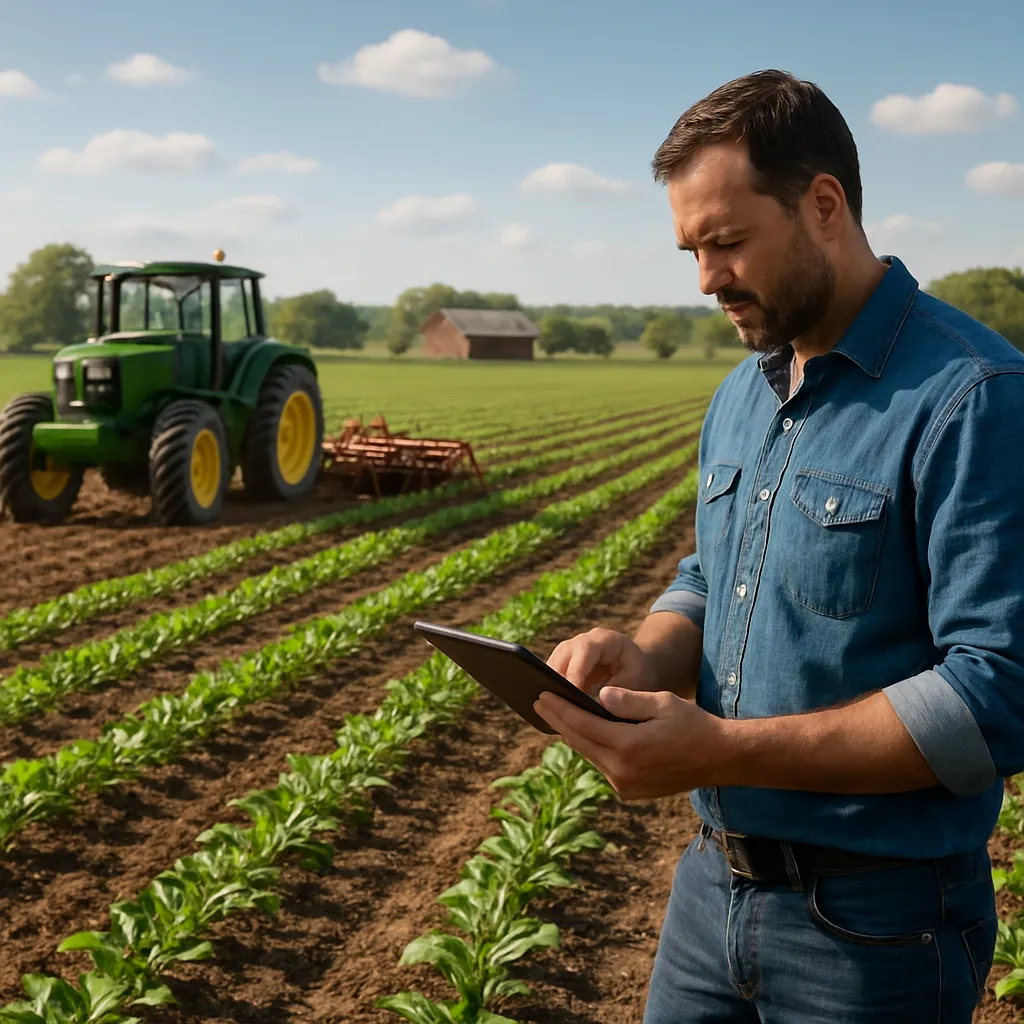
Adopting modern technology transforms decision-making and enhances field operations. Data-driven approaches increase precision while reducing input costs.
Precision Agriculture Tools
- GPS-guided tractors and planters optimize field patterns and reduce overlaps.
- Variable rate applicators adjust seed, fertilizer, and pesticide delivery on the go.
- Drones equipped with multispectral sensors capture detailed crop health insights.
- Robotic harvesters enhance labor productivity in labor-intensive crops.
Monitoring and Analytics
Real-time data collection and analysis allow proactive interventions. Effective monitoring reduces risks and ensures optimal resource allocation.
- Install weather stations on-site to anticipate climatic events.
- Use soil moisture probes to refine irrigation schedules.
- Analyze yield maps to identify high- and low-performing zones.
- Apply decision support software to model nutrient management scenarios.
By integrating thorough soil management, deliberate crop planning, advanced water-saving techniques, and cutting-edge technology, farmers can substantially raise their farm’s productivity and long-term viability. Each strategy contributes to a resilient, high-performing agricultural system that meets global food demands while protecting the environment.