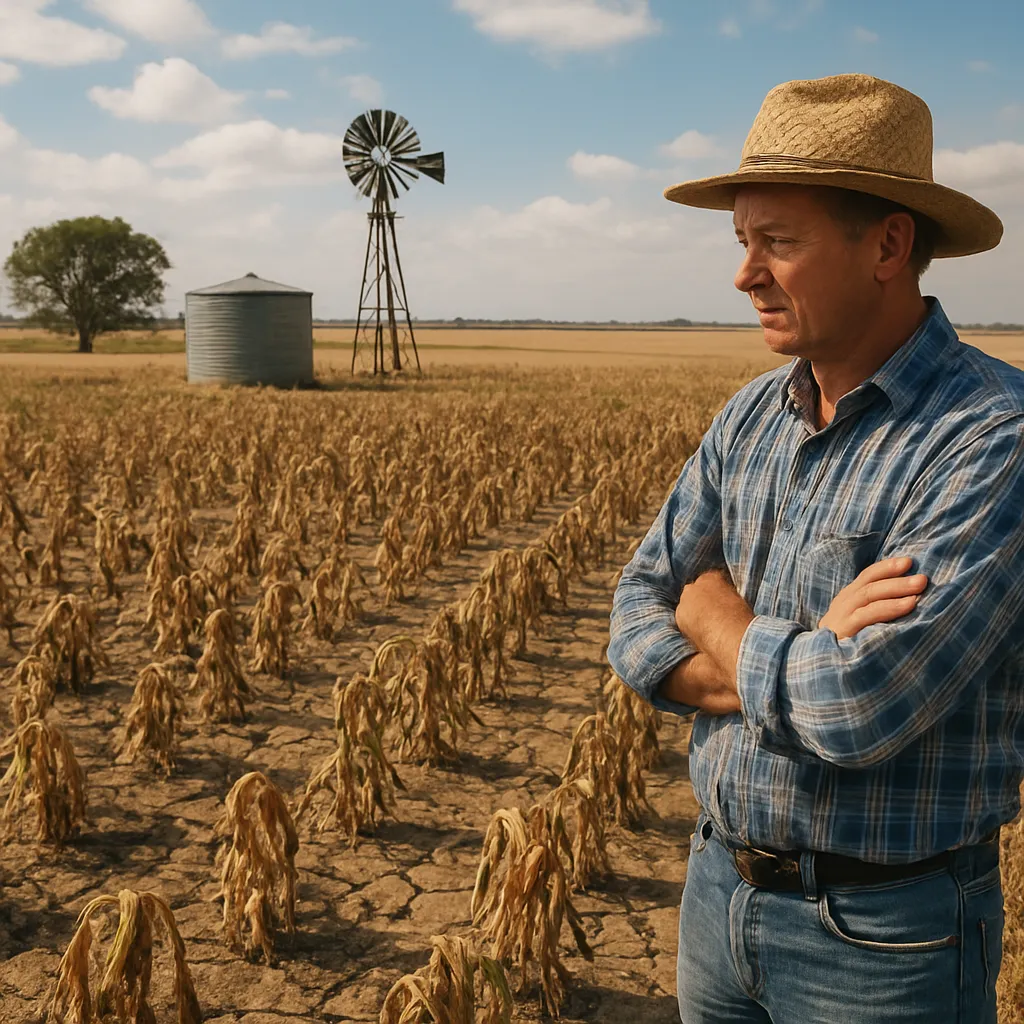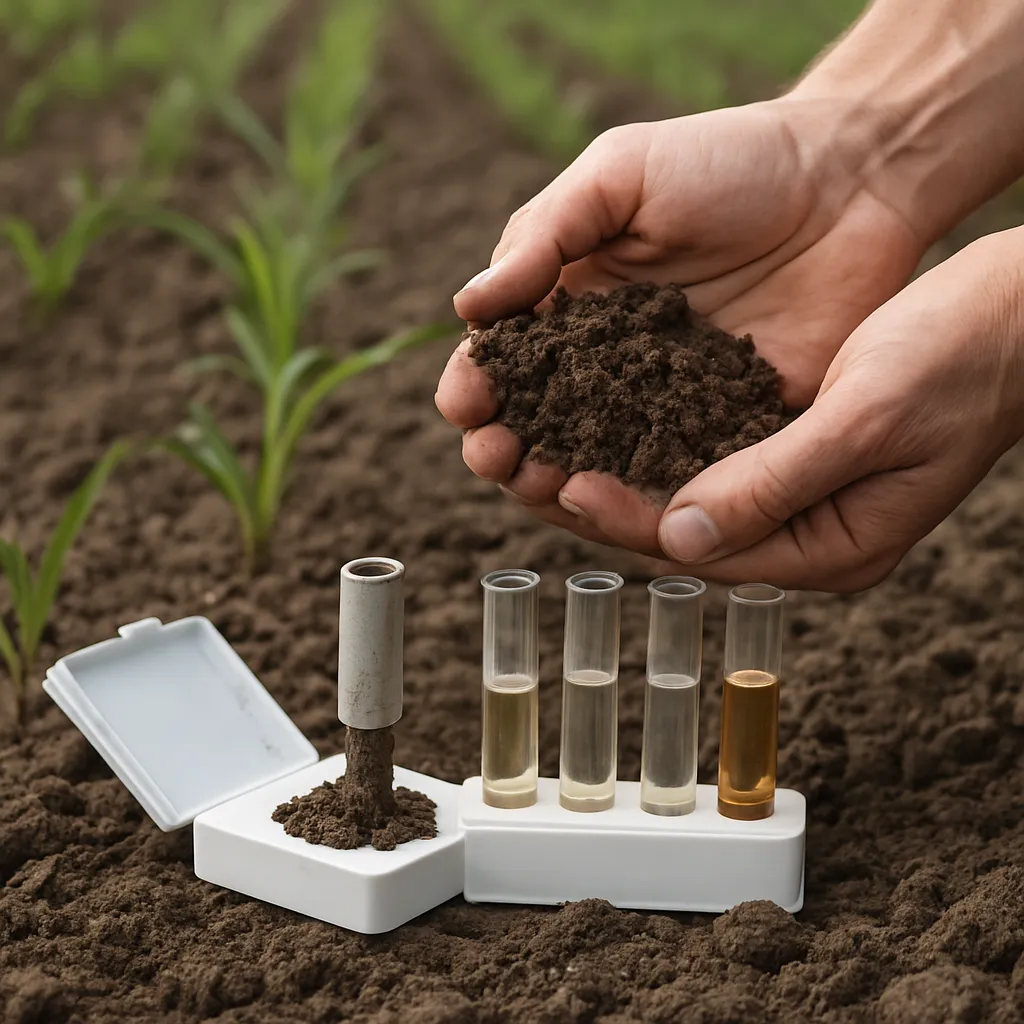
Ensuring optimal crop production and maintaining soil health requires more than just intuition and tradition. Farmers and agronomists worldwide rely on scientific methods to make informed decisions. Among these methods, comprehensive soil testing and analysis rank as one of the most crucial steps to maximize yields, improve resource efficiency, and promote environmental stewardship. By uncovering the hidden strengths and weaknesses within the ground beneath our feet, soil testing paves the way for precision farming and long-term sustainability.
Understanding Soil Composition
Every field presents a unique blend of minerals, organic substances, water content, and biological organisms. Recognizing the interplay among these components is essential for tailored management practices.
Key Soil Constituents
- Mineral particles – Sand, silt, and clay determine soil texture, affecting water retention and root penetration.
- Organic matter – Decomposed plant and animal material boosts nutrient availability and improves structure.
- Water – Influences nutrient solubility and microbial activity.
- Gases – Oxygen and carbon dioxide levels impact root respiration and biological processes.
- Living organisms – Bacteria, fungi, and earthworms drive nutrient cycling and soil aeration.
Understanding the relative proportions of these constituents helps diagnose issues like compaction, poor drainage, or nutrient depletion. For instance, heavy clay soils may require different management strategies than sandy loams to maintain adequate crop yield.
The Process of Soil Testing
Conducting a reliable test involves systematic sampling, laboratory assays, and expert interpretation. A typical workflow includes:
- Field sampling – Collect representative cores from multiple grid points across a field.
- Sample preparation – Air-dry and sieve the collected soil to a uniform consistency.
- Chemical analysis – Measure essential macro-nutrients (nitrogen, phosphorus, potassium) and micro-nutrients (iron, manganese, zinc, copper).
- Physical analysis – Determine texture, bulk density, and infiltration rates.
- Biological tests – Evaluate microbial biomass, respiration, and enzyme activities.
Sampling Best Practices
Accurate results begin with precise sampling. Factors to consider include:
- Sampling depth – Typically 0–15 cm for row crops, deeper for perennials.
- Timing – Samples taken at consistent times of year avoid seasonal variability.
- Sample size – At least 10–15 sub-samples per management zone ensure representativeness.
- Crop history – Record previous rotations, fertilizer applications, and amendments.
By adhering to these guidelines, farmers reduce the risk of misinterpretation and ensure that nutrient management plans are based on solid data.
Interpreting Results and Applying Amendments
Once lab data are in hand, the next step is translating numbers into actionable strategies. Soil test reports typically include pH, nutrient levels, and recommendations for fertilizer rates or lime applications.
Adjusting Soil pH
Soil pH affects nutrient solubility and microbial activity:
- Acidic soils (pH < 6.0) may require lime to raise pH and enhance nutrient uptake.
- Alkaline soils (pH > 7.5) might benefit from elemental sulfur to lower pH gradually.
Proper pH adjustment can significantly boost the availability of micronutrients like iron and manganese, preventing deficiencies that stunt growth.
Optimizing Fertilizer Application
Armed with nutrient data, farmers can:
- Match fertilizer blends to crop needs, avoiding over-application and reducing costs.
- Adopt split applications or variable-rate technology to deliver nutrients only where needed.
- Combine organic amendments, such as compost or manure, with synthetic fertilizers for balanced nutrition.
These strategies not only improve fertilizer efficiency but also mitigate environmental risks like nutrient runoff and groundwater contamination.
Advanced Techniques and Future Trends
Modern agriculture is evolving rapidly, integrating cutting-edge tools to enhance the precision of soil analysis.
Precision Agriculture and Remote Sensing
Satellite imagery, drones, and sensors provide real-time insights into field variability:
- Electrical conductivity mapping reveals zones of differing texture and moisture.
- Multispectral imaging detects stress patterns and nutrient deficiencies before symptoms appear.
- Automated soil probes measure moisture and nutrient levels in situ, enabling dynamic adjustments.
By combining these data with traditional soil tests, farmers can tailor interventions to micro-zones, maximizing productivity and sustainability.
Digital Soil Mapping and Predictive Models
Machine learning algorithms use historical soil data, weather patterns, and cropping records to predict future soil behavior. These models guide long-term planning by forecasting:
- Changes in organic matter content under different cropping systems.
- Potential pH shifts based on acidifying fertilizers or liming practices.
- Risk of nutrient leaching in high-rainfall regions.
Such predictive capacity empowers growers to adopt proactive measures, safeguarding soil health for future generations.
Sustainable Farming and Circular Nutrient Flows
Emerging trends emphasize reuse and recycling:
- On-farm composting of crop residues and livestock manure closes nutrient loops.
- Biochar amendments increase carbon sequestration and improve soil structure.
- Cover cropping and intercropping enhance biological nitrogen fixation and reduce dependence on synthetic inputs.
These practices align with global goals for sustainable farming and reduced environmental impact, setting a new standard for responsible land stewardship.