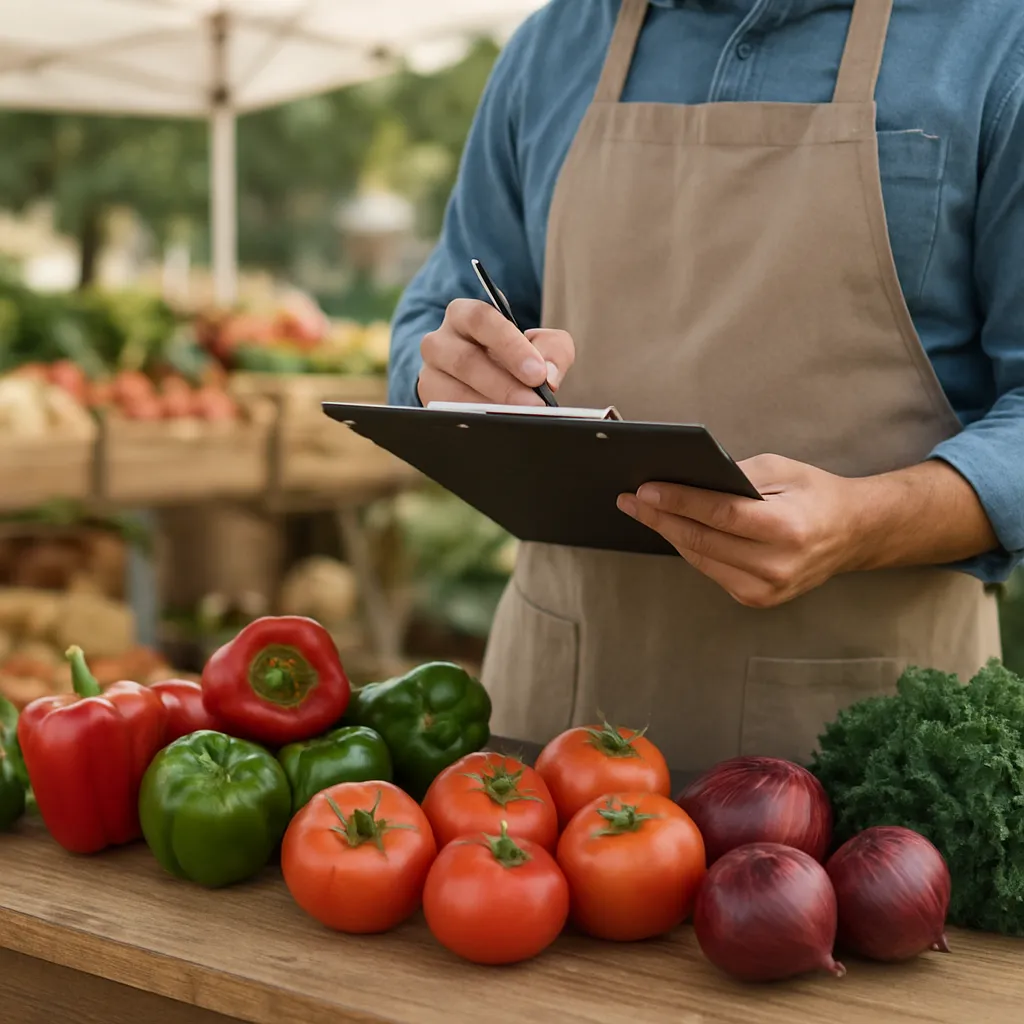
Entering the restaurant market presents a lucrative opportunity for farmers looking to expand their customer base beyond farmers’ markets and grocery stores. By forging direct connections with chefs and restaurateurs, producers can secure premium prices, reduce waste, and enhance their farm’s reputation in the local community. This guide offers actionable tips on how to successfully sell fresh fruits and vegetables to restaurants, ensuring both parties benefit from a streamlined farm-to-table supply chain.
Building Strong Relationships with Chefs and Buyers
Successful partnerships with restaurants rest on mutual trust and clear communication. Chefs need reliable suppliers who consistently deliver high-quality ingredients, while farmers seek predictable orders and timely payments. Follow these strategies to cultivate lasting professional bonds:
- Attend local food events and network with culinary professionals in your region.
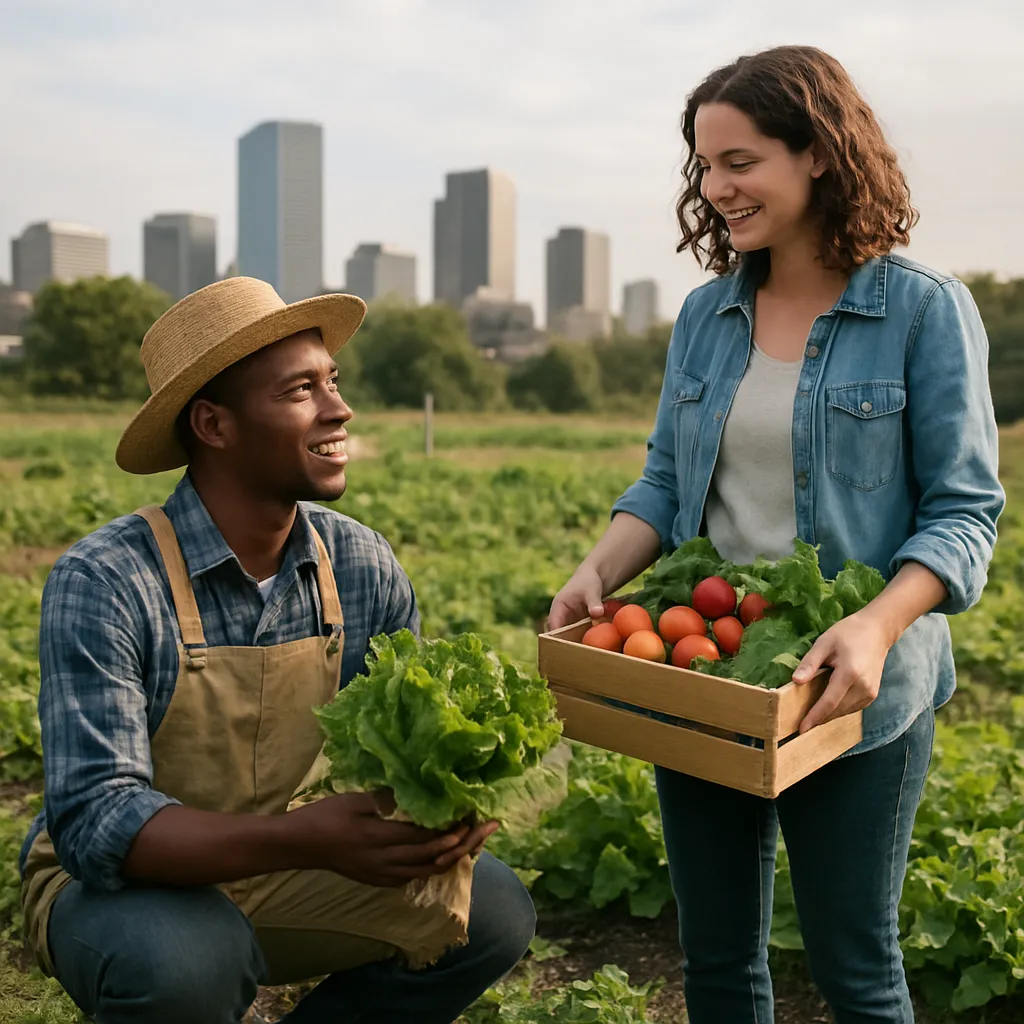
- Invite chefs to your farm for a tour, showcasing your sustainable practices and the care you take in production.
- Provide samples of your best produce so chefs can experience flavor, texture, and freshness first-hand.
- Maintain an open line of communication through email or messaging apps for quick updates on availability.
- Offer flexible ordering options—weekly, biweekly, or custom arrangements—to match a restaurant’s ordering cycle.
Building rapport also involves understanding each chef’s unique style and menu needs. Keep notes on their preferred varieties, special requests, and any feedback they provide. This level of personalization fosters loyalty and positions you as a trusted partner rather than just another supplier.
Ensuring Quality and Consistency of Your Produce
Restaurants depend on consistent quality to maintain menu standards. Even small variations in size, ripeness, or appearance can affect plating and customer satisfaction. Here is how to uphold top-tier quality:
- Implement rigorous grading protocols, sorting fruits and vegetables by size, color, and firmness.
- Harvest at optimal times—early morning often yields the highest freshness and firmness, reducing the risk of spoilage during transport.
- Use cold storage or hydrocooling for temperature-sensitive crops to preserve flavor and nutritional value.
- Regularly inspect fields for pests and diseases, applying integrated pest management methods to avoid chemical residues.
- Document each harvest batch with date, field location, and weather conditions to trace any quality issues back to their source.
Consistent delivery schedules and quality standards inspire confidence. Chefs will know they can count on you for the same exceptional produce week after week, strengthening your reputation for reliability.
Efficient Logistics and Distribution Strategies
Managing logistics effectively ensures produce arrives at restaurants in pristine condition. Even the highest-quality crops can lose value if mishandled during transit. Adopt these best practices for streamlined distribution:
- Invest in refrigerated vehicles or insulated crates lined with cooling packs to maintain the ideal temperature.
- Map delivery routes in advance to minimize travel time and fuel costs, grouping nearby accounts together.
- Schedule deliveries during off-peak traffic hours to avoid delays and early- or late-day traffic jams.
- Use easy-to-clean, stackable containers that allow proper airflow around each item.
- Include clear labels on every box indicating the product name, harvest date, and destination kitchen to reduce handling errors.
Effective logistics also means having backup plans. Keep a small reserve of popular items on hand for last-minute orders or substitutions. If you collaborate with nearby farms, consider a shared delivery network to broaden offerings and split transportation costs.
Marketing, Pricing, and Negotiation Techniques
Competitive pricing that reflects production costs while satisfying restaurant budgets is essential. Combined with savvy marketing and negotiation, you can secure profitable contracts and repeat business:
- Calculate your true cost of production, including labor, packaging, water, and utilities, to set a fair baseline price.
- Factor in seasonal fluctuations—some crops may be priced higher when out of season at other sources.
- Offer tiered pricing for larger order volumes, rewarding restaurants with lower per-unit costs when they commit to bulk purchases.
- Develop a simple, professional price sheet that highlights key items and any specialty or heirloom varieties.
- Be transparent about minimum order requirements and payment terms to avoid confusion during invoicing.
During negotiations, listen carefully to chefs’ budget constraints and menu plans. Propose creative substitutions or mixed boxes filled with seasonal surplus, allowing chefs to manage costs while you reduce waste. Emphasize your sustainability practices and local roots—many restaurants value eco-friendly sourcing and are willing to pay a premium for ingredients that align with their brand ethos.
By focusing on relationship-building, uncompromising quality, reliable logistics, and smart pricing strategies, farmers can carve out a profitable niche supplying fresh produce to restaurants. Adopting these tips will help transform your farm into a preferred partner for chefs who demand excellence from farm to fork.