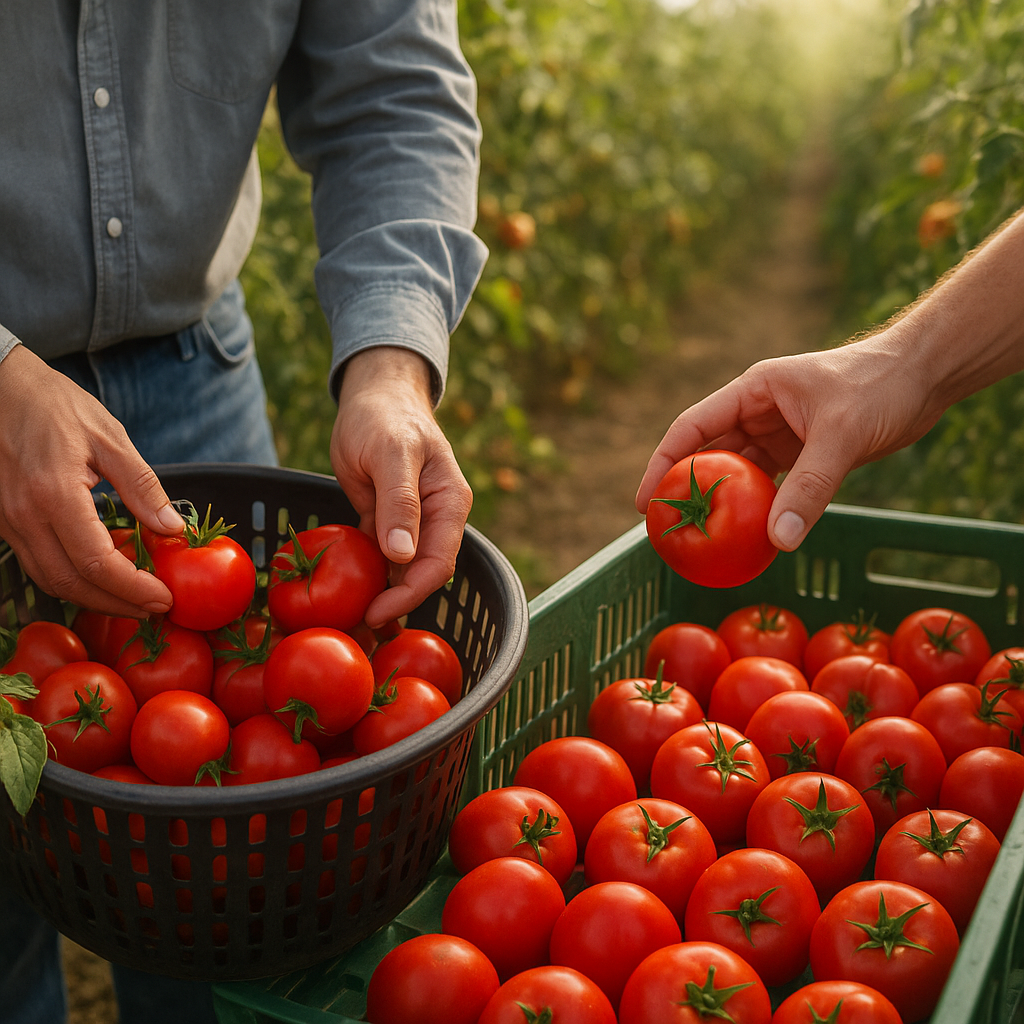
Efficient harvesting and meticulous post-harvest handling can make the difference between a profitable season and significant losses. By implementing proven field practices, employing the right tools, and maintaining strict hygiene standards throughout the cold chain, producers safeguard both product integrity and market value.
Optimal Harvest Timing and Field Practices
Harvest decisions hinge on proper assessment of crop ripeness and prevailing weather conditions. Early or delayed picking can severely impact product quality and overall yield. To maximize returns, growers should integrate field sensors, manual sampling, and expert observations to determine ideal harvest windows.
Key steps include:
- Regular field inspections at dawn or dusk to monitor sugar levels, firmness, or coloration depending on crop type.
- Use of handheld refractometers or digital moisture meters for objective efficiency in maturity assessment.
- Coordinating labor availability with weather forecasts to avoid rain events that may compromise harvest.
- Training crews to identify signs of overgrowth, pest damage, or sunscald that could reduce marketability.
Techniques for Minimizing Damage During Harvest
Harvest Tools and Equipment
Selecting the correct tools—pruners, knives, or mechanical harvesters—helps prevent bruising, tearing, or lact of aseptic conditions. Equipment must be sanitized before use to maintain stringent hygiene benchmarks. Stainless steel blades, washable baskets, and hydraulic platforms can reduce physical stress on delicate produce.
Critical maintenance includes:
- Daily inspection of cutting edges and pulley systems.
- Routine application of food-safe sanitizers to contact surfaces.
- Periodic calibration of mechanical harvesters to ensure gentle handling.
Manual vs Mechanical Harvesting
Manual harvesting offers precision for high-value specialty crops, whereas mechanical methods boost overall throughput. Manual picking yields minimal damage but requires intensive labor management. In contrast, mechanical harvesters excel in cereals, root vegetables, and orchard fruits with high-volume demands.
Consider these factors when choosing a method:
- Crop type and sensitivity to impact.
- Labor costs, availability, and training programs.
- Scale of operation and potential for automation.
- Integration with immediate post-harvest transport logistics.
Post-Harvest Cooling and Storage
Rapid removal of field heat preserves cellular integrity and halts respiration rates. The sooner produce enters a cooled environment, the less weight loss and metabolic degradation occur. Understanding the specific cooling needs—whether hydrocooling, forced-air cooling, or vacuum cooling—is essential for each commodity.
Best practices include:
- Pre-cooling fields up to 90% of desired temperature within 2 hours.
- Maintaining storage rooms at precise temperature and humidity levels.
- Continuous monitoring via data loggers to prevent deviation from set points.
- Implementing air circulation patterns to avoid cold spots or hot pockets.
Proper storage also demands pest exclusion measures and regular sanitation of racks, bins, and flooring to mitigate microbial growth.
Sorting, Grading, and Packaging for Market
Post-cooling, products undergo sorting and grading to align with buyer specifications and industry standards. Automated sorting lines use optical sensors to detect defects, size variations, and color anomalies. Manual oversight ensures subjective quality benchmarks, such as shape appeal or aroma profile, are met.
- Clear labeling and traceability codes streamline supply chain verification.
- Choosing appropriate packaging materials—ventilated crates, clamshells, or modified-atmosphere bags—extends shelf life.
- Adoption of sustainable packaging alternatives reduces environmental impact and appeals to eco-conscious markets.
- Strict adherence to weight and volume tolerances prevents buyer disputes and penalties.
Transportation and Cold Chain Management
Maintaining an unbroken cold chain from field to consumer is crucial for preserving freshness. Refrigerated transport vehicles must be pre-cooled and inspected for airtight seals. Load plans should minimize dwell times and allow quick unloading at distribution centers.
Essential actions:
- GPS-enabled tracking to monitor real-time temperature and humidity inside transport units.
- Standard operating procedures for loading and unloading to avoid thermal shock.
- Coordination with logistics partners to ensure timely delivery windows.
- Backup power solutions for refrigeration systems to guard against outages.
Traceability and Record Keeping
Implementing robust traceability systems allows rapid recall response and builds consumer trust. Digital platforms capture data on each lot’s harvest date, field origin, processing parameters, and distribution path. RFID tags, QR codes, or blockchain solutions ensure transparency and accountability.
Maintaining accurate records also supports:
- Regulatory compliance with food safety agencies.
- Performance analysis to refine crop management strategies.
- Verification of sustainability certifications or fair-trade claims.
- Dispute resolution in case of quality or contamination issues.
Continuous Improvement and Training
Investing in workforce development ensures practices evolve in line with technological advances. Regular workshops on new harvesting machinery, cold chain innovations, and quality assurance protocols foster a culture of excellence. Feedback loops from post-sale quality data can inform future harvest adjustments, driving higher returns.
Key components of a training program:
- Hands-on demonstrations of equipment cleaning and maintenance.
- Field sessions on recognizing physiological disorders or pest outbreaks.
- Data literacy training to interpret sensor readings and quality metrics.
- Cross-functional drills simulating recall or contamination scenarios.