Launching a successful farm demands more than passion for the land; it requires a structured approach that transforms ideas into a viable enterprise. A comprehensive farm business plan sets the stage for growth, secures funding, and guides daily operations. By addressing key elements such as vision, market dynamics, financial forecasts, and operational tactics, aspiring agripreneurs can chart a path toward long-term sustainability and profitability.
Conceptualizing Your Farm Vision
Every thriving farm begins with a clear and compelling vision. This foundational stage crystallizes your goals, defines your competitive edge, and aligns resources with desired outcomes. Whether you aim to produce organic vegetables, raise heritage livestock, or integrate agroforestry systems, articulating precise objectives streamlines decision-making and fosters stakeholder confidence.
Defining Core Objectives
Establish measurable targets that reflect your ambitions and values. Focus on production volume, revenue milestones, and environmental stewardship. Incorporating sustainability ensures practices that preserve soil health, conserve water, and promote biodiversity. A mission statement can encapsulate your purpose, guiding routine tasks and strategic pivots alike.
Identifying Unique Value Propositions
Survey the local and regional landscape to pinpoint unserved or underserved niches. Perhaps your area lacks a reliable supplier of heirloom tomatoes, or there’s rising demand for pasture-raised eggs. Emphasizing a distinctive feature—such as regenerative methods or a direct-to-consumer subscription model—positions your farm as a standout in the crowded agribusiness arena.
- Leverage local soil and climate conditions for specialized crops
- Incorporate value-added processing, such as artisanal cheeses or dried herbs
- Design agritourism experiences that invite community engagement
Market Analysis and Financial Foundations
Translating your vision into a profitable operation hinges on rigorous market analysis and prudent financial planning. This section bridges conceptual aspirations with hard numbers, ensuring that your farm can meet demand, cover costs, and generate sustainable returns.
Conducting Market Research
Gather primary and secondary data to assess supply chains, identify key buyers, and track pricing trends. Visit farmers’ markets, interview restaurateurs, and review industry publications to gauge demand fluctuations. Competitive intelligence reveals gaps in quality, packaging, or distribution that your farm can address.
Building Robust Financial Projections
Develop detailed income statements, balance sheets, and cash flow forecasts for at least the first three years. Incorporate startup expenses—land acquisition or lease, equipment, seeds, fencing—and ongoing operational costs like labor, utilities, and feed. Conduct a rigorous break-even analysis to determine the minimum sales volume required to cover expenses and achieve profitability.
- Estimate projected yields based on historical data and agronomic studies
- Factor in seasonal variations, price volatility, and potential crop failures
- Plan for reinvestment in soil health, machinery upgrades, and labor training
Securing Capital and Managing Cash Flow
Explore diverse financing options, including traditional bank loans, government grants, and impact investors focused on rural development. Present your business plan to lenders with emphasis on projected revenues and risk mitigation strategies. Maintain a detailed cash flow projection to anticipate funding gaps, ensuring timely payments to suppliers and payroll.
Operational Strategy and Risk Management
With financial scaffolding in place, attention turns to execution. Effective operations leverage human capital, streamline workflows, and adapt to evolving challenges. Coupled with vigilant risk management, these measures safeguard assets and sustain productivity through unpredictable conditions.
Establishing an Efficient Infrastructure
Select appropriate equipment and technology to optimize labor and resource use. Modern irrigation systems, cover-cropping machinery, and precision seeding tools can significantly boost operational efficiency. Design farm layouts that reduce travel time between fields, consolidate storage facilities, and integrate renewable energy sources like solar panels or wind turbines.
Forming the Management Team
Recruit skilled personnel for critical roles: agronomists, livestock specialists, marketing coordinators, and financial controllers. Outline clear job descriptions and reporting structures. Foster a culture of continuous learning, offering training in cutting-edge practices such as integrated pest management and precision agriculture.
- Implement performance metrics tied to yield, quality, and safety standards
- Host regular strategy sessions to align team members and address concerns
- Encourage collaboration between field staff and administrative personnel
Mitigating Risks and Ensuring Crop Diversification
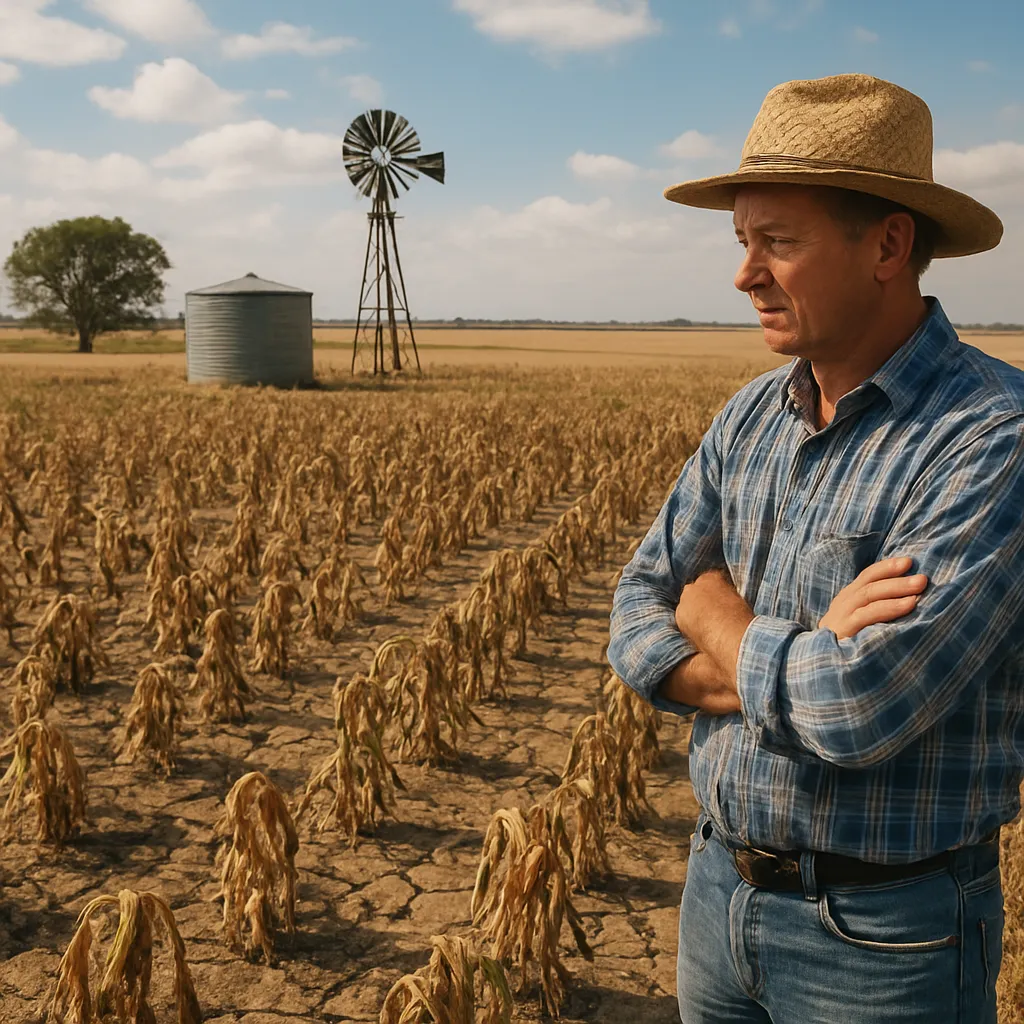
Agricultural ventures inherently face weather unpredictability, pest invasions, and market swings. Diversifying crops and livestock spreads risk and captures multiple revenue streams. Adopt insurance policies covering property damage and crop loss. Establish contingency plans for drought, flooding, and supply disruptions, ensuring business continuity under challenging circumstances.
- Rotate crops to improve soil health and reduce disease pressure
- Incorporate alternative enterprises, such as beekeeping or aquaculture
- Invest in on-farm storage to buffer against wholesale price drops
Implementation Timeline and Growth Trajectory
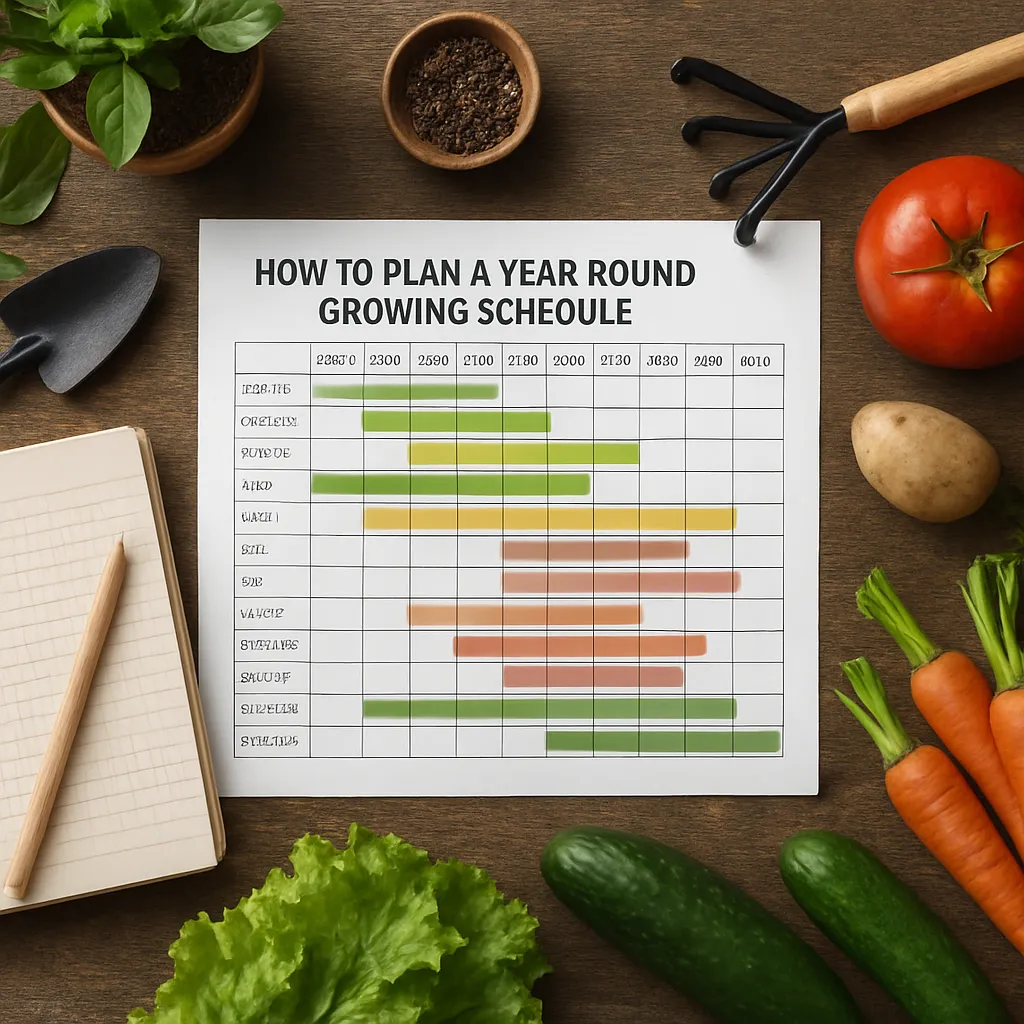
A realistic timeline sequences tasks from land preparation to first harvest, aligning milestones with funding receipt and labor availability. A phased rollout—starting with a pilot plot or a limited number of livestock—allows for adjustments before scaling operations. Track key performance indicators (KPIs) such as yield per acre, cost per unit, and customer acquisition cost to inform future expansions.
Year One Milestones
- Secure land and complete necessary zoning or environmental permits
- Install primary infrastructure: fencing, irrigation, and storage facilities
- Achieve first planting cycle and establish farmer-to-consumer sales channels
Scaling and Long-Term Vision
Post-break-even, reinvest profits into supplementary revenue streams—value-added products, agritourism events, or wholesale partnerships. Evaluate opportunities to lease adjacent plots or partner with local cooperatives. Continuously refine your plan based on real-world data, leveraging advancements in biotechnology, digital monitoring, and climate-smart practices.
By meticulously crafting each facet of the business plan—from risk management protocols to financial projections—entrepreneurs can transform a farming dream into a robust enterprise. This framework not only attracts investors and lenders but also equips operators to navigate market shifts, ecological constraints, and operational challenges with confidence.